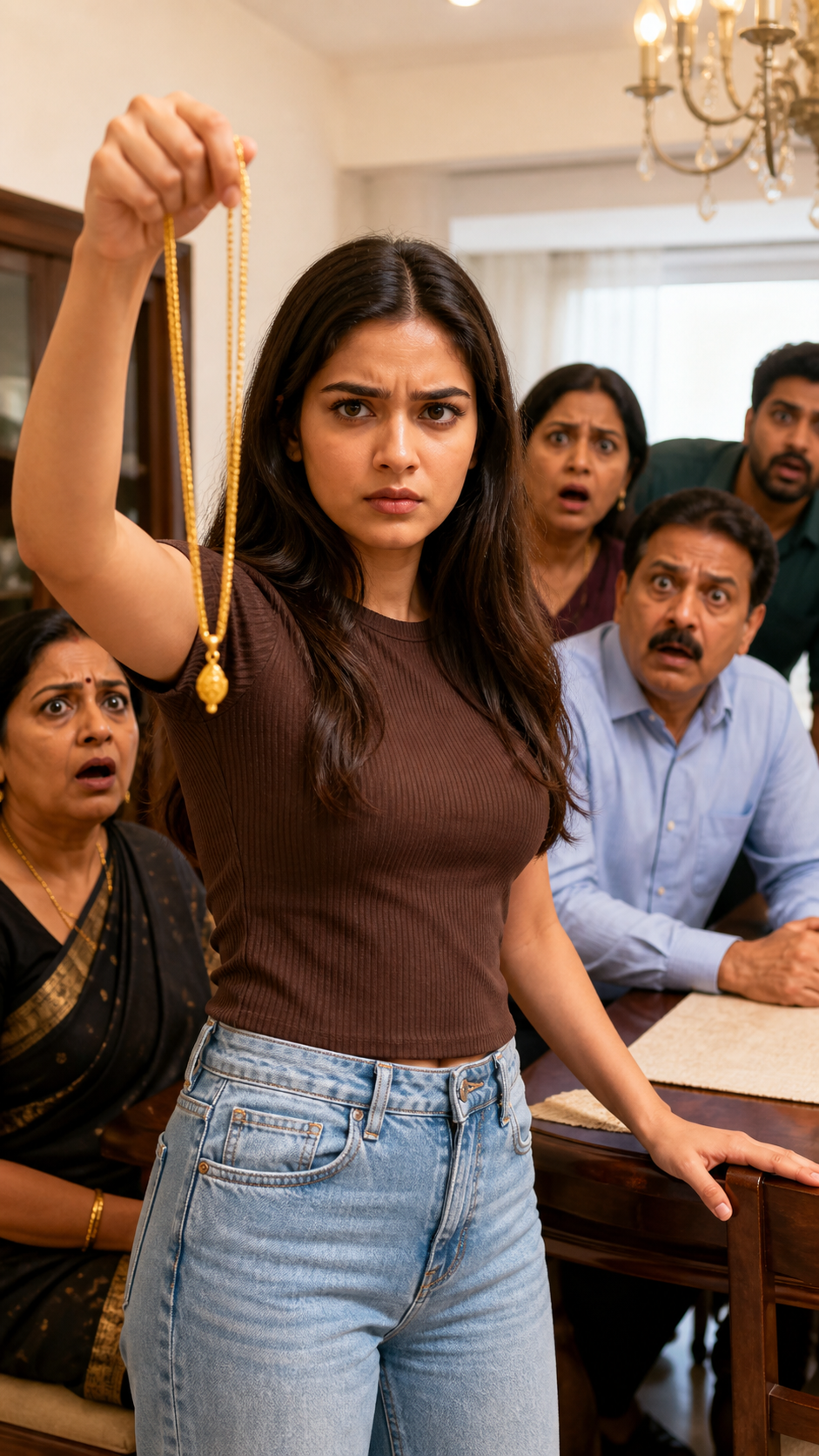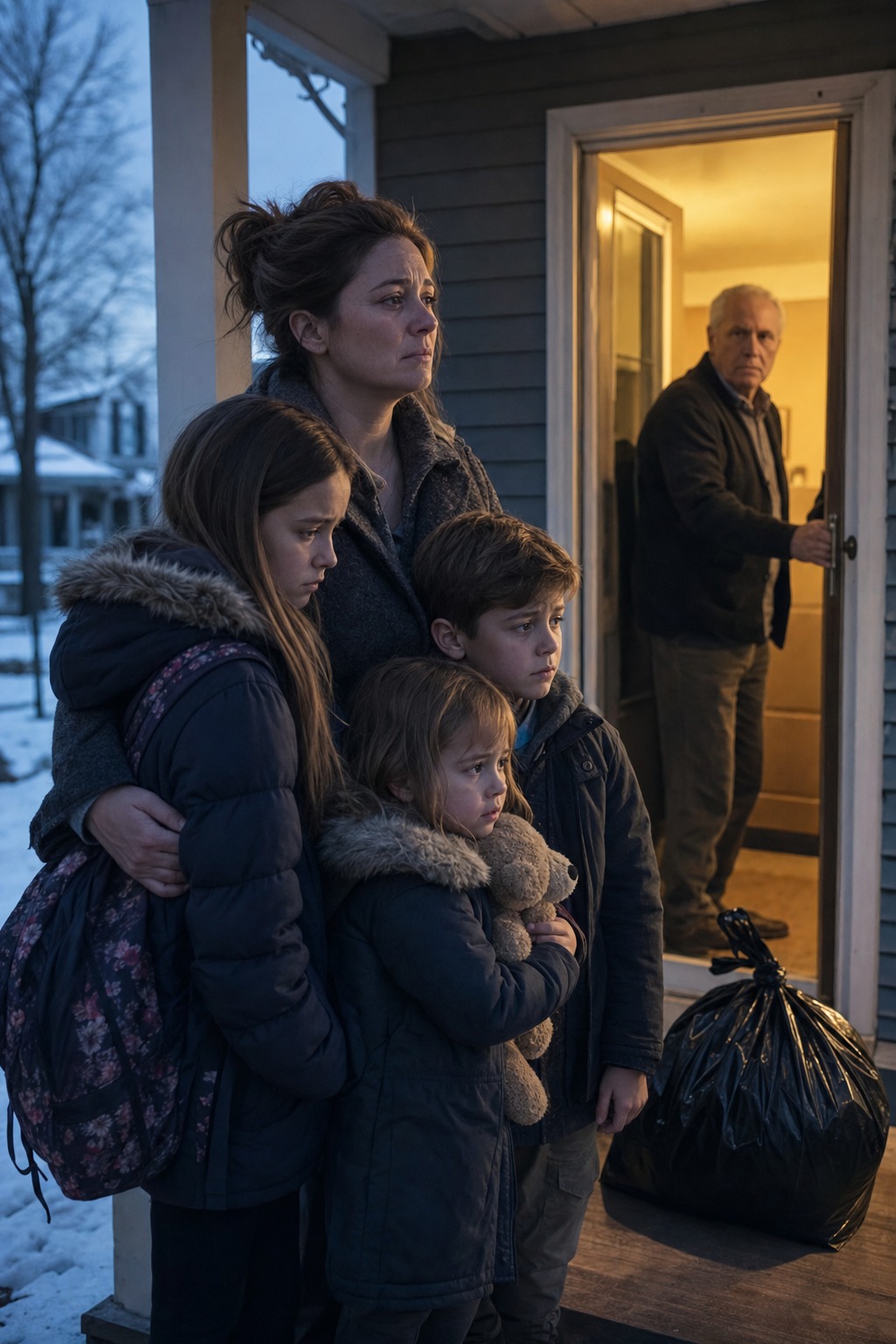
As our home filled with smoke and flames, I reached for my father, believing he would help me escape too. Instead, he chose to leave with my brother while my mother said, “We can’t lose our son.” They left me behind, never knowing I had found another way out.
He stood up so fast that his chair scraped on the floor.
My question came out harsher than I meant it to.
Aunt Diane stayed by the sink and didn’t say a word.
“Dad told me you were following us.
He said you wouldn’t listen and he tried to grab you,” Mark said.
He shook his head right away.
It wasn’t because he thought I was lying, but because he didn’t want the truth to be real.
“She said they couldn’t risk losing their son,” I said.
The kitchen got so quiet that I could hear the fridge running.
Mark slowly sat back down.
He looked at Aunt Diane, but she didn’t save him from what he had heard.
“I heard Mom say something,” he whispered.
“I couldn’t understand it.
I was coughing, and Dad had my arm.
I wanted to hate him.
It would have been easier.
Hatred was straightforward.
It had a clear target.
But Mark was just a kid, and our parents had filled his world with lies before he was old enough to question them.
The investigation went on for three months.
During that time, my parents were really good at acting sad, angry, and innocent.
Dad, whose name was Richard, was a financial adviser.
He wore shiny shoes, shook hands at church, and knew how to look respectable.
Mom, Caroline, volunteered at school events and could cry without ruining her makeup.
They told the neighbors I was traumatized and confused.
They said the smoke had messed up my memory.
They accused Detective Bennett of pressuring an injured teenage girl to blame innocent parents.
But evidence didn’t care how respectable they looked.
There was a dark hand - shaped mark on my shoulder, which was photographed before it faded.
My blood was found along the bent edge of the dog door.
Fibers from my pajama sleeve had melted into the carpet where I fell.
What Their Cruelty Cost Them
A neighbor, Mr.
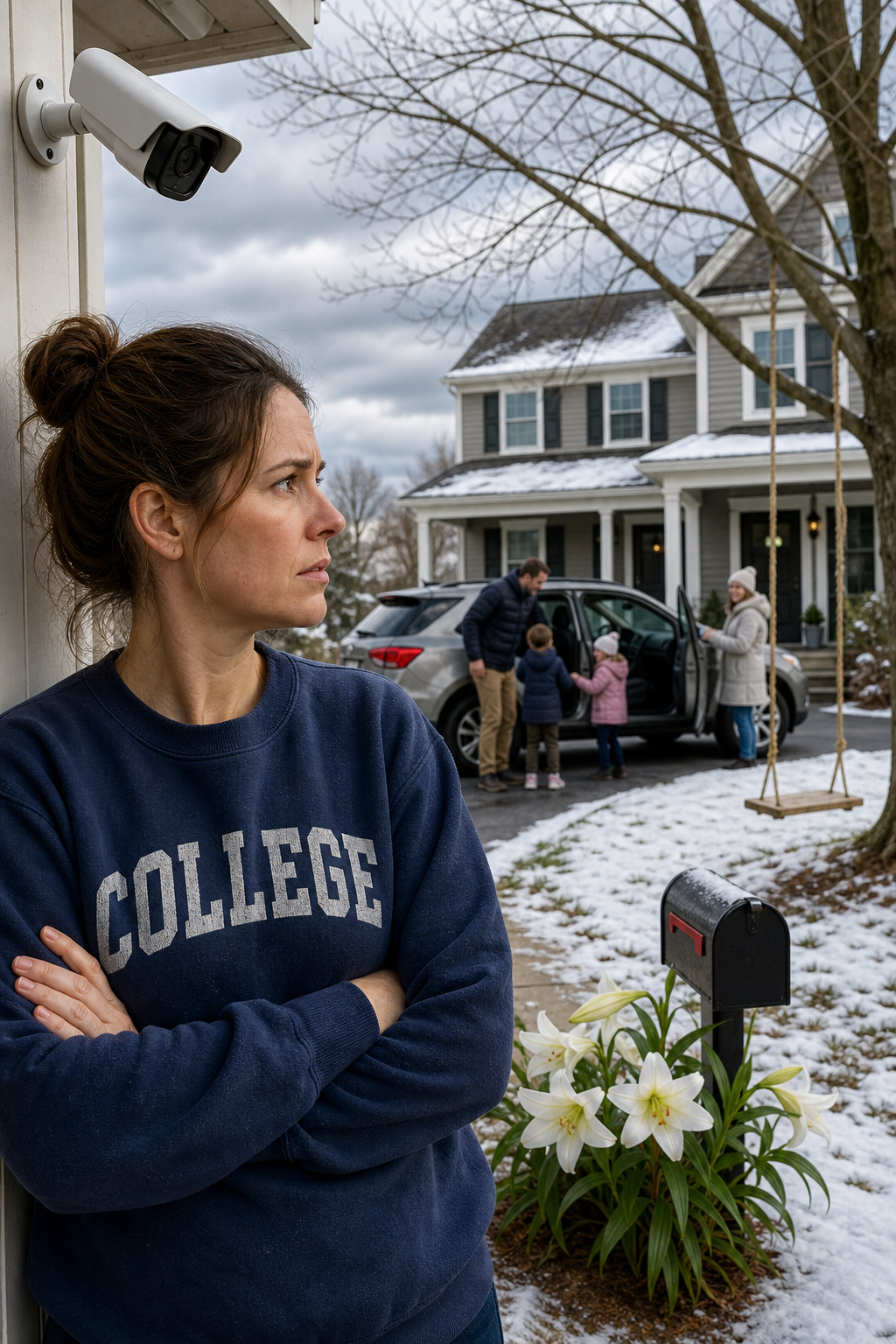
Keller, had security cameras pointed at our house.
The video showed Dad climbing out the window first.
Then he pulled Mark onto the porch roof.
The footage also showed them reaching the driveway without even looking at the backyard.
The most important evidence came from Mark.
Detective Bennett interviewed him four times.
In the first two interviews, he repeated Dad’s story.
In the third, he admitted hearing Mom say, “We can’t risk losing our son.
” In the fourth interview, he cried so hard they had to stop twice.
But finally, he told the truth.
Mark watched my face disappear into the smoke.
“I didn’t tell anyone,” he said.
“I was afraid they would leave me too.
── 974 in + 768 out = 1742 tokens ──
On a rainy afternoon, the police came and took Eleanor's parents away.
Aunt Diane was in the kitchen, making grilled - cheese sandwiches when she got the call.
She looked across the room at Eleanor.
Eleanor didn't feel the relief she thought she would.
She had pictured it as a burst of light, like taking that first big breath after almost drowning.
But instead, she was so tired she had to sit down.
Mark, Eleanor's dad, was charged with attempted manslaughter, assault, and child endangerment.
His wife faced charges of child endangerment, failure to provide aid, and conspiracy to interfere with the investigation.
The police found messages between them about getting the kids to go along with their story.
Their lawyer said they made bad choices because they were panicked.
The prosecutor's response was six words that Eleanor would never forget.
The trial started the next spring at Bridgeport Superior Court.
By then, Eleanor was seventeen.
Her burn scars were shiny and uneven.
Her voice was mostly back, though cold air still made her chest ache.
She wore a dark green sweater Aunt Diane bought her and pulled her hair back so the jury could see her face clearly.
Mark looked older, with gray in his temples.
Eleanor's mom looked the same, which somehow was worse.
When Eleanor got in the witness box, Mark stared at her with tears in his eyes.
“Eleanor, you'd just woken up.
The hallway was full of smoke.
Maybe you misread what I was doing.
Could I have been pushing you from the flames instead of towards them?
” “I was scared and hurt.
I knew exactly who left me there,” Eleanor replied.
Eleanor's mom decided to testify for herself.
It was a huge mistake.
She said she loved both kids equally and would have died to save Eleanor.
She claimed she screamed Eleanor's name until the firefighters pulled her away.
Then the prosecutor played Mr.
Keller's security recording.
On the screen, Eleanor saw her parents hugging her brother in the driveway as the house burned behind them.
The prosecutor paused on her mom's face as she stared at the upstairs window.
Hayes, where in this video are you trying to save your daughter?
” Her mom was speechless.
Before the jury gave a verdict, Mark took a plea deal.
He got eight years in prison.
Eleanor's mom was convicted and got five years.
Some thought the punishment was too light, others thought it was too much.
Eleanor stopped judging justice by the number of prison years.
No sentence could bring back the girl who once believed in her parents' love.
After the trial, reporters swarmed outside the courthouse.
They shouted questions about betrayal, forgiveness, and survival.
The Calls That Came Too Late
Aunt Diane gently guided Eleanor through them, with a hand on her shoulder.
Mark's younger son had also testified.
He was thirteen now, taller and quieter, carrying guilt like a heavy burden.
For months after the fire, Eleanor hardly talked to him.
She didn't blame him like she blamed her parents.
But every time she looked at him, she saw Mark's choice and her mom's face.
She saw the window closing as they left.
One June evening, Mark's younger son knocked on Eleanor's bedroom door.
“I know saying sorry isn't enough,” he said.
Eleanor was sitting on the floor, looking through college brochures.
“Did you ever ask them why?
“Dad said it was a split - second decision.
Mom said you were always stronger than me,” he answered.
“I hate them for making me part of this,” Eleanor said.
That was as close as they got to forgiveness that year.
── 970 in + 741 out = 1711 tokens ──
There was no big, emotional hug.
No assurance that life would go back to how it used to be.
Just Eleanor and Mark, two troubled siblings, standing in the hallway.
Finally, they saw the same pain in each other.
Eleanor finished high school at Aunt Diane’s dining table.
She got into the University of Vermont.
With financial aid and a scholarship for students affected by violence, she was on her way.
It wasn’t because she wanted to turn her pain into something good.
She chose it because she knew the power of an adult asking the right question at the right time.
That question saved her, almost as much as the dog - door had.
Before heading to college, Aunt Diane took Eleanor back to where their old home had been.
The ruins were gone.
Grass was starting to cover the worst spots.
The maple tree in the front yard was charred on one side but still alive.
They stood by the damaged foundation, where weeds grew through the cracked concrete.
“I used to think this house was so huge,” Mark said.
Eleanor watched a bird land on a burned branch and then fly off.
“I’m going back to Aunt Diane’s,” she said.
From prison, her father, Mark, sent letters.
Eleanor opened the first one and tossed the rest without reading.
Her mother, Diane, wrote once.
She said she hoped that when Eleanor became a mother, she’d understand that sometimes, impossible choices had to be made.
Eleanor sent the letter back without a word.
Years later, people always asked how Eleanor survived the fire.
They expected her to talk about courage, miracles, or gut - instinct.
She survived because the people who left her behind underestimated her.
They thought being unwanted would make her fade away.
At twenty - six, Eleanor became a licensed trauma counselor in Boston.
On a shelf in her office was a framed photo of her, Aunt Diane, and Mark at her college graduation.
Mark was nineteen in the picture, smiling awkwardly with an arm around her shoulders, not holding too tight.
Aunt Diane stood beside them, as proud and down - to - earth as ever.
Eleanor still hesitated to trust those who said they loved her.
Her past said she’d been left behind.
But it also said she’d crawled out anyway.
Whenever a scared child sat across from her, trying to explain why home didn't feel safe, she believed them before the world made them doubt themselves.
Because in a burning Connecticut house, she learned the most painful truth.
Family isn't about blood.
It's about who reaches for you when everything's on fire.
── 752 in + 535 out = 1287 tokens ──