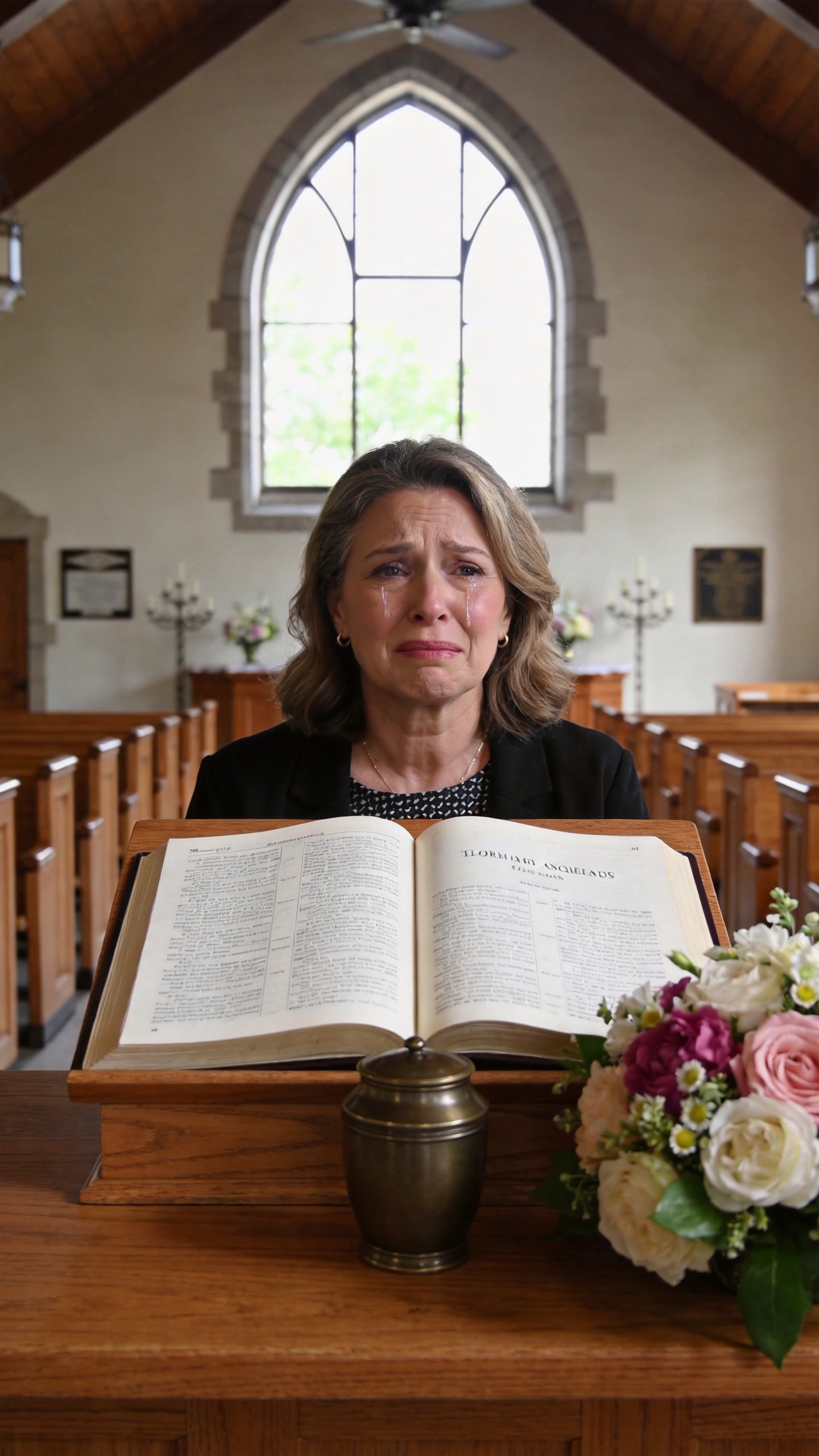
Why Some People Cover Mirrors After A Death—And What That Old Mourning Tradition Was Trying To Protect
Most importantly, it shifts focus from the surface self to the inner life. The bereaved are gently told, “This is not a season for performance. This is a season for feeling, remembering, and being held.”
Why Rituals Matter More Than People Realize
Many grieving people today feel lost because modern life offers fewer rituals. There is often pressure to handle arrangements quickly, return to work quickly, and “be strong” quickly.
Ritual interrupts that pressure. It creates a visible sign that something holy and painful has happened. Covering a mirror, lighting a candle, sitting shiva, reciting prayers, or pausing ordinary routines all communicate the same message: grief deserves room.
Without ritual, mourners can feel as if the world kept moving while their own hearts remained stunned.
Should People Still Do It Today?
Not every family will choose this custom. Some will never feel drawn to it. Others may find it unexpectedly meaningful, even if they are not especially religious.
The value does not lie only in whether a person believes the old explanations literally. The value may lie in the pause itself. Covering the mirror can become a modern act of tenderness—one small way of making a home feel less exposed while sorrow is still raw.
A Tradition About More Than Glass
In the end, this old mourning custom was never only about mirrors. It was about protection.
Protection from distraction. Protection from emotional overload. Protection for the sacredness of grief.
That is why traditions like this endure. They remind us that mourning is not merely a private feeling. It is a season that asks for gentleness, symbolism, and care.
And sometimes even a covered mirror can say what grieving people most need to hear: you do not have to face every reflection while your heart is still breaking.