I Got 100 Yellow Roses While My Husband Was "Away for Work" - The Three Hidden Marks Made Me Call the Police
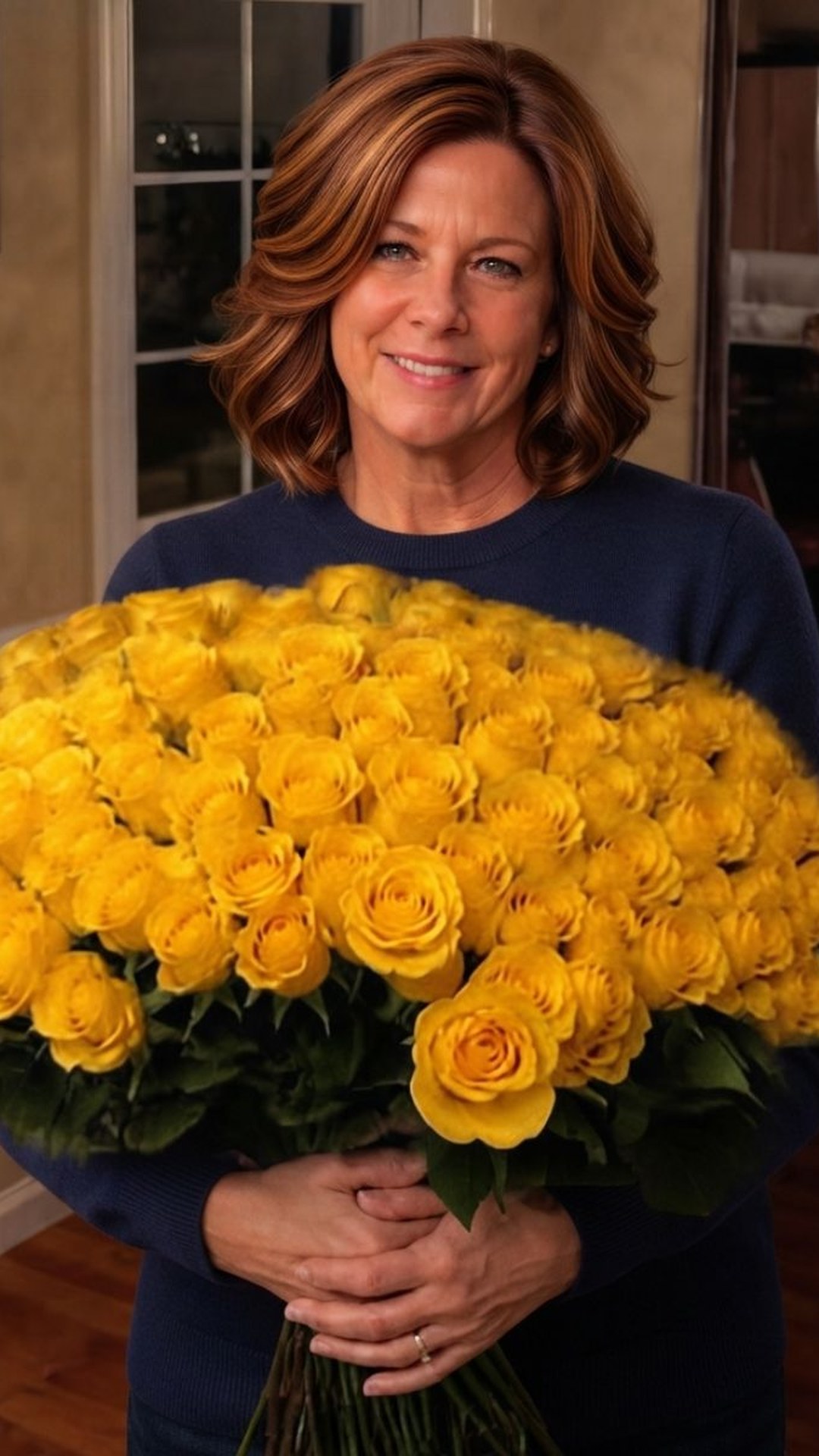
The Flowers Arrived Without a Name
The doorbell rang just after lunch, sharp enough to make me set my coffee mug down in the sink.
My husband, Daniel, was supposed to be in Chicago for a weeklong business trip. After eighteen years of marriage, I knew the routine: suitcase by the door, airport calls, short texts, and his side of the bed left too neat.
Nothing about that morning felt unusual until I opened the door.
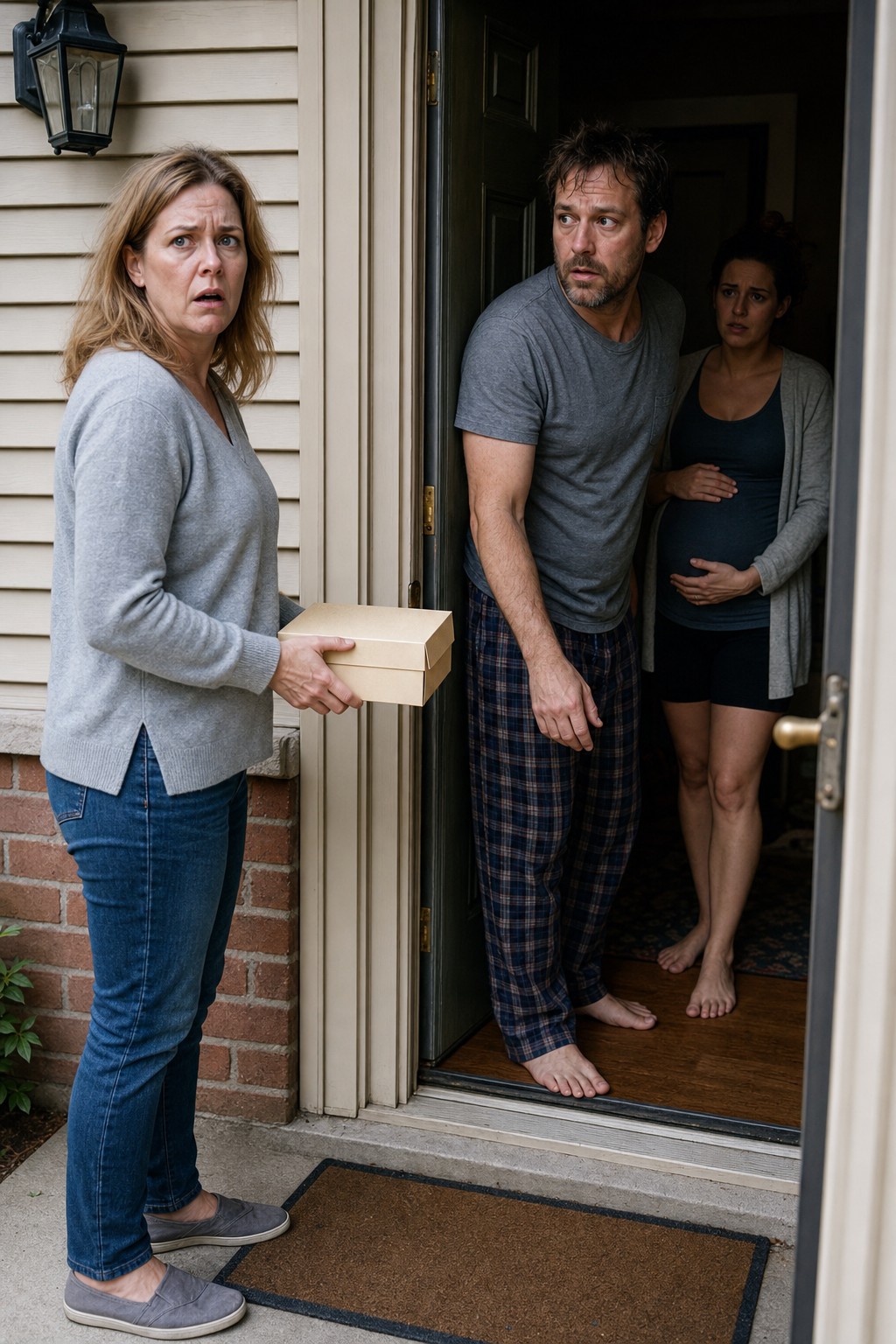
A deliveryman stood on my porch with an enormous bouquet in his arms. Yellow roses filled the doorway, bright and heavy, wrapped in paper and tied so tightly he could barely see over them.
"Amber?" he asked.
"That's me."
He handed them over with both hands. I almost laughed from the weight.
There were so many blooms that they swallowed my arms. One hundred, according to the florist tag. No card. No message. No sender. Just my name.
At first, I smiled because I wanted it to be Daniel.
He was not poetic, but he had his ways. He once sent me a necklace with no note and later said the gift should have spoken for itself. Maybe this was another quiet surprise.
I carried the roses to the dining table and set them where the afternoon light hit the petals.
For a minute, the house looked warmer.
Then my stomach tightened.
I counted them because the florist tag looked too neat to trust. Ten roses lay across the front row, then another ten behind them, the stems trimmed to the same length like someone had measured them against a ruler.
No vase had come with them. No ribbon with a florist's printed message. The delivery slip had my address and my first name, and that was all.
Daniel knew I loved white roses. I had carried them at our wedding. He bought them when my mother died. They were on our table for our fifteenth anniversary.
Yellow roses were beautiful, but they were not mine.
And Daniel was thoughtful, not extravagant. He did not send one hundred flowers for no reason while he was away on a business trip.
I called him.
It rang until voicemail.
I texted, "Did you send me flowers?"
No answer came. Five minutes passed, then ten. I called again, and the silence on the other end made the bouquet seem less like a gift and more like something placed in my house to be noticed.
I even checked the calendar, as if I had somehow forgotten an anniversary, a private joke, a date that would explain why one hundred yellow roses were breathing their sweet, heavy smell into my quiet dining room.
There was nothing.
The Number Was Not the Only Warning
I walked around the table, studying the arrangement from every side.
The roses were not simply gathered in a pretty cluster. They had been placed in neat rows, almost too carefully. Ten across, ten deep. A perfect square hidden inside a bouquet.
One hundred exactly.
Not ninety-nine. Not one hundred and one.
The number should have felt romantic. Instead, it felt final.
I leaned closer and noticed that a few flowers near the middle sat lower than the rest. Their heads tilted inward, as if someone wanted them hidden until I looked hard enough.
My fingers moved through the petals.
That was when I saw the first red mark.
It was tiny, tucked under a yellow petal. At first, I thought the rose had been bruised or stained by dye. Then I found another mark, just as small and just as deliberate.
Then a third.
Three marked roses.
My hands went cold.
The marks were not paint splashed by accident. Each one was a small red slash near the base of the bloom, hidden where a casual person would never see it. Whoever made them wanted the marks discovered only after the roses were already inside my house.
I pulled my hand back so quickly that a thorn scratched my thumb. A bead of blood rose on my skin, and for one irrational second I thought the flowers had marked me too.
The pattern dragged up a memory I had spent years trying not to touch. My father, Detective Ron, had once sat on our porch long after midnight with an untouched cup of coffee in his hands.
"Some people don't leave fingerprints," he had told me. "They leave symbols."
I had been young enough to think he was only tired from work.
Now I was standing in my dining room, staring at three red marks hidden in a hundred yellow roses, and I finally understood why his voice had sounded afraid.
I stopped calling Daniel.
I called the police.
The dispatcher asked if I was in immediate danger. I told her I did not know, but the flowers had arrived with no sender, the count was exact, and three roses had been marked in red.
Saying it aloud made it sound impossible.
Still, she told me to lock every door and wait for officers.
I did exactly that. Then I stood in the center of my house, listening for Daniel's ringtone, the front steps, anything.
Nothing came.
The house had never felt so loud. The refrigerator hummed. The clock clicked. Somewhere outside, a car slowed near the curb and then rolled on, leaving me staring through the blinds with my phone clenched in both hands.
A Detective Recognized What I Feared
Two uniformed officers arrived within the hour.
They were polite, but I could see the careful doubt on their faces. Flowers did not usually bring police to a quiet suburban dining room.
Officer Voss asked if Daniel had ever sent yellow roses before.
"Never," I said. "Always white."
The younger officer suggested a florist mistake. I wanted him to be right so badly that I nearly nodded.
Then a dark sedan pulled up outside.
The man who entered was older, with silver hair and eyes that looked permanently tired. He introduced himself as Detective Kellan.
The name caught in my chest.
"My father knew a Kellan," I said.
His face changed. "Your father was Detective Ron."
I nodded, and he turned toward the bouquet.
At first, he looked calm. Then he saw the three marked flowers.
All the color left his face.
"Secure the house," he told the officers. "Call this in."
My knees weakened because, for the first time all day, someone believed me.
He did not touch the bouquet. He asked for gloves, then for evidence bags, then for photographs from every angle. The younger officer stopped looking embarrassed and started writing down every word I said.
Kellan asked when Daniel had left, what suitcase he had taken, whether he had seemed nervous, whether anyone had called the house and hung up. Each question made my ordinary week look staged.
Detective Kellan explained that twenty-two years earlier, three women had disappeared. Each one had received exactly one hundred yellow roses before she vanished.
Each bouquet had three roses marked in red.
My father had worked the case. He believed the number meant a completed cycle, a final goodbye. He never solved it before he died.
The room seemed to tilt around me.
Then Kellan called Daniel's company.
I watched his face harden while he listened. When he hung up, he did not look at the roses. He looked at me.
"Amber," he said gently, "Daniel was never on a business trip."