Grandma Opened Her Six-Year-Old Granddaughter's Coffin and Heard, "Don't Let Dad Take Me Back"
Rosalind read the line three times. Adults who could say no.
She had said no in the living room, but Mara had started saying it years earlier.
Priscilla's part was smaller than Gavin's and still unforgivable. She had not invented the plan, but she had smoothed its edges. She told neighbors Savannah was sick. She cancelled a playdate. She washed the cup. She helped pin the burial dress.
She stood on the stairs and hoped fear would make her innocent.
In her statement, Priscilla kept saying Gavin promised Savannah would wake after the paperwork was done.
He told her they would take the child somewhere far away, maybe an institution, maybe a private facility, and claim she had died before anyone could compare records. Then, when the money came, everything would be different.
Detectives did not believe that version completely. Neither did Rosalind. The search about sealed coffins made it impossible.
Still, the lie revealed something important. Even Priscilla needed a story in which Savannah survived somewhere out of sight. Gavin needed only silence.
That silence had almost worked because the plan borrowed the manners of grief. People do not open coffins without permission. People do not accuse fathers beside funeral flowers. People accept documents with signatures because disbelief feels cruel in a mourning room.
Gavin had counted on decency becoming a curtain.
Rosalind had almost let it.
The thought followed her into the hospital chapel, where she sat alone while Savannah slept. She did not pray for revenge. She prayed for the strength to become the kind of witness a child could build a life around.
Not dramatic. Not perfect. Present.
That morning also forced Maplewood to examine how easily Gavin had borrowed the appearance of respectability.
He had called the funeral home from his office, not from a hospital. He had used a steady voice and a businesslike tone. He had known which phrases made people stop asking questions: private grief, family wishes, religious urgency, fragile grandmother.
The funeral director later admitted he had been uncomfortable with the speed, but discomfort is not the same as refusal. Gavin had arrived with printed forms, cash, and a story polished smooth enough to slide past doubt.
Rosalind kept returning to that point because it frightened her almost as much as the coffin.
Savannah had been nearly erased by procedures that sounded compassionate. Privacy. Speed. Closure. Respect for the family.
Each word had been turned into a lock.
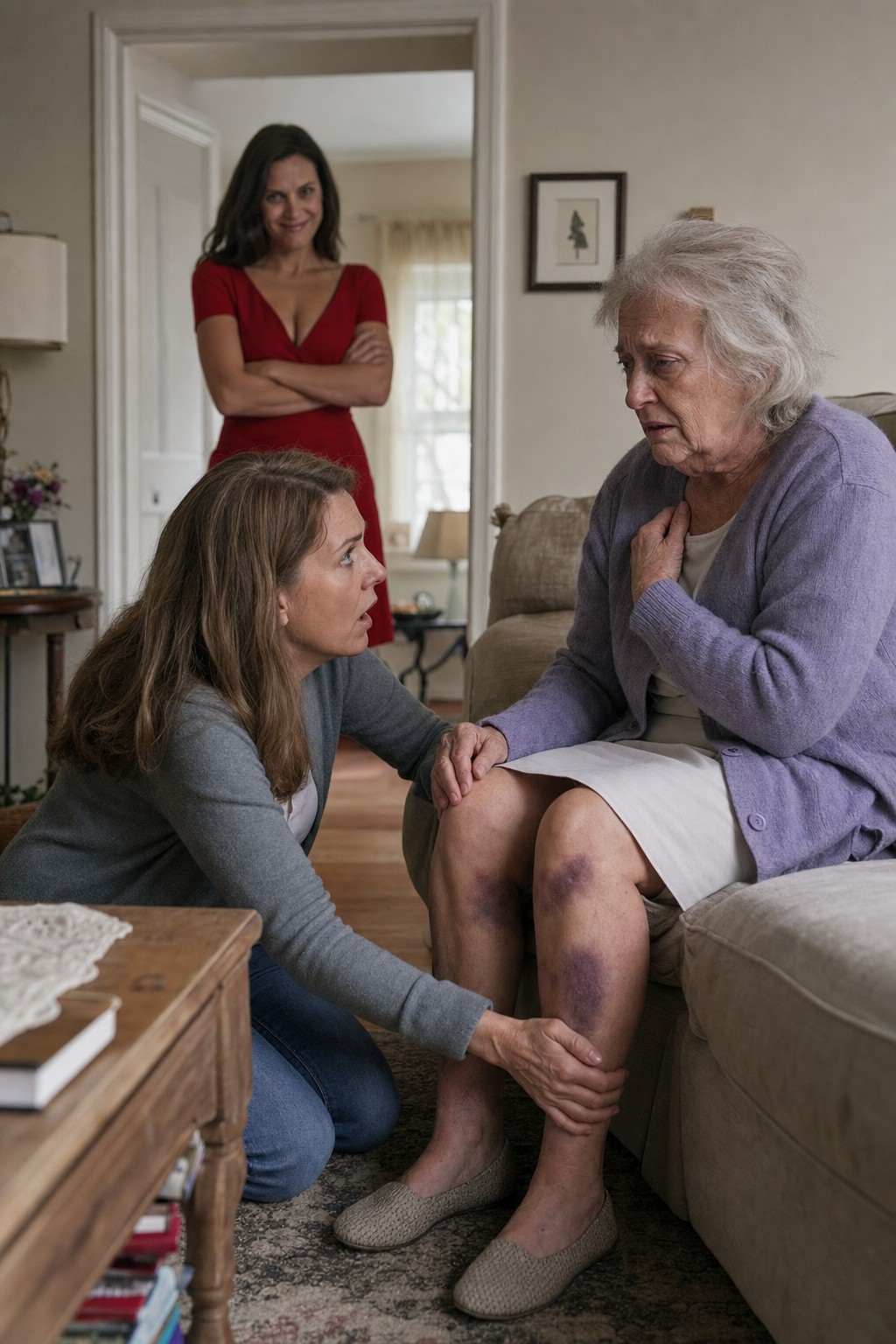
At the hospital, detectives asked Rosalind whether Gavin had ever tried to isolate Savannah from her. Rosalind remembered the small cancellations first. Savannah had a stomachache. Savannah was overtired. Savannah had been naughty and needed structure.
Gavin said Mara had spoiled her and that Rosalind made it worse by giving in.
Then came the bigger changes.
Gavin stopped letting Savannah spend weekends at Rosalind's house. He said the custody order did not require it. He changed pickup times without warning. He answered Savannah's school phone when Rosalind called during lunch.
He told teachers Rosalind was loving but dramatic, so they should check with him before sharing information.
At the time, Rosalind argued, then backed away because she feared Gavin would cut her off completely.
Now she saw that fear had been part of the cage.
The social worker did not shame her for it. She said abusers often train entire families to bargain for scraps of access. Rosalind heard the sentence, nodded, and still felt the ache of every visit she had accepted as enough.
Savannah's school added its own evidence. Her kindergarten teacher said the child had become jumpy after winter break. She cried when adults raised their voices. She stopped drawing her father and began drawing houses with locks.
One drawing showed a little girl under a table while two large figures stood by a door. The teacher had asked about it. Savannah said it was only a game.
The teacher had saved the picture because something about it bothered her.
That picture joined the case file beside the forged certificate and the toy bear. It did not prove the coffin plot by itself, but it proved a pattern adults had almost explained away.
The prosecutor told Rosalind that juries understand patterns when each small fact is placed where it belongs. A bruise. A cancelled visit. A frightened drawing. A trust request. A forged signature. A recorded threat.
Separated, Gavin had made them look like misunderstandings.
Together, they formed a road leading straight to the white coffin in the living room.
Rosalind wondered how many times Savannah had tried to leave clues in the only language a child had. A drawing. A pause on the phone. A hug that lasted too long. A joke that was not a joke.
She could not go back and answer those clues sooner.
She could answer them now by refusing to let any adult smooth them over again. This time, every small fear would be treated as information, not inconvenience.
When detectives returned to question Savannah weeks later, they did it in a child advocacy room with soft chairs and colored pencils. Rosalind waited outside because the specialist said Savannah needed space to speak without worrying about protecting anyone.
That instruction hurt, but Rosalind accepted it.
For almost an hour, she sat in the hall with Mara's copied recording in her pocket and her hands folded around nothing.
When Savannah came out, she looked exhausted but lighter. She climbed into Rosalind's lap even though she was getting too big for it and said, "I told the lady about the milk."
Rosalind kissed the top of her head. "You did good."
Savannah corrected her in a whisper. "I did brave."
"Yes," Rosalind said. "You did brave."
That small correction became another kind of evidence, not for court but for life. Savannah was learning that goodness had never been the problem. Silence had been demanded from her. Bravery was what she had carried into the dark.
The recording in the nursery
The final piece came from a toy bear.
Savannah had kept it beside her bed because Mara had recorded a bedtime message inside it before she died. Gavin forgot the bear also stored short voice clips when its paw was pressed.
Detectives found it under a blanket in Savannah's room. The newest recording was not Mara's voice.
It was Gavin.
"Stop crying," he said on the file. "By tomorrow everyone will think you are gone. If you fight me, Grandma loses too."
Savannah could be heard sobbing. Priscilla's voice came next, shaky but clear, asking if the dose was too strong.
Gavin answered, "Strong is the point."
The room went silent after that.
When police played the recording for Rosalind, she covered her mouth and wept without making a sound. It was the sound Savannah had been trapped inside, the sound nobody heard until a grandmother refused to leave.
Gavin and Priscilla were arrested before the funeral guests arrived.
The wreaths were still on the porch when officers led them out. Neighbors who came expecting a service stood in the driveway, watching the truth break open in daylight.
The bear changed the case because it changed the room in which the adults had to listen.
Before the recording, Gavin could still try to turn every fact into confusion. Sedatives could be blamed on a bad doctor. Forged papers could be blamed on a funeral home. Bruises could be blamed on panic, restraint during illness, anything but intent.
The bear left no space for that kind of fog.
It held his voice using the language of control, not grief. It held Priscilla's fear and Savannah's sobs. It held the threat that explained why a child in a coffin had worried first about being taken back rather than about being alone in the dark.
Rosalind asked to hear the recording only once. After that, she asked detectives to tell her what they needed from her without playing it again. She did not want Gavin's words to become louder in her memory than Savannah's whisper.
But she did ask about Mara's message.
The technician copied the old bedtime recording before the bear was sealed as evidence. When he played the clean file for Rosalind, the whole hospital room seemed to soften. Mara's voice came through thin but unmistakable, young forever in the cruel way recordings can be.
Moon high, lights low, Mama loves you more than you know.
Rosalind stood in the hallway and cried then, because Mara had reached forward without knowing it. Her careful will, her recorded voice, her old toy bear, and her trust in Rosalind had all become pieces of the same rescue.
When Savannah was strong enough, a child advocate explained that the bear was helping the police. Savannah worried she had done something wrong by pressing it.
"No," the advocate said. "You did something very brave without even knowing."
Savannah looked at Rosalind for confirmation.
Rosalind nodded. "You called for your mama, and the truth answered too."
That was the first time Savannah slept for more than two hours without waking.
At the house, officers boxed the programs that had been printed for the funeral. Each one carried Savannah's name, dates, and a short sentence Gavin had chosen: Beloved daughter, taken too soon.
The prosecutor later said the line would matter to a jury. Rosalind thought it mattered for another reason. Gavin had written taken too soon while planning to take her himself.
The reversal was not only that Savannah lived. It was that every object chosen to bury her became an object that spoke.
The coffin spoke through scratches on its inside lining. The certificate spoke through its false signature. The medicine spoke through her blood. The bear spoke with Gavin's own voice.
And Rosalind, who had been expected to sit quietly in the front row and mourn, spoke too.
What Rosalind carried home
Savannah survived.
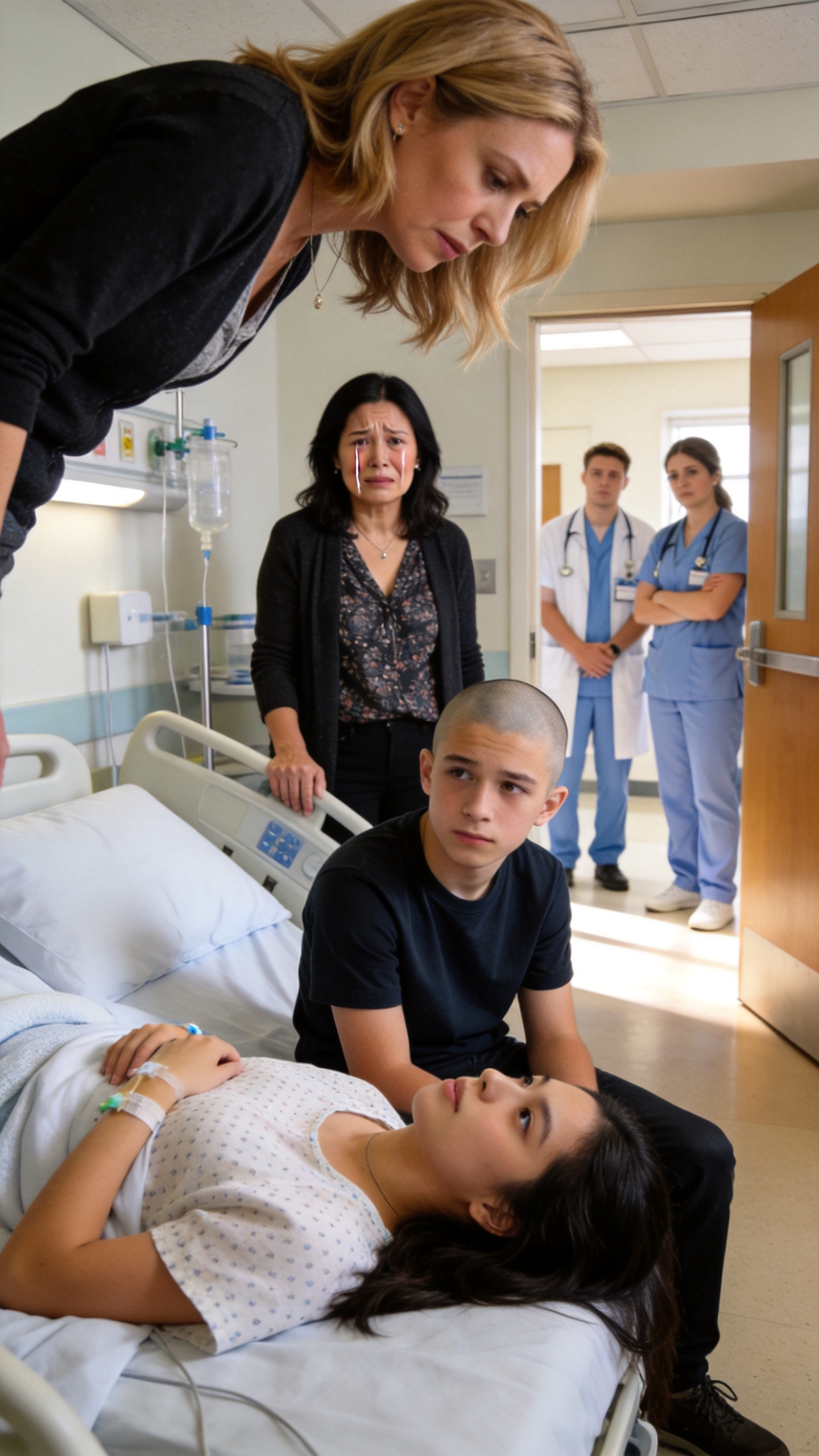
Recovery came slowly. She woke frightened, asked for water, and cried whenever a man spoke too loudly near her hospital bed. Rosalind stayed beside her through every hour, reading picture books and promising the same thing each time Savannah opened her eyes.
"You are not going back there."
The court granted Rosalind emergency custody within days. The trust was locked beyond Gavin's reach. The funeral home faced investigation, and the forged documents became part of a criminal case that no polished excuse could soften.
Weeks later, Savannah asked to see the purple ribbon she had worn before everything went dark.
Rosalind found it in the drawer where she kept the child's hair clips. Savannah tied it around the wrist that still showed a fading mark and looked at it for a long time.
"Grandma," she asked, "did you hear me right away?"
Rosalind brushed the child's hair back from her face.
"I heard enough," she said. "And I will spend the rest of my life listening."
The first weeks at Rosalind's house were built from small permissions.
Savannah could leave food unfinished. She could ask who was at the door. She could say no to a hug. She could sleep with two lights on, then one, then sometimes none until a dream sent her running down the hall.
Rosalind kept a notebook for doctors and counselors, but privately she used it to track victories no court file would record. Savannah drank milk again, one careful sip. Savannah laughed at a cartoon. Savannah asked for school worksheets.
Savannah walked past a flower shop without freezing.
The purple ribbon became part of those victories.
At first Savannah wore it because it proved there had been a before. Later she wore it because she liked the color. The change seemed small, but Rosalind understood it as a rescue of memory.
Gavin had tried to turn everything from before the coffin into evidence of his control. Savannah was taking one piece back.
On the day the court confirmed longer-term guardianship, Rosalind brought Savannah to Mara's grave. She asked the counselor first, and they prepared carefully. No lilies. No closed boxes. No speeches about angels or sleeping.
Savannah placed a drawing beside the stone. It showed the new bear, the old porch, and three people holding hands: Savannah, Grandma, and Mama with wings.
"Dad lied," Savannah said after a while.
Rosalind took a breath. "Yes."
"Mama didn't leave me with him on purpose?"
"No, baby. Your mama tried very hard to protect you. Her papers helped. Her bear helped. Her love helped."
Savannah leaned against Rosalind's coat. "You helped too."
Rosalind looked at the drawing until the colors blurred. "I am going to keep helping."
That promise was not dramatic enough for headlines, but it was the ending Savannah needed. Not revenge in a single scene. Not a perfect cure. A door that stayed open. An adult who came when called.
A life where the child's smallest fear was treated as real before it had to become proof.
The little coffin was never used.
It became evidence, then a reminder, then something Rosalind no longer needed to see. What stayed with her was not the white wood or the lilies. It was the whisper that crossed the edge of silence and the choice she made before fear could stop her.
Because sometimes a life is saved not by a miracle, but by one person who refuses to accept the version of the story everyone else is ready to bury.