I Came Home From Caring For My Father And Found My Mother-In-Law Living In My Apartment, Saying, "Your Name Is Not On Anything Anymore," Until The Signature She Forged Cost Her Everything
That was how I knew he had expected me to beg, not investigate.
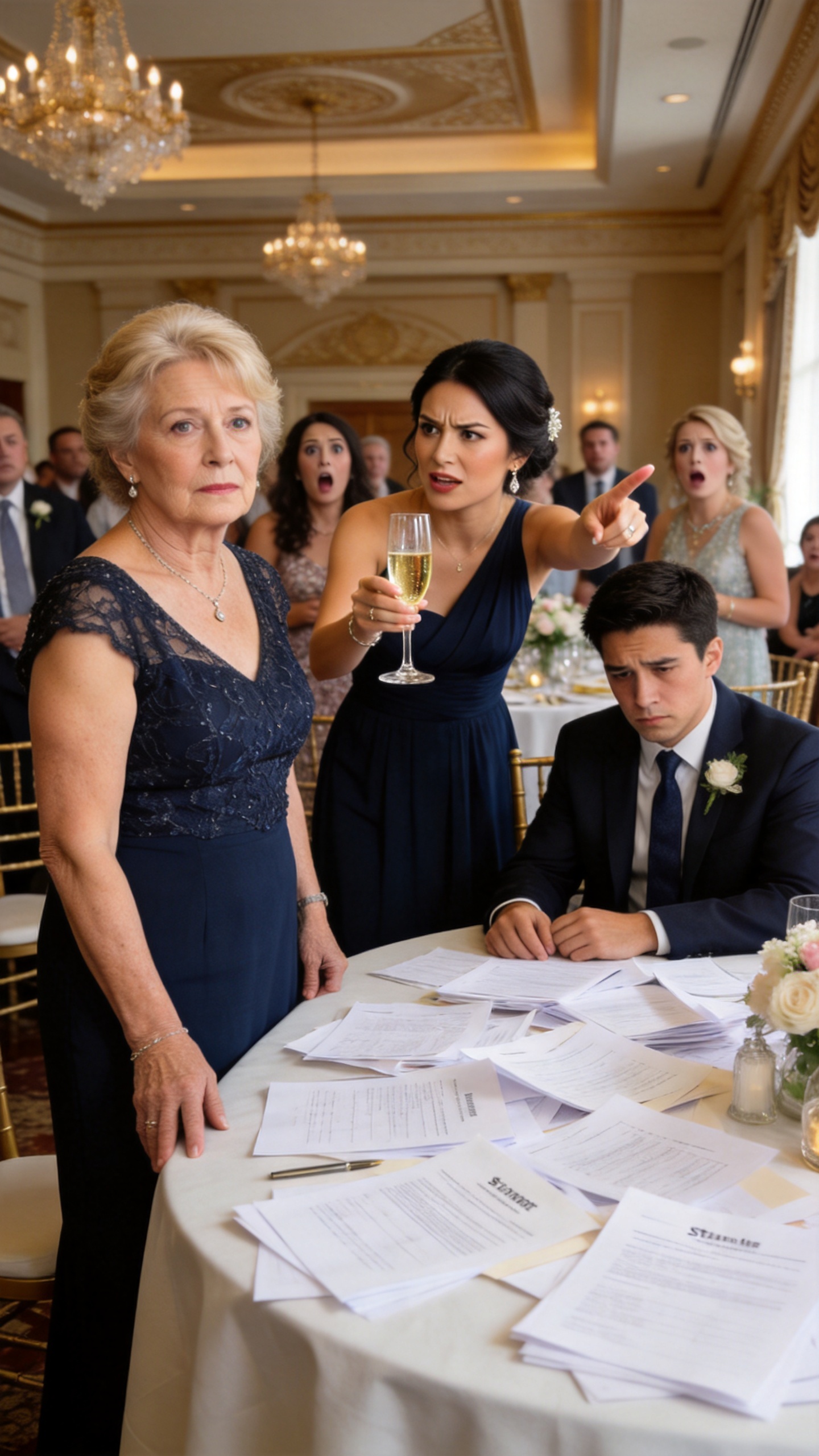
Patricia stood beside him in my living room wearing my mother's cashmere wrap.
That almost broke me.
My mother had worn that wrap through chemo. I kept it in a cedar box, not because it was expensive, but because it still smelled faintly like her perfume when the weather turned cold.
Patricia had dug it out and put it around her shoulders like a trophy.
"Take that off," I said.
Grant shut the door behind him.
"Nora, do not start."
"Take. It. Off."
Something in my voice made Patricia remove it.
Grant rubbed his face.
"This is exactly why I made arrangements. You are emotional. You disappear for weeks. Mom needed stability, and frankly, this place is too much for one person."
"This place belongs to one person."
He sighed.
"Legally, that is not so simple anymore."
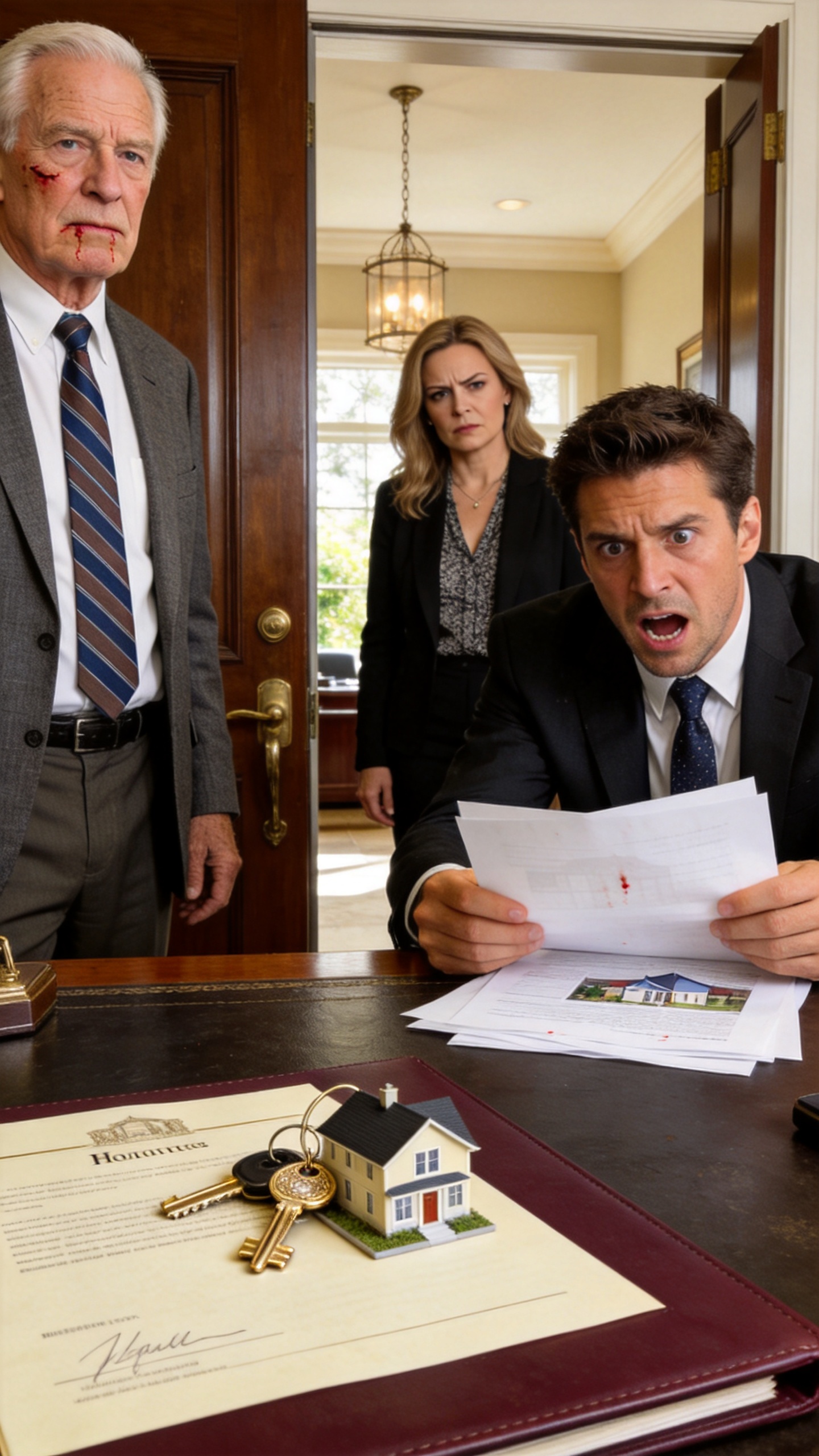
I placed the building authorization form on the coffee table.
Then the trust amendment.
Then the notary verification Simone had sent me forty minutes earlier.
Then the email from the county clerk confirming that the deed transfer had been rejected pending fraud review.
Grant stopped breathing.
Patricia looked from one paper to another.
"What is this?"
"The part you did not expect me to find."
Grant reached for the papers.
I moved them away.
"Do not touch anything with my signature on it. You have already done enough."
His face changed.
The reasonable husband vanished.
For one second, I saw the man underneath. The man who believed my grief made me easy to move around. The man who had watched me spend nights beside my father's hospital bed and decided absence was an opportunity.
"You are making this bigger than it is," he said.
"You forged my name."
"I protected our future."
"You tried to steal my home for your mother."
Patricia stepped forward.
"Grant only did what any good son would do."
I looked at her.
"A good son does not make his wife homeless with a fake notary stamp."
Grant's eyes flicked toward the bedroom.
Toward the nightstand.
Only for half a second.
But I saw it.
People look at the truth before they deny it.
"What did you take?" he asked.
Patricia frowned.
"Take from where?"
Grant ignored her.
"Nora."
I lifted my phone from the pocket of my coat and tapped the recorder off.
His face changed.
"Were you recording me?"
"In my apartment? Yes."
"That is illegal."
"Forgery is illegal," I said. "Recording my husband explaining why he stole from me is just convenient."
Someone knocked.
Grant turned.
Luis stood in the doorway with Simone beside him.
Behind Simone was the building manager holding a tablet and a police officer whose expression said he had seen domestic theft dressed as family conflict too many times.
Patricia clutched my mother's wrap tighter around herself.
I looked at Simone.
"She is wearing my mother's things."
Simone turned to Patricia.
"Remove it and place it on the chair."
Patricia gave a short laugh.
"Who do you think you are?"
"The attorney for the sole legal owner of this apartment."
The word sole changed the air.
It made Grant swallow.
It made Patricia look suddenly less comfortable in my robe.
It made me remember how keys felt the day I first bought the place.
By Morning, The Locks Belonged To The Truth
Simone arrived with a locksmith, a building manager, and two police officers at 8:05 the next morning.
Patricia was still in my robe.
Grant had slept in the guest room because I had locked the bedroom door.
He came out blinking, angry, and barefoot.
"What is this?"
Simone held up the rejected filing.
"A fraud complaint. A lock change. And notice that Mrs. Hale is the sole legal owner of this apartment."
Patricia clutched the robe closed.
"You cannot throw me out."
"I can," I said. "And I am."
The building manager looked embarrassed as he handed me a new access card.
Luis stood near the elevator pretending not to smile.
Grant tried one last time.
"Nora, please. We can fix this privately."
That was the first honest thing he had said.
He did not want forgiveness.
He wanted privacy.
Because privacy is where people like him do their best work.
I handed one officer the forged authorization form.
"I want this documented."
Grant's jaw tightened.
"You would really press charges against your husband?"
I looked around my apartment.
At the boxes where my books had been shoved.
At my mother's wrap folded safely over my arm.
At Patricia's slippers by my coffee table, waiting for a home they had never earned.
"No," I said.
Grant's shoulders relaxed.
Then I finished.
"Against the man who forged my name."
By noon, the bank appointment was canceled.
By two, the retired notary had given a written statement.
By four, the copy shop had pulled security footage.
Grant had stood at the counter wearing the gray coat I bought him for our anniversary while copying my signature from an old tax return.
That detail hurt in a stupid way.
Not because of the coat.
Because I remembered choosing it.
I remembered holding the sleeve in the store and thinking he would look handsome in winter.
Love leaves fingerprints on things people later use against you.
Patricia called from his phone that evening.
I did not answer.
Then she texted.
You are destroying this family over an apartment.
I looked around the living room.
At the mantel where my mother's photo was back in place.
At the boxes waiting to be unpacked.
At the new lock turning cleanly when I tested it.
Then I typed back:
No. I am protecting the only family member in this marriage who did not forge my name.
I blocked her.
Patricia left first.
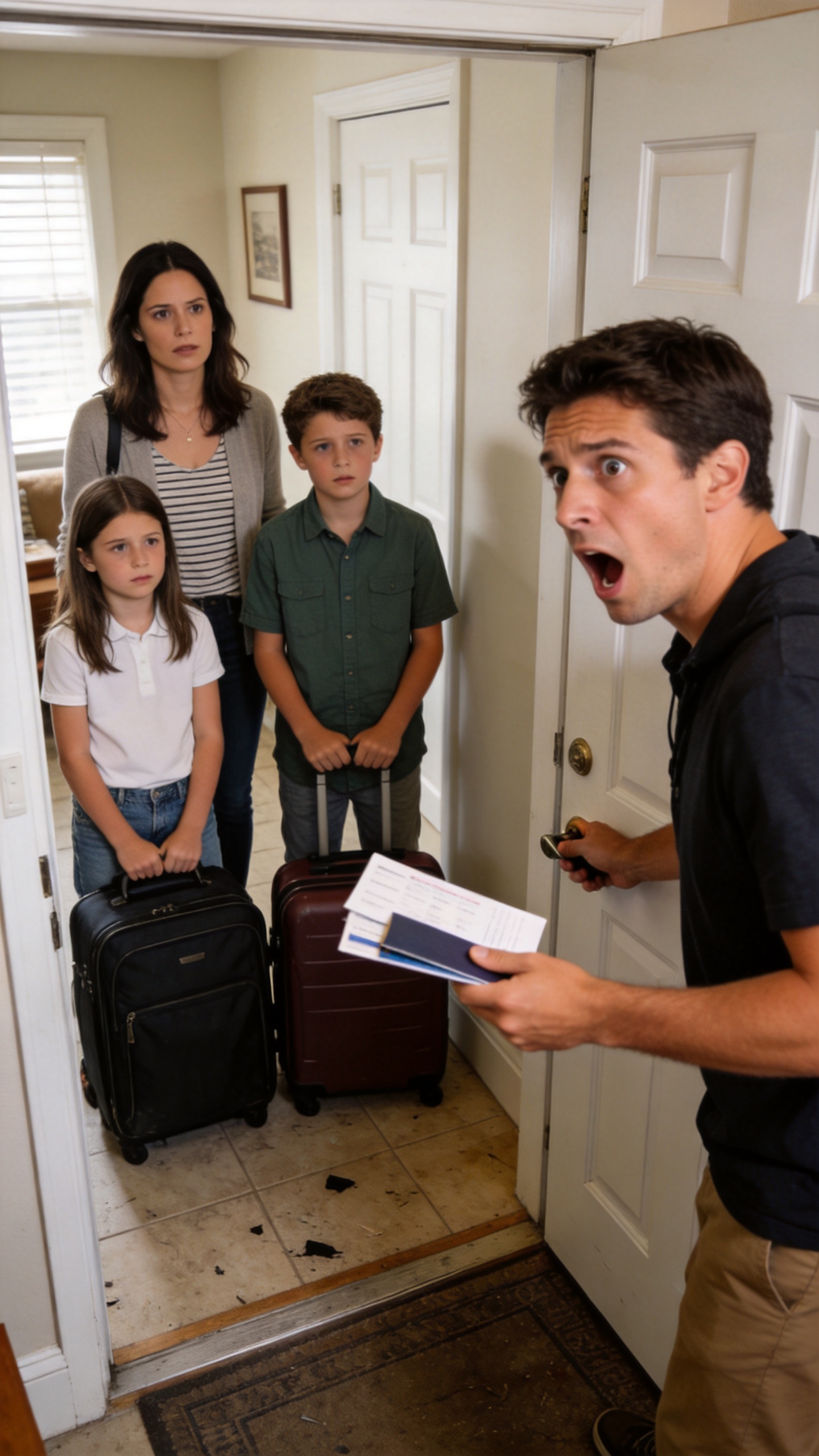
She carried two suitcases and the expression of someone deeply offended that consequences had arrived with paperwork.
Grant followed an hour later.
He paused at the door.
"I loved you."
I believed him, strangely.
He had loved me the way some people love a house they plan to renovate without permission.
He loved access.
He loved convenience.
He loved the version of me who signed without reading, paid without asking, forgave without evidence.
That woman did not live there anymore.
When the locksmith finished, he handed me the new keys.
They were ordinary silver keys, cold and simple in my palm.
But after seventeen days of hospital chairs, forged signatures, and strangers treating my grief like an open door, they felt heavier than anything Grant had tried to take.
I locked the door from the inside.
For the first time since my mother died, the apartment was quiet.
And this time, no one else's name was hiding in the silence.
Three days later, I drove back to the rehab center to see my father.
He sat in a chair with a blanket over his knees, glaring at a pudding cup like it had personally betrayed him.
"You look terrible," he said.
"Good to see you too."
He studied my face for one second too long.
"Grant?"
I sat beside him and told him everything.
Not all at once.
The story came out in pieces.
Patricia on my couch.
The missing deed folder.
The hidden drawer.
The fake notary.
The bank appointment.
My father listened without interrupting until I finished.
Then he reached for my hand with fingers still bruised from IV tape.
"Your mother wanted you to have that apartment," he said. "Not him. Not his mother. You."
I nodded because speaking would have broken me open.
He squeezed my hand.
"Then go home to it."
So I did.
That night, I made tea in my own kitchen.
I used my own mug.
I sat on my own couch.
The apartment did not feel untouched.
It never would.
But it felt mine again.
And sometimes, after betrayal, peace does not arrive like joy.
Sometimes it arrives like a locked door, a clean signature, and a room where no one can move you without permission.