The “Unretirement” Question: Should You Work Part-Time Again?

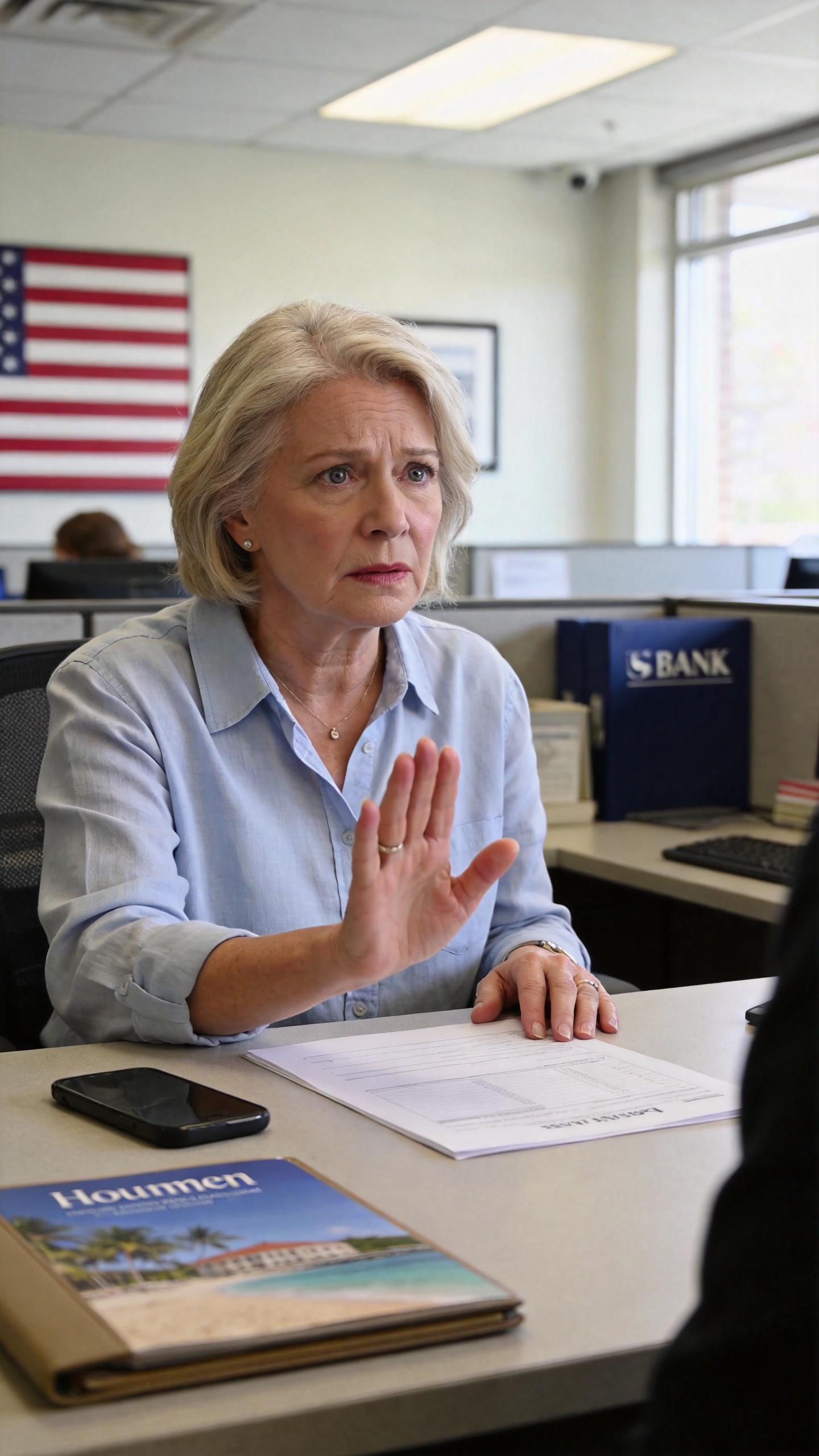
Retirement is often sold as a final state: you work, then you stop, and life moves into a more relaxed chapter. But real retirement is rarely that clean. For many older adults, the question eventually returns in a quieter form: Should I work again—at least a little?
This is sometimes called “unretirement,” but the word can be misleading. It makes it sound like retirement failed. In reality, part-time work after retirement often reflects adaptation, not defeat. People go back to work for many different reasons, and not all of them are financial.
Some need income. Some miss structure. Some want social contact. Some want to delay drawing down savings more aggressively. Others simply discover that full retirement did not feel the way they imagined. The important thing is to ask the question honestly, not defensively.
Why Retirees Go Back to Work
The reasons are usually a mix, not a single explanation. Common motivations include inflation pressure, rising healthcare costs, concern about outliving savings, boredom, loneliness, desire for routine, wanting “extra” income for travel or hobbies, helping children or grandchildren, and preserving investment accounts during weak markets.
Many retirees first say, “I’m thinking about working just for a little extra.” But often there is more underneath that statement. The work may also offer usefulness, contact, identity, or a reason to leave the house.
The Emotional Complication
Returning to work can stir pride and insecurity at the same time. Some retirees worry: “Will people think I wasn’t prepared?” “Does this mean I retired too early?” “Am I giving up the freedom I worked for?” “Will part-time work pull me back into stress?”
These are valid concerns. But retirement is not a purity test. A rigid belief that “real” retirement means never earning again can lead people to reject options that would actually improve their quality of life. The better question is not whether work fits the retirement fantasy. It is whether it fits the retirement reality.
What Good Retirement Work Usually Looks Like
The best post-retirement work usually differs from career work in important ways. It tends to offer flexibility, low physical strain, fewer hours, limited stress, predictable scheduling, some personal meaning, and manageable commuting demands.
This is why many retirees are happier with consulting, seasonal work, tutoring, caregiving support, administrative roles, museum or library work, community roles, specialty retail, faith or nonprofit work, or skill-based freelance work.
The point is not to replace the old career exactly. It is to create a role that supports the life now being lived.