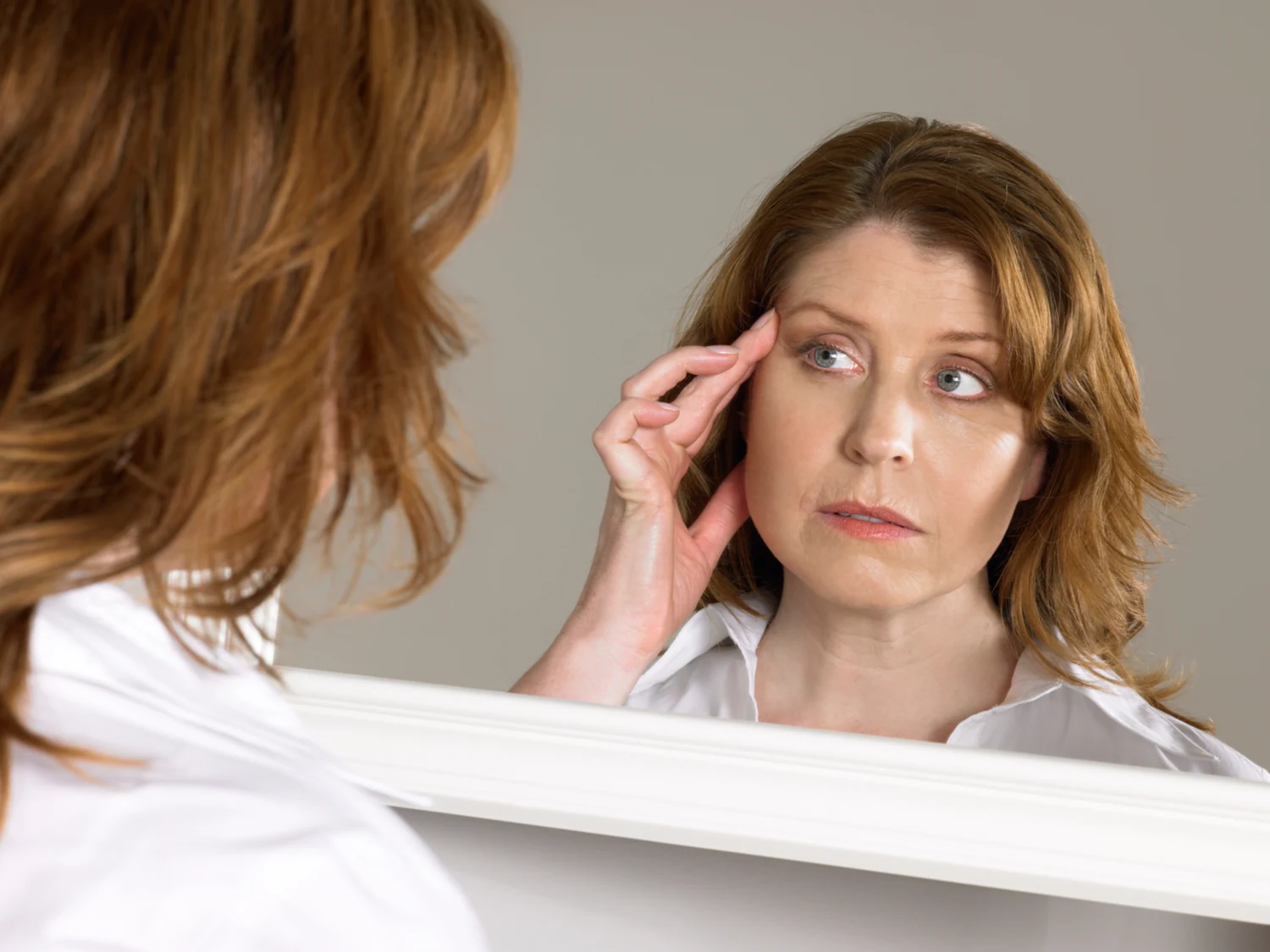
Why Do So Many Women Wake Up Between 3 and 5 A.M. As They Get Older?
This pattern is especially common in caregivers, women under financial pressure, and those going through emotional transitions like divorce, grief, or retirement anxiety.
What To Check Before Assuming It’s “Normal Aging”
Recurring night waking deserves a closer look if it is happening several times a week. It may be worth reviewing caffeine intake after noon, alcohol in the evening, medication timing, snoring or possible sleep apnea, nighttime bathroom trips, anxiety or depressive symptoms, and room temperature and bedding.
Many women normalize poor sleep for years when there may be a fixable reason underneath it.
Small Changes That Often Help
Some habits can make a real difference. A protein-rich dinner may help stabilize blood sugar. Keeping the bedroom cooler can reduce heat-related waking. Limiting alcohol may improve sleep depth, even if alcohol seems to make you drowsy at first.
A regular bedtime also helps. So does reducing screen light before bed, because light suppresses melatonin and can delay deep sleep.
For women whose minds begin racing at night, writing down worries before bed sometimes helps reduce the mental carryover that surfaces at 3 a.m.
When To Talk To A Doctor
It is time to bring it up if the waking is persistent, exhausting, or paired with snoring, breathlessness, mood changes, palpitations, or significant hot flashes. Night waking can be common, but that does not mean it should be ignored.
Better sleep is not only about comfort. It affects weight, blood sugar, blood pressure, memory, and emotional resilience.
Waking between 3 and 5 a.m. is often treated like a mystery, but in many cases the body is sending a message. For many women, once the real trigger is identified, restful nights become possible again.