At My Commissioning Ceremony, My Stepfather Raised A Gun While Blood Soaked My Uniform. The General Beside Me Said, "Drop It Now," And The Room Finally Saw Who Had Been Hunting Me

The shot did not sound like it does in movies.
It was smaller.
Sharper.
Almost insulting.
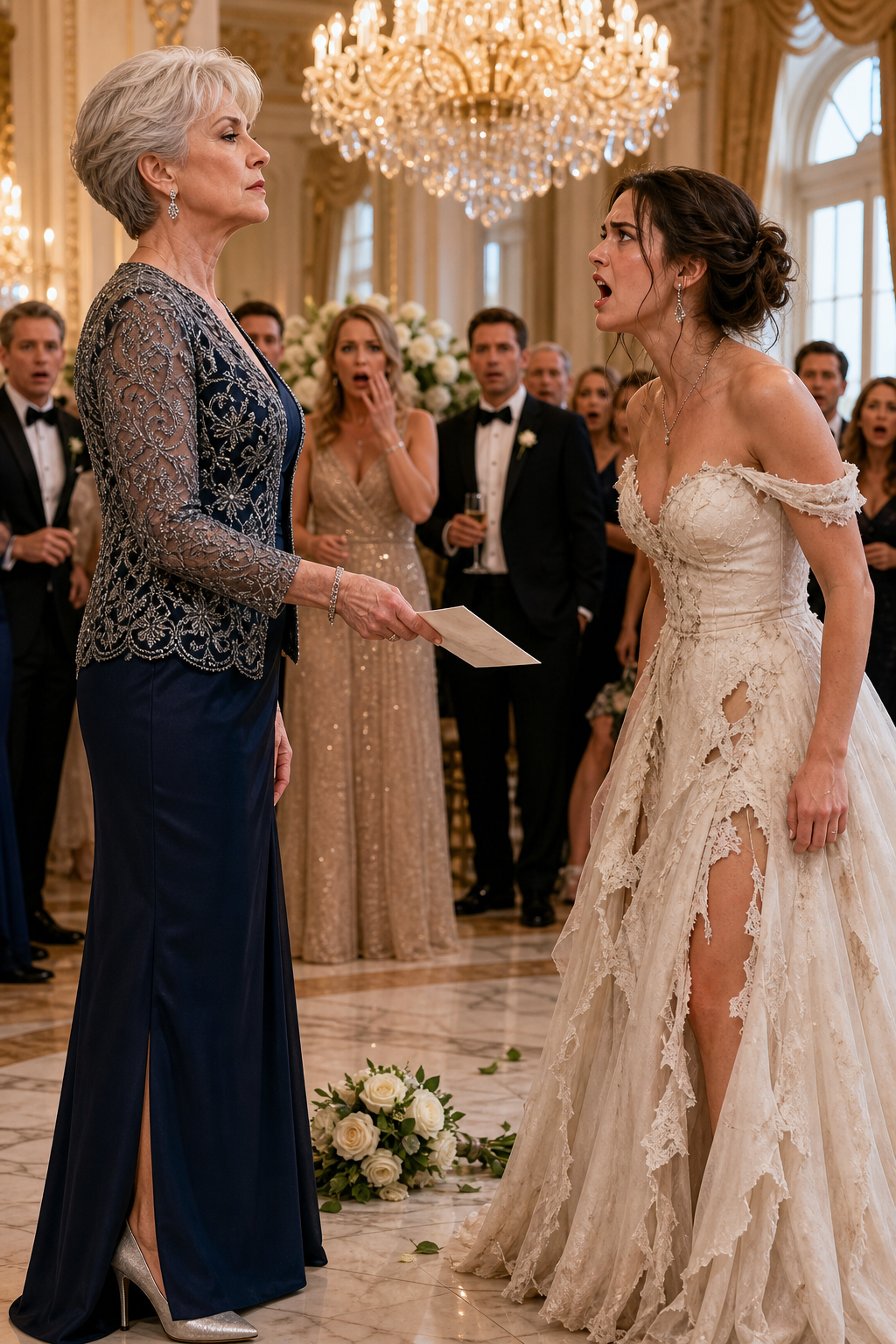
One second I was standing on the marble stage in my dress uniform, hearing my name announced as Captain Grace Whitaker.
The next, fire tore through my side and the chandeliers above the hall broke into pieces of light.
I did not fall at first.
That was the detail people kept repeating later.
Not the blood.
Not the scream from the back row.
Not the cameras flashing because half the room thought the sound had come from a speaker.
They remembered that I stayed upright.
My left hand pressed against my uniform.
My right hand still at my side.
And ten feet away, my stepfather held the gun with the same calm face he used when he taught me, at fourteen, that fear could be a household rule.
Martin Voss smiled.
Older now.
Thinner.
Still certain that any room he entered belonged to him.
"You do not get to leave me," he said.
The microphone caught every word.
Then General Adrian Cole moved.
He had been standing beside me to present the commission, four stars pinned to a man who never wasted motion.
His voice cracked through the hall like a door being kicked open.
"Drop the weapon. Now."
Martin did not drop it.
He raised the barrel toward my chest.
Security surged from both aisles.
Someone screamed my name.
The second shot never came.
Two agents hit Martin so hard his shoulder slammed against the podium. The gun skidded across the marble and spun beneath the first row of chairs. Guests scattered. A bouquet toppled. A camera crashed to the floor.
Martin laughed while they pinned him down.
"You think a uniform makes you free?" he shouted. "You are nothing unless I say you are."
My knees finally touched the stage.
General Cole caught me before my head struck the floor.
His white glove turned red against my side.
"Stay with me, Captain," he said.
I tried to answer.
What came out was a whisper I had been carrying since childhood.
"He found me."
Cole looked at Martin being dragged away, then back at me.
"No," he said. "He exposed himself."
He Had Always Wanted An Audience
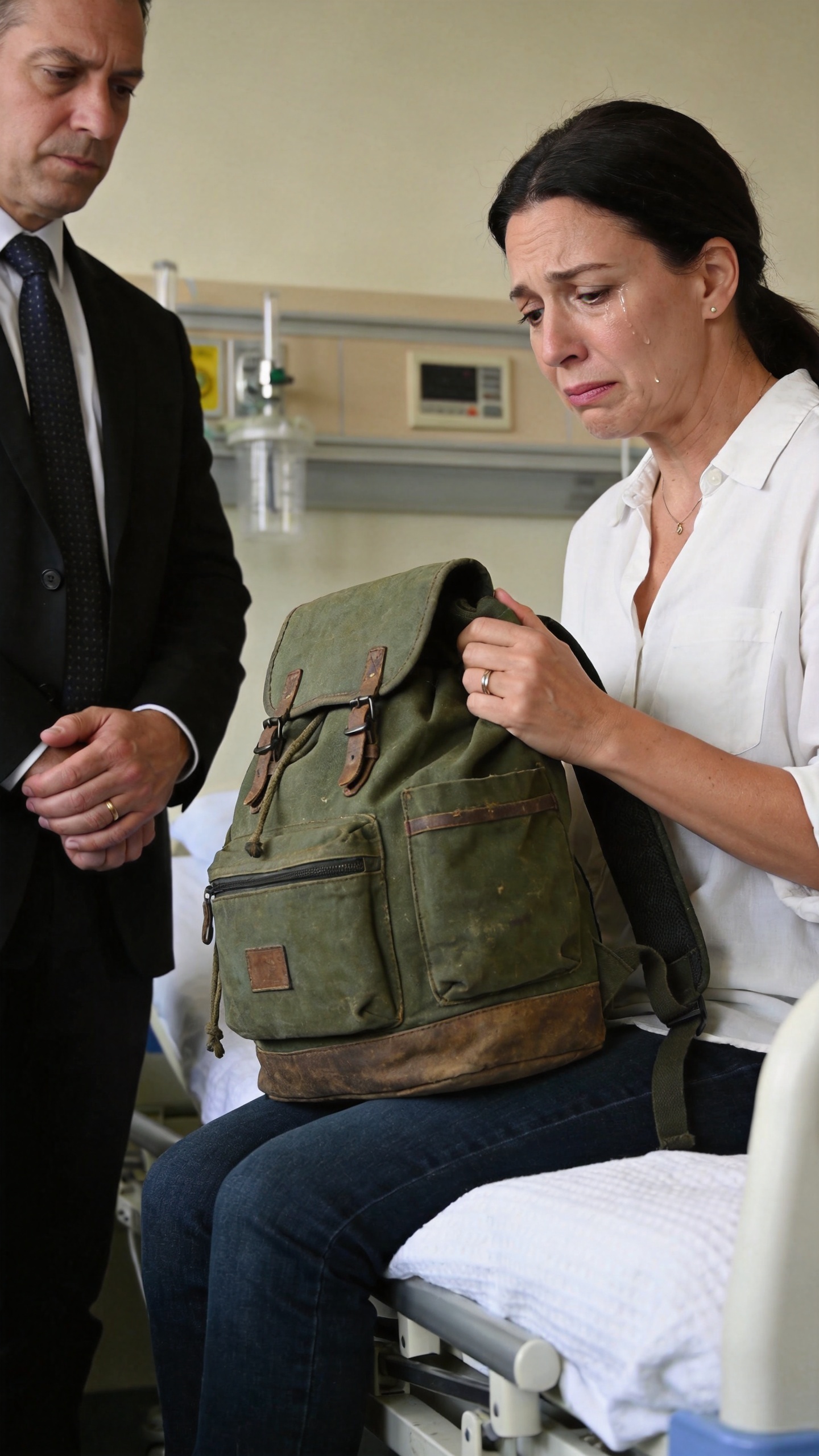
I woke in a military hospital three days later.
The room smelled like antiseptic, coffee, and plastic tubing.
My hip burned under a bandage.
My throat felt scraped raw.
For a few seconds, I thought I was seventeen again, lying in the basement bedroom of Martin's house and listening for his footsteps above me.
Then I saw the uniform jacket hanging beside the door.
Torn.
Bagged.
Evidence.
General Cole sat in the chair by the window, reading a file thick enough to frighten a table.
"You are awake," he said.
"Am I still commissioned?"
His mouth tightened.
"Captain, you bled through the oath and still tried to salute the medic. Yes."
I closed my eyes.
The relief hurt worse than the wound.
Cole set the file on his knee.
"Martin Voss is in federal custody."
"He will get out."
"Not quickly."
"You do not know him."
The general was silent long enough that I opened my eyes.
"Then tell me," he said.
So I did.
Not the polished version I had given background investigators.
Not the childhood-with-hardship version people could digest.
The truth.
Martin married my mother when I was nine. He wore charity pins, funded youth sports, and made public speeches about discipline. At home, discipline meant locked cabinets, missing money, bruises explained as clumsiness, and a man who could make a child apologize for breathing too loudly.
When my mother got sick, he took control of her accounts.
When she died, he told people grief had made me unstable.
When I enlisted, he told neighbors I had run off because I was ungrateful.
When I qualified for officer training, he sent letters to three offices claiming I had a violent history.
"Why did you not report all of it?" Cole asked.
I looked at the ceiling.
"Because people believed his suit before they believed my bruises."
The general did not offer a soft quote.
He did not tell me I was safe now, as if safety were a switch.
He opened the file.
"Then we stop asking people to believe you. We make them read."
The Case Was Built One Quiet Page At A Time
Recovery was not heroic.
It was humiliating.
I learned to stand with a walker while nineteen-year-old privates sent me cards that said "Ma'am, do not quit."
I learned to sleep through pain in twenty-minute pieces.
I learned that the scar had weather.
Rain made it throb.
Anger made it sing.
Martin's lawyers called the shooting a breakdown.
They called it a family misunderstanding.
They called me a troubled woman with a service record that had made me "overdramatic."
General Cole brought me those motions with the expression of a man carrying spoiled milk.
"They are trying to make the room smaller," he said.
"That is what he does."
"Then we widen it."
He assigned me limited-duty analysis from the hospital.
Officially, it was administrative work.
Unofficially, it was the first time anyone in authority had handed me a flashlight and said, "Show me where the dark is."
Sergeant Lena Ortiz brought the first box.
Bank records.
Insurance transfers.
Old police call logs from neighborhoods where Martin had once owned rental houses.
Captain Reeves from cyber brought emails recovered from an assistant who had quit after the ceremony.
Assistant U.S. Attorney Miriam Shaw came with a yellow legal pad and eyes that sharpened every time Martin's name appeared beside a shell company.
We built the case without drama.
Quietly.
Methodically.
Martin had moved my mother's savings through a consulting firm after her diagnosis.
He had forged her signature on a medical power document.
He had bribed a retired clerk to misfile a complaint I made at seventeen.
He had used a veterans' charity as a front for contracts that moved money into private accounts.
And he had hired a man to follow me two weeks before the commissioning ceremony.
That last page changed the air in the room.
It was a receipt from a private security company.
Subject: Grace Whitaker.
Location: ceremony hall, east entrance, family seating.
Instruction: If she refuses contact, create public pressure.
Cole read it twice.
His jaw moved once.
"Public pressure," he said.
I thought of Martin's smile.
I thought of the gun.
I thought of the room full of officers, donors, families, and cameras watching him finally become what he had always been when doors were closed.
"He did not lose control," I said.
Miriam Shaw capped her pen.
"No. He escalated a plan."
Martin tried to escalate again from jail.
He sent messages through an old business partner.
He promised favors.
He threatened to release "family history."
He told one guard I would crawl back once I understood nobody could protect me forever.
The guard reported it.
For once, someone wrote it down.
The report changed the prosecutors' posture.
No one said family dispute after that.
No one asked whether I had misunderstood Martin's tone.
One sentence in a guard's incident log did what years of pleading had not done: it placed his threat in ink before he could polish it into concern.
I kept a copy beside my hospital bed.
Not because I wanted to read it.
Because I needed to remember that truth becomes harder to erase when it has a date, a witness, and a signature.