I Gave Up Everything To Raise My Late Fiancee's 6 Children. Ten Years Later, Her Oldest Son Came Home And Said, "Dad, I Think You Deserve To Know The Truth About Mom"
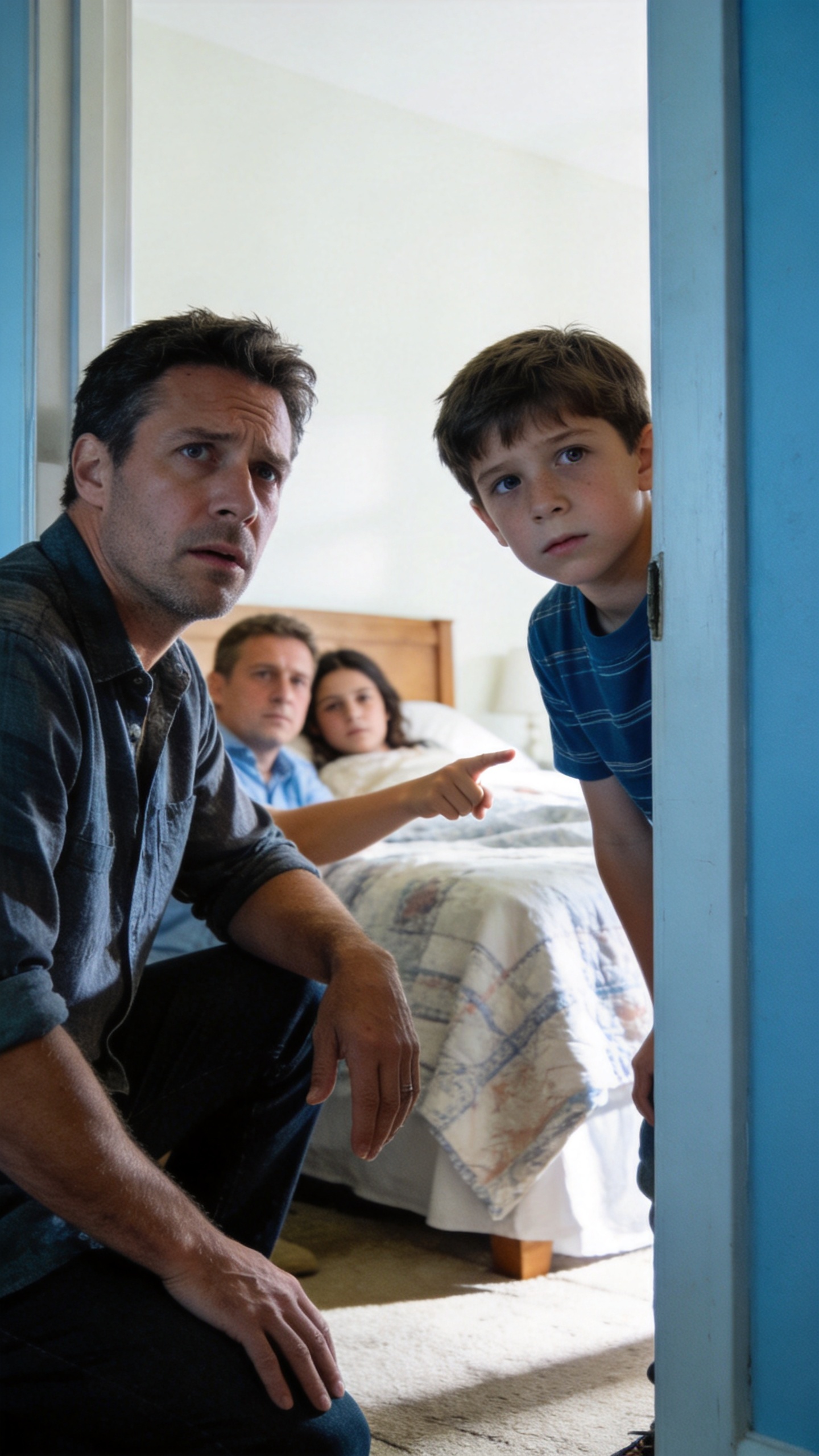
His face folded in a way I had not seen since he was twelve.
"She said my name."
The room tilted.
"What else?"
"She said she was sorry."
I gripped the edge of the counter.
"Where is she now?"
"I don't know. She ran out the back before I could stop her."
He took a folded piece of paper from his jacket.
"But I found this at the inn desk. She has been using the name Mara Hale."
Not Maya.
Mara.
A woman alive under another name.
For ten years, I had defended a ghost.
For ten years, six children had grown around a grave that had never held a body.
I should have felt anger first.
Instead, I thought of Emmy in the church pew asking when Mommy would come back from the water.
Then the anger arrived.
It did not come loud.
It came cold.
The next morning, Caleb and I drove to Harbor Glen.
I did not tell the younger kids yet. You do not throw a match into a room full of old paper and call it honesty.
The inn was painted yellow, cheerful in a way that made me dislike it immediately.
The woman at the desk recognized Caleb and turned pale.
When I asked for Mara Hale, she said she had left before dawn.
But people who run often leave behind the shape of their running.
There was a storage locker.
There were pay stubs.
There was an old photograph tucked into a paperback novel.
Maya on a ferry, three years after the beach, hair shorter, face thinner, alive.
On the back, in handwriting I knew too well, she had written:
I thought leaving would save them from what followed me.
That sentence did not forgive her.
But it changed the question.
The Truth Was Worse Than A Simple Betrayal
We found her two days later because Caleb remembered the name of the flower shop.
Maya was in a rented room above it, packing a bag with shaking hands.
When she opened the door and saw me, she covered her mouth.
"Ben."
My name sounded wrong in her voice after ten years.
Caleb stood beside me like a wall that had learned to breathe.
I wanted to ask a hundred questions.
Why?
How?
Did you watch birthdays from a distance?
Did you know Emmy slept with your sweater?
Did you understand what Caleb became while trying not to break?
What came out was smaller.
"Are you alive because you chose to leave, or because someone made you?"
Maya closed her eyes.
Then she told us.
Before I met her, her late husband had owed money to a man who treated debts like ownership. After his death, threats started. At first they were letters. Then phone calls. Then a photo of the children walking into school, taken from across the street.
Maya went to the police and got nowhere.
She tried to disappear legally and was told she could not vanish with six children without creating a trail.
On the beach that day, she saw the man near the pier.
She panicked.
She walked away to draw him from the kids.
He followed.
There was a car.
There was a woman from a private security office who offered a terrible solution dressed as protection.
Maya could enter a witness relocation channel connected to a larger investigation, but the children had to remain because moving all six would expose the route and make them targets.
"I was told it would be months," she whispered. "Then the case broke apart. The agent died. The files vanished. Every year I tried to come back, someone warned me I would lead danger home."
Caleb's voice was flat.
"So you let us think you were dead."
Maya flinched.
"I thought your grief was safer than your bodies in coffins."
I wanted to hate that sentence.
Part of me did.
Another part remembered the photo of the children outside school and felt the old world grow teeth.
"You could have trusted me," I said.
Tears slid down her face.
"I know that now."
"No," I said. "You knew it then. You just did not believe I would stay."
That hurt her because it was true.
We did not bring her home that day.
Stories like ours do not heal because a missing person appears in a doorway.
They get more complicated.
There were investigators.
There were old threats made new.
There were six children to tell, each breaking in a different language.
Emmy screamed.
The twins refused to speak.
One of the boys punched a hole through the garage wall.
Caleb sat on the porch until morning.
Maya came to the house two weeks later with a counselor, a detective, and no expectation of being forgiven.
That was the only reason I opened the door.
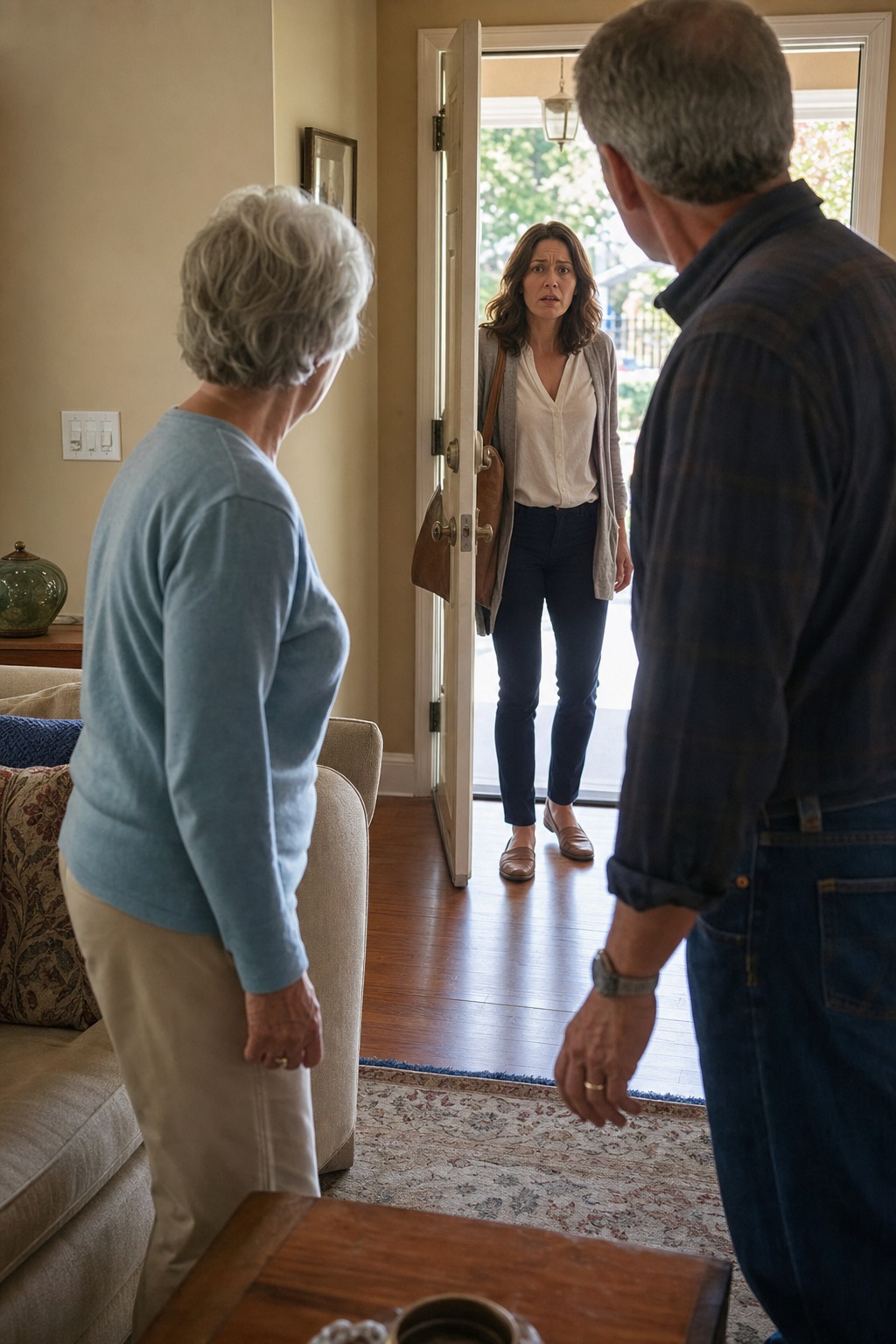
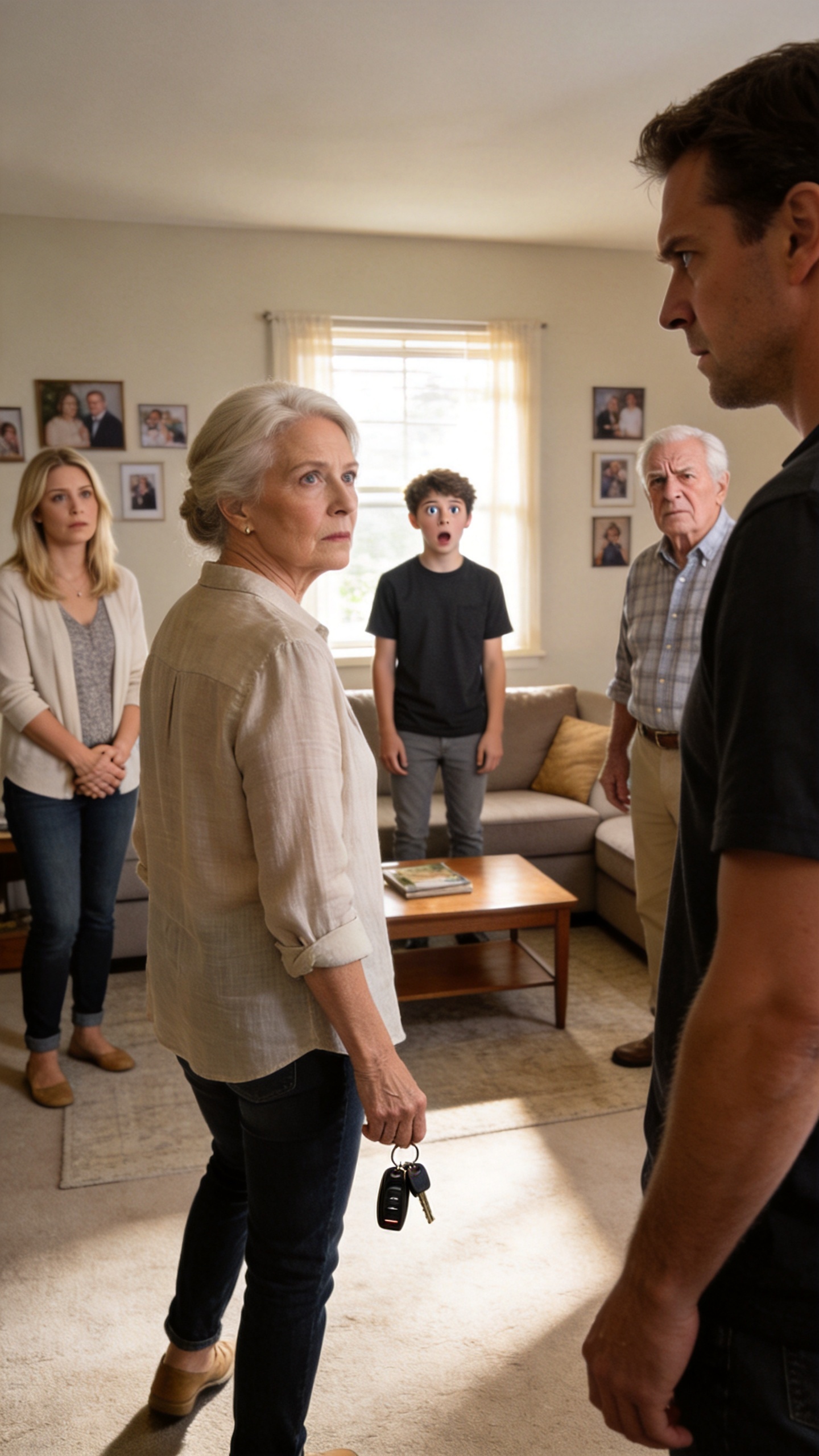
She walked into the living room and stopped when she saw the red sweater folded on the chair.
Emmy, now twelve, stood at the stairs holding the sleeve.
"You missed everything," she said.
Maya nodded through tears.
"I know."
"He didn't."
Every face turned toward me.
I looked at the six children who had made me a father by needing me before loving me.
Then I looked at the woman I had mourned longer than I had known her.
The truth had not erased ten years.
It had simply opened the locked room inside them.
Maya did not move back in.
She rented a small place three blocks away and earned every visit slowly.
Some children went.
Some did not.
Caleb took the longest.
I did not tell him to hurry.
One evening, months later, he found me on the porch and sat beside me.
"Do you regret staying?" he asked.
I looked through the window at Emmy helping the twins burn grilled cheese while the younger boys argued over homework.
"No."
"Even now?"
"Especially now."
He leaned forward, elbows on knees.
"Why?"
Because love is not proven by being chosen first.
Because children should not have to audition for loyalty.
Because sometimes the family you save becomes the reason you survive what saving costs.
But I only said, "Because you were here."
Caleb wiped his face with the heel of his hand.
Then, after ten years of testing whether I would leave, he rested his head against my shoulder like the boy from the beach had finally come home.