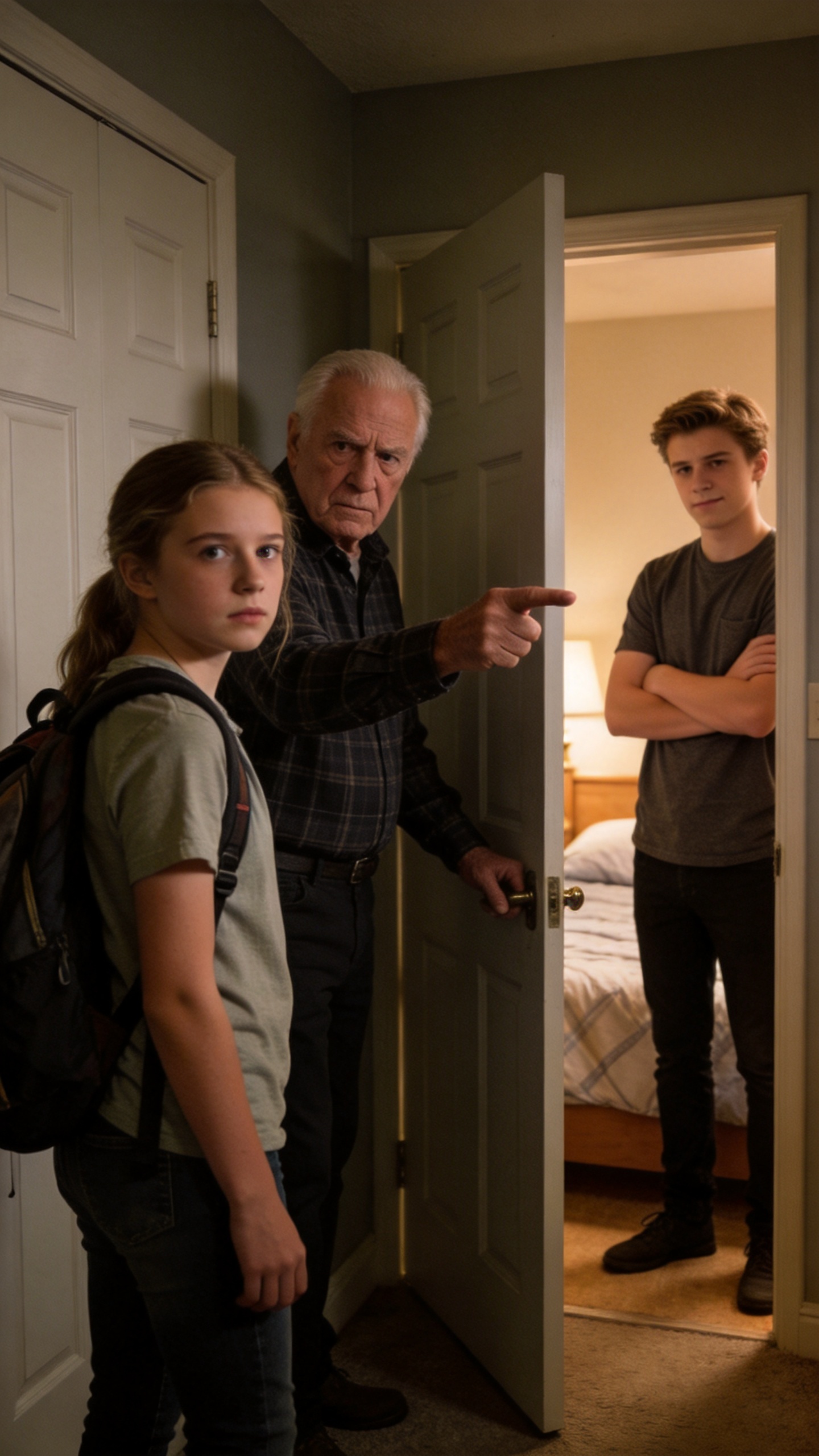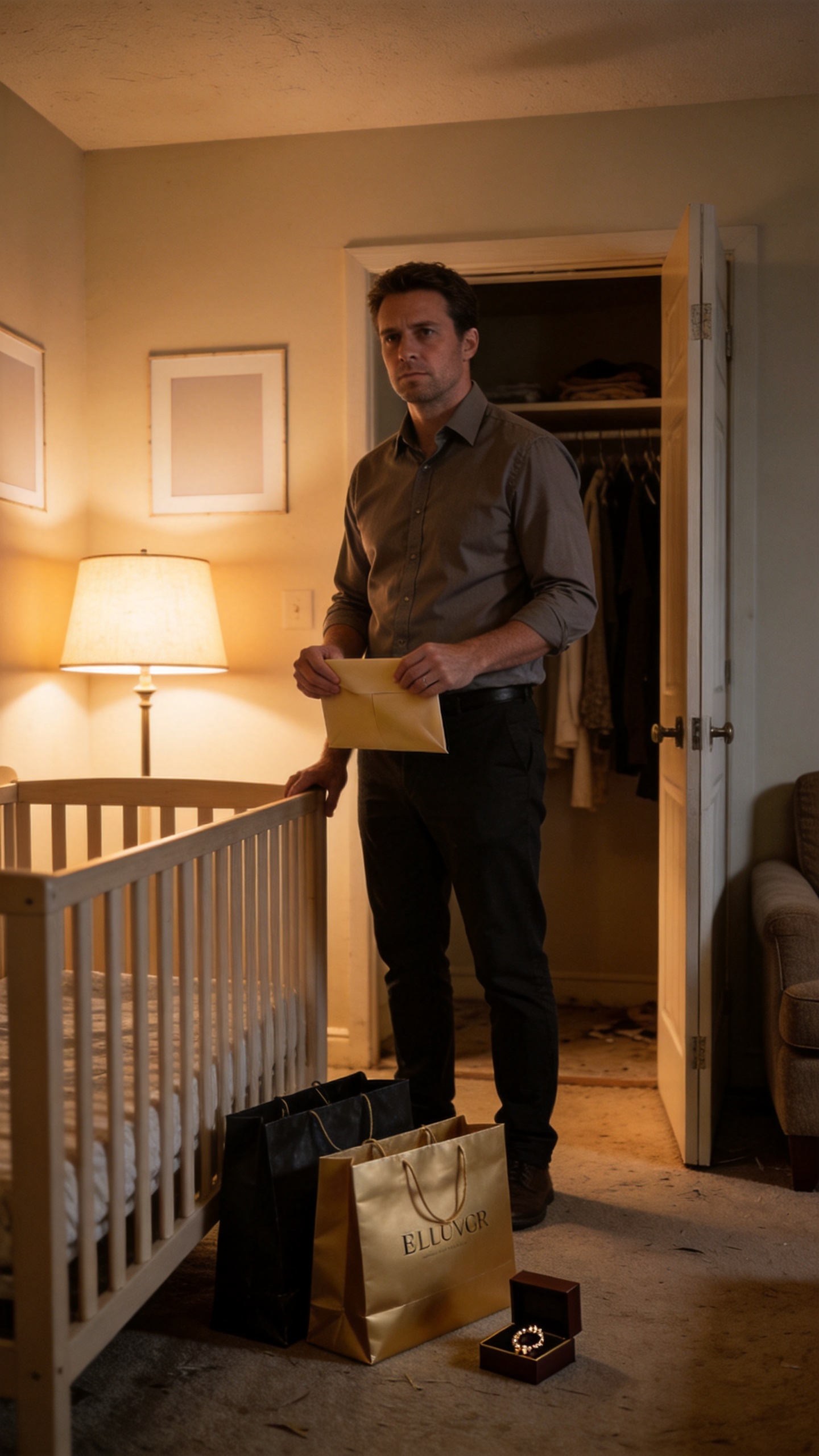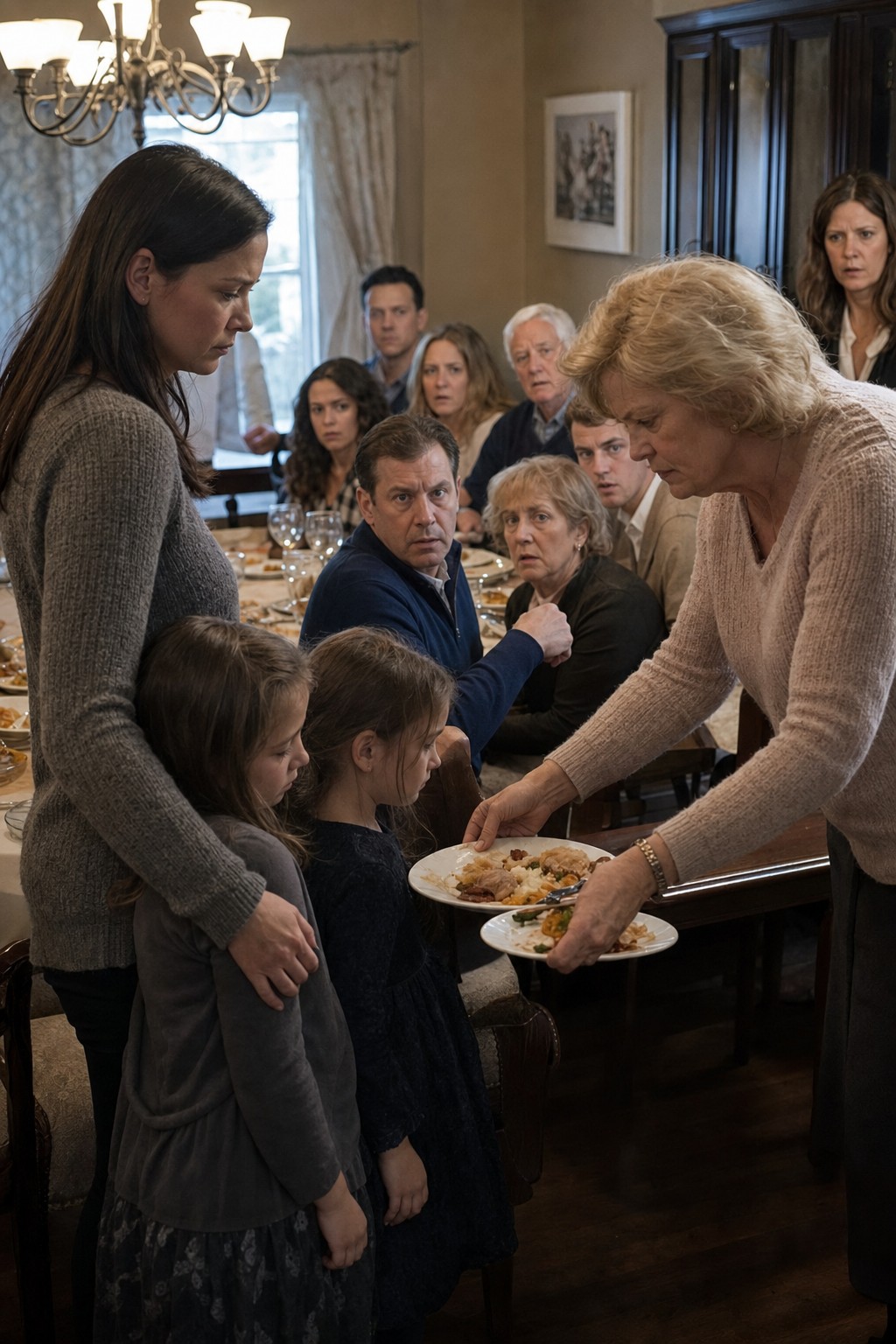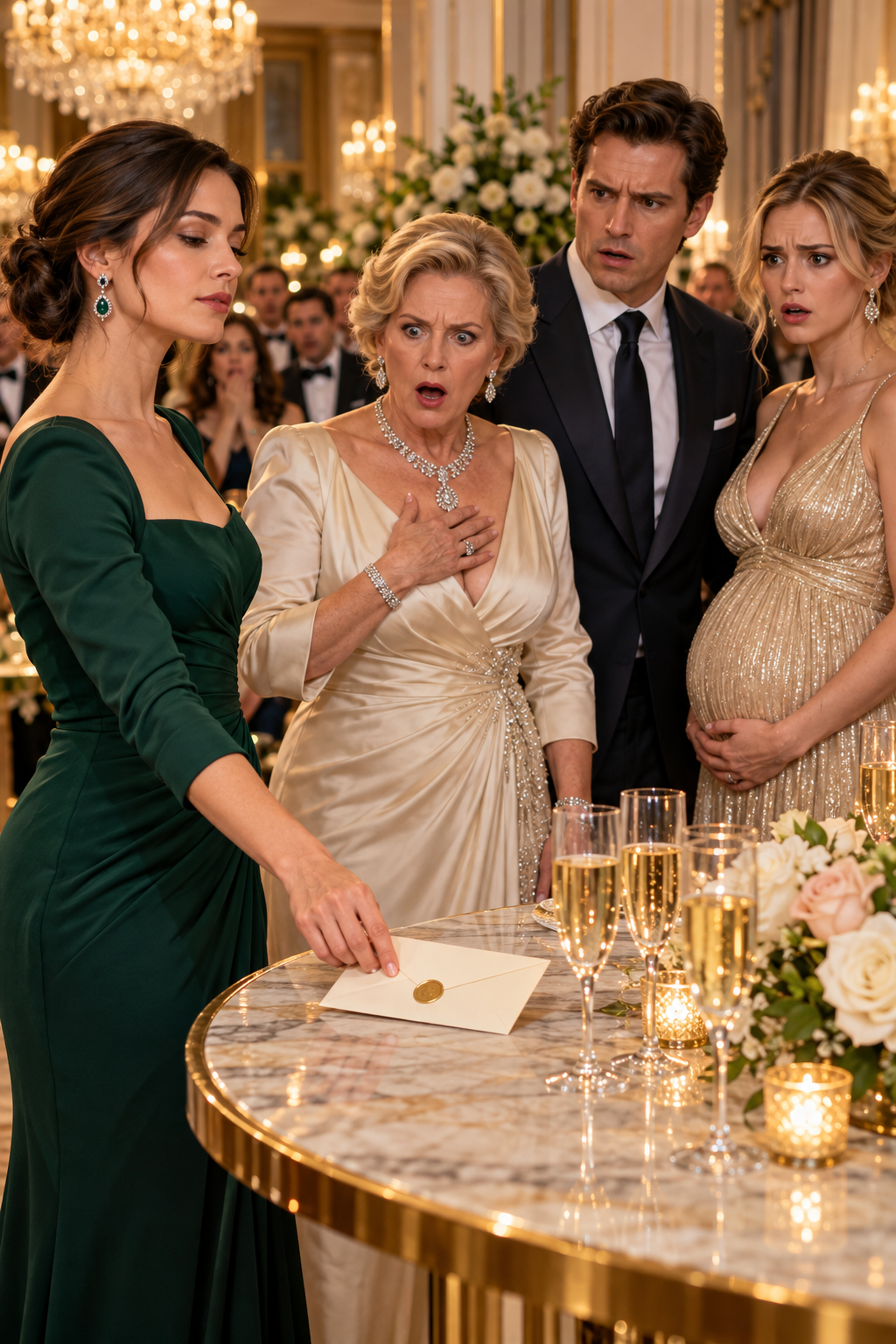
That Morning, My Son Texted, "Plans Changed. You're Not Coming on the Cruise. My Wife Wants Only Her Family." I Didn't Argue. The Next Day, I Canceled Every Payment

The Text Arrived Before Breakfast
My phone lit up while the kettle was still whistling.
It was the kind of ordinary morning that makes bad news feel almost rude. The counter was clean, my mug was waiting beside the sink, and the little calendar Bella had colored for me was clipped to the refrigerator with a magnet shaped like a seashell.
Andrew, my only son, had sent six words first: "Plans changed. You're not coming."
A second message followed before I could type back. "Lauren wants only her family on the cruise. Please don't make this awkward."
I stood in my quiet kitchen, reading the words again. The cruise had been my anniversary gift to the family, though my husband Robert had been gone for three years.
Robert and I had always talked about taking Andrew somewhere warm once the hard years were behind us. We used to imagine the three of us standing at a railing, watching the ocean open out like a promise. After Robert died, the dream changed shape, but I kept it alive for Bella.
I had paid for the cabins, the excursions, Bella's little passport holder, the transfers, and even the matching sun hats Lauren said would look cute in photos.
Lauren had sent screenshots for everything. Which deck would photograph better at sunset. Which excursion would make Bella look happiest. Which dinner seating would be easier with a child. Every suggestion had arrived wrapped in sweetness, and every bill had landed in my inbox.
For one full minute, I did nothing.
My first instinct was to call Andrew and ask whether he understood what he had just sent. My second was to call Lauren and demand the honest version.
But age gives you one useful gift if you let it: the ability to recognize a door closing before you bruise your shoulder trying to hold it open.
Then I typed, "Understood."
Andrew answered with a thumbs-up. That hurt more than an argument would have.
A thumbs-up is what you send to a delivery driver, not to the mother you have just erased from the vacation she funded. I stared at that tiny blue hand until the screen went dark.
The next morning, I called the travel office, the bank, the private school, the music tutor, and the attorney who managed my granddaughter's education trust.
By noon, every payment I controlled was canceled, frozen, or redirected exactly where it should have been from the beginning.
The House Money Had Already Chosen Its Owner
My name is Margaret Ellis. At sixty-seven, I sold the redbrick house where Robert and I had raised Andrew in Upper Arlington, Ohio.
It was not a mansion, but time had turned it into something valuable. After taxes, repairs, and closing costs, the sale left just over eight hundred thousand dollars.
That house had known every version of our family. Andrew's muddy cleats by the back door. Robert's tool bench in the garage. My stacks of graded essays on the dining room table. Selling it felt less like cashing out and more like folding a life into boxes.
Andrew thought some of it would rescue his construction business. Lauren thought some of it would help them buy a larger home in a better neighborhood.
Neither of them said it plainly at first. They used soft words. Bridge loan. Family investment. Temporary help. A better start for Bella. But every conversation circled back to the same assumption: once the house sold, the money would become available to adults with urgent plans.
I had a different plan.
Every cent went into a protected education trust for my four-year-old granddaughter, Bella, with an independent trustee named Martin Hale.
I did not do it secretly. I told Andrew before the sale closed. I told Lauren over tea in my old breakfast nook while Bella napped on the sofa with a picture book across her chest. Lauren smiled then and said Bella was lucky to have such a generous grandmother.
Andrew and Lauren had signed the documents six weeks earlier. They received copies. They saw the restrictions. They simply did not read them with money in mind.
The restrictions were not hidden in fine print. Distributions had to serve Bella's education directly. Major requests needed documentation. The principal could not be borrowed against, pledged, emptied, or redirected for household expenses. Andrew had initialed every page.
At the closing office, Andrew finally understood.
"You sold the house without giving us the money?" he demanded, palms flat on the conference table.
"I gave it to Bella's future," I said.
Lauren stood by the window with her phone in her hand and said I had buried a life-changing decision inside legal paperwork.
"A normal college account doesn't lock up this much until she is eighteen," Andrew snapped.
"A normal college account can be emptied," I replied.
Lauren asked, "By who?"
I did not answer. The silence did it for me.
Andrew looked away first. That was when I knew he understood exactly why the trust existed. Lauren's mouth tightened, and the room seemed to divide into two camps: people who saw protection, and people who saw a locked door.
Why I Stopped Trusting Easy Promises
Andrew loved his daughter. I never doubted that.
But I had watched money turn into emergency plans too many times. A bad contract became a request for equipment money. A house upgrade became an "investment opportunity."
At first, I had helped. When Andrew's first crew truck failed, Robert and I covered the repair. When a client delayed payment, I bought groceries and told myself young families needed room to breathe.
I did not regret helping my son, but I noticed how quickly help became history once the next crisis appeared.
Lauren had a talent for making expensive decisions sound like proof of ambition. Her luxury SUV arrived during the same month she said they could not save more for Bella.
She could make a purchase sound like strategy. The SUV was "safe." The designer stroller was "ergonomic." The vacation condo weekend was "networking." If I hesitated, she would lower her voice and say Andrew worked so hard, as though fatigue converted wants into needs.
I wanted Bella to have choices when she was old enough to make them.
College. Trade school. Graduate school. Marine science, if her love of ocean books lasted. Anything that belonged to her life, not her parents' pressure.
Bella was already the sort of child who studied the world before entering it. She lined up shells by color, asked why whales sang, and corrected adults who called dolphins fish.
I could not know what she would become, but I knew she deserved a future that had not already been spent.
So my attorney, Grace Whitmore, built the trust carefully. Andrew and Lauren could request limited educational distributions. They could not borrow from it or demand control.
Martin, the trustee, had known Robert professionally. He was calm, careful, and impossible to intimidate.
That mattered. I knew myself well enough to admit that Andrew could still make me feel like the young mother who wanted to fix everything. Martin did not carry that ache. He could read a request, compare it to the trust, and say no without hearing Andrew's childhood in his voice.
"This may make you unpopular," Grace warned me.
"I taught middle school for thirty-one years," I told her. "Unpopular does not scare me."
What scared me was Bella sitting at eighteen across from an empty account while every adult explained how good their intentions had been.
Lauren Found Another Door
For a few months, everyone pretended we were fine.
I moved into a smaller condominium near a park. Bella still came every Wednesday. She still looked for animal crackers on the second shelf.
Those Wednesdays saved me. Bella would burst through the door with her backpack sliding off one shoulder and announce the news of her small world: who had shared crayons, which cloud looked like a whale, why ants were probably very busy people.
With her, the trust was not a legal instrument. It was a promise I could keep quietly.
Then Lauren announced that Bella had been accepted to Worthington Academy, a private elementary school with tuition higher than some colleges.
I had not known she applied.
The brochure arrived before the conversation. Thick paper, smiling children in navy uniforms, a courtyard with trimmed hedges, a list of enrichment opportunities that sounded impressive enough to make any parent anxious. Lauren placed it on my coffee table like evidence.
"This is exactly why the trust exists," Lauren said.
"No," I told her. "The trust exists so Bella can choose her future, not so adults can choose it for her."
Lauren's expression changed. The pleasant daughter-in-law face slipped, and underneath it was someone who had already spent the money in her mind. She said I was being rigid. I said the trust was doing the job it had been created to do.
Martin denied the request. Private elementary school, he wrote, was a parental responsibility, and removing that much money so early would damage the trust's future value.
Lauren appealed. Martin denied it again.
Andrew called me after the second denial and asked whether I could "talk sense" into Martin. When I said Martin was following the documents Andrew had signed, my son accused me of hiding behind lawyers. I reminded him that lawyers were the reason Bella's money had rules.
Then she and Andrew filed a court petition asking to release nearly one-third of Bella's trust for tuition, uniforms, transportation, and activities.
I sat in Grace's office staring at Andrew's signature.
"He signed the trust agreement," I said.
Grace nodded. "People understand agreements differently once money becomes useful."
I kept looking at the signature because it was familiar. Andrew had printed his capital A the same way since high school, firm and slightly impatient. Seeing it beneath a petition against his own daughter's protection made my chest feel hollow.
One Word Changed the Room
The judge sent us to mediation first.
Lauren arrived with a binder full of brochures. Andrew sat beside her and barely spoke. Martin attended with counsel.
The room had no windows, only a pitcher of water and a box of tissues on the table, as though the building knew families came there to say things they could not take back.
Lauren wore a cream blazer. Andrew wore the expression of a man hoping someone else would carry the argument.
The mediator asked what each of us wanted.
Lauren said, "I want my daughter to receive the education she deserves."
I said, "I want Bella's future protected until she is old enough to help decide how it should be used."
The mediator wrote both sentences on a yellow pad. Seeing them side by side made the difference plain. Lauren spoke as if Bella's future was an accessory to select early and display well. I spoke as if it was a locked room Bella should open herself.
I offered a compromise: music lessons, tutoring, language programs, or other enrichment if the trustee approved them.
I was not refusing education. I was refusing a raid. If Bella needed reading support, I would support it. If she wanted violin or Spanish or a science camp when she was older, I would celebrate it. What I would not do was drain a protected fund to purchase status for adults.
Lauren refused. She wanted Worthington Academy. Nothing less.
The mediator asked what was wrong with Bella's current school.
Lauren stared at the table for several seconds.
"It's ordinary," she said.
That word stayed with me.
Andrew flinched when she said it. He knew where he had come from. Ordinary had been his mother grading papers at midnight and his father working overtime so the furnace could be replaced before winter. Ordinary had fed him, taught him, and sent him into adulthood with no debt.
Ordinary was Bella running across a playground where every teacher knew her name. Ordinary was finger paintings on classroom walls and a reading rug beside friends.
Ordinary was not failure. It was childhood.
I left mediation knowing we would end up before a judge. Lauren did not want a compromise; she wanted permission to call ambition love and make Bella pay for it.
The Court Protected What We Would Not
The hearing lasted two days.
Lauren spoke about elite education, networking, language immersion, and advantages she never had as a girl.
She was persuasive. I will give her that. She had charts about outcomes, articles about early learning, and a trembling sentence about wanting her daughter to walk into every room with confidence. If the case had been about her dreams alone, she might have won the room.
Grace did not attack her motives. She asked simple questions.
Had Lauren signed the trust? Yes.
Had she applied to Worthington before receiving approval to use trust funds? Yes.
Had she committed Bella to a school she could not afford with money she did not control? Yes.
Each yes landed gently, which somehow made it worse. Grace never raised her voice. She simply made Lauren follow the path backward until everyone could see the decision had been made first and the justification built afterward.
Martin explained what would happen if one hundred forty thousand dollars left the trust while Bella was only four. The future value could drop by more than half.
He brought projections printed in neat columns. Conservative growth, expected expenses, estimated tuition if Bella chose college, vocational training, graduate school, or a specialized science program.
The numbers were not dramatic, but they were patient. They showed what time could do if adults stopped grabbing at it.
The judge asked whether Bella's current education was inadequate.
No one could honestly say it was.
That was the quietest moment of the hearing. Lauren looked at Andrew. Andrew looked at the table. Their lawyer shuffled papers. For all the talk about advantage, no one could point to harm.
Three weeks later, the court upheld the trust. Andrew and Lauren could request narrow educational expenses, but the principal stayed protected.
Lauren blamed me. Andrew avoided eye contact. Bella, who only knew that adults were upset, asked whether I would stop being her grandma if her mother won.