My Parents Said I Was Jealous For Skipping My Sister's Wedding, So I Sent One Video To The Reception And Let The Ballroom See The Empty Chairs From Mine
Naomi did not skip Sabrina's wedding because she was jealous.
She skipped it because her own wedding still had empty chairs in every family row.
Her parents knew that.
Sabrina knew it too.
Four days before the ceremony, they sat in Elaine's polished living room and called Naomi bitter anyway.
"You are just jealous that your sister gets a real wedding," Sabrina said.
Real.
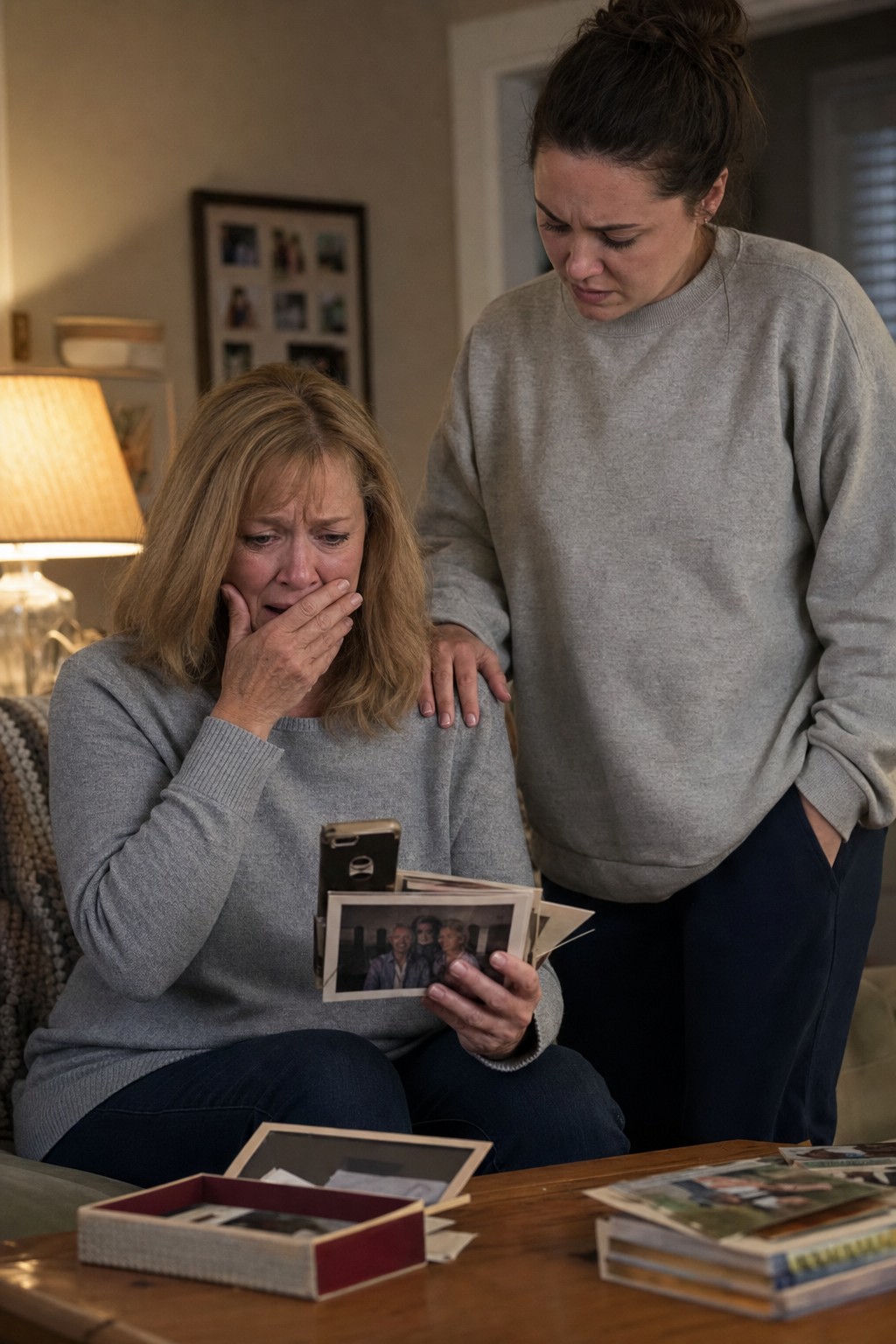
Naomi looked at the photo on her phone.
Her dress.
Marcus's hand around hers.
Three empty rows where her family should have been.
Then she looked at the saved kitchen-camera clip.
The one nobody knew she still had.
They Wanted Her In The Photos, Not In The Truth
Elaine wanted Naomi at the wedding.
Not close.
Not heard.
Visible.
"People will ask questions," her mother said.
That was the real emergency.
Questions.
Not the eight months Naomi had spent being told to get over it.
Not the invitation Sabrina had laughed at before dropping it into the trash.
Not Marcus watching Naomi check her phone on their wedding morning until the ceremony started and hope finally had nowhere to stand.
Naomi had tried the gentle way.
She had called.
She had explained.
She had used soft words until soft started to feel like another way to disappear.
Sabrina smiled.
"Do not punish me because your day was small."
The Video Had Waited Eight Months
The clip was not dramatic.
That was why it hurt.
Sabrina in the kitchen.
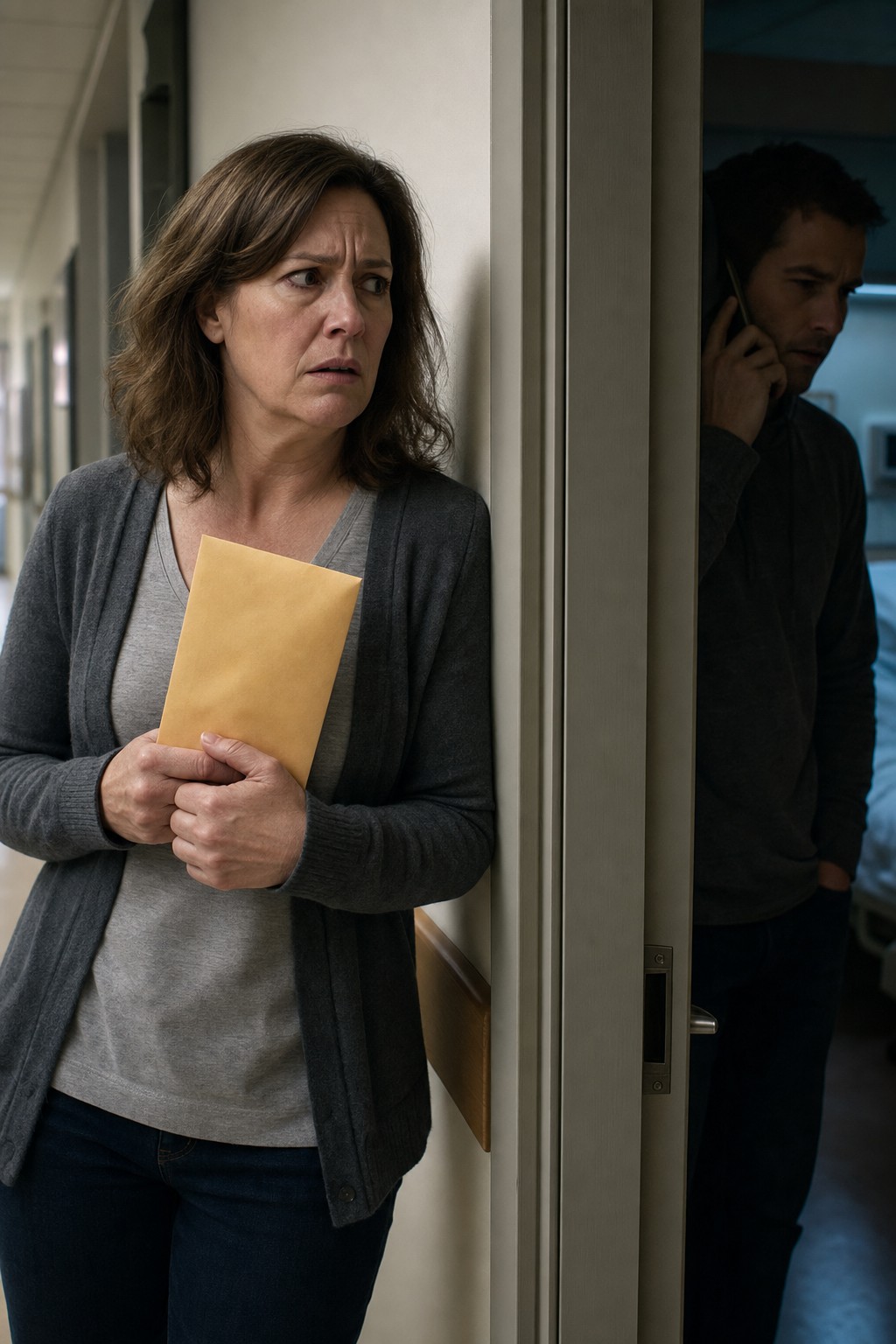
Envelope in her hand.
Elaine by the counter.
Naomi's wedding invitation opened, mocked, and dropped into the trash.
No screaming.
No accident.
Just a choice made in good lighting.
Naomi had saved it because she needed proof for herself.
Not for revenge.
For the mornings when her mother called it a misunderstanding.
For the nights when Sabrina said Naomi made everything about pain.
Proof is heavy.
But being asked to doubt your own memory is heavier.
Sabrina Played It Herself
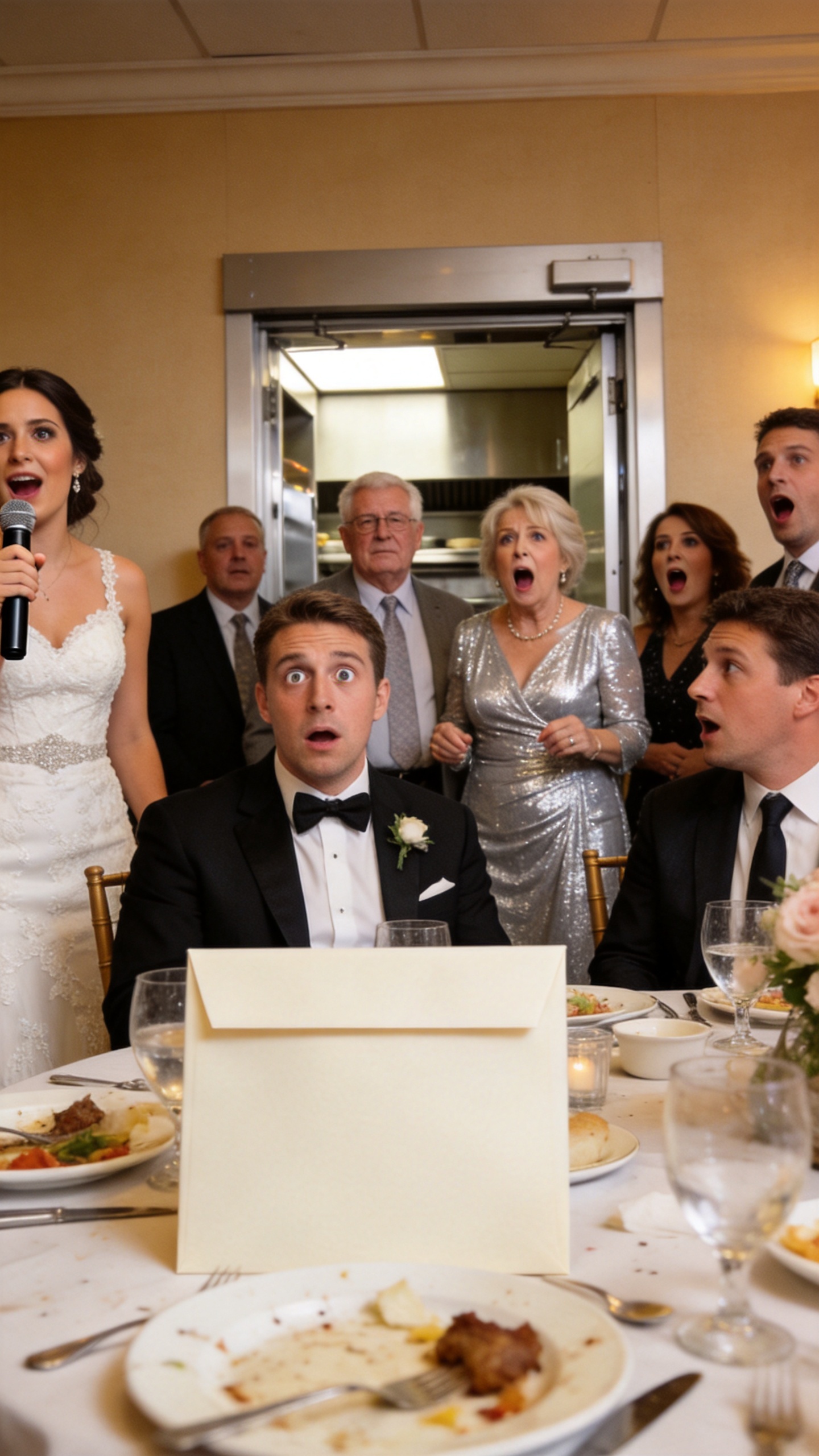
At Sabrina's reception, the video did not arrive with a speech.
Naomi sent it to Paige, the one cousin who had finally asked the right question.
What really happened at your wedding?
Paige hesitated.
Then Sabrina grabbed the phone.
"If she wants drama, let everyone see it."
So Sabrina played it herself.
That was the part Naomi replayed later.
Not the gasps.
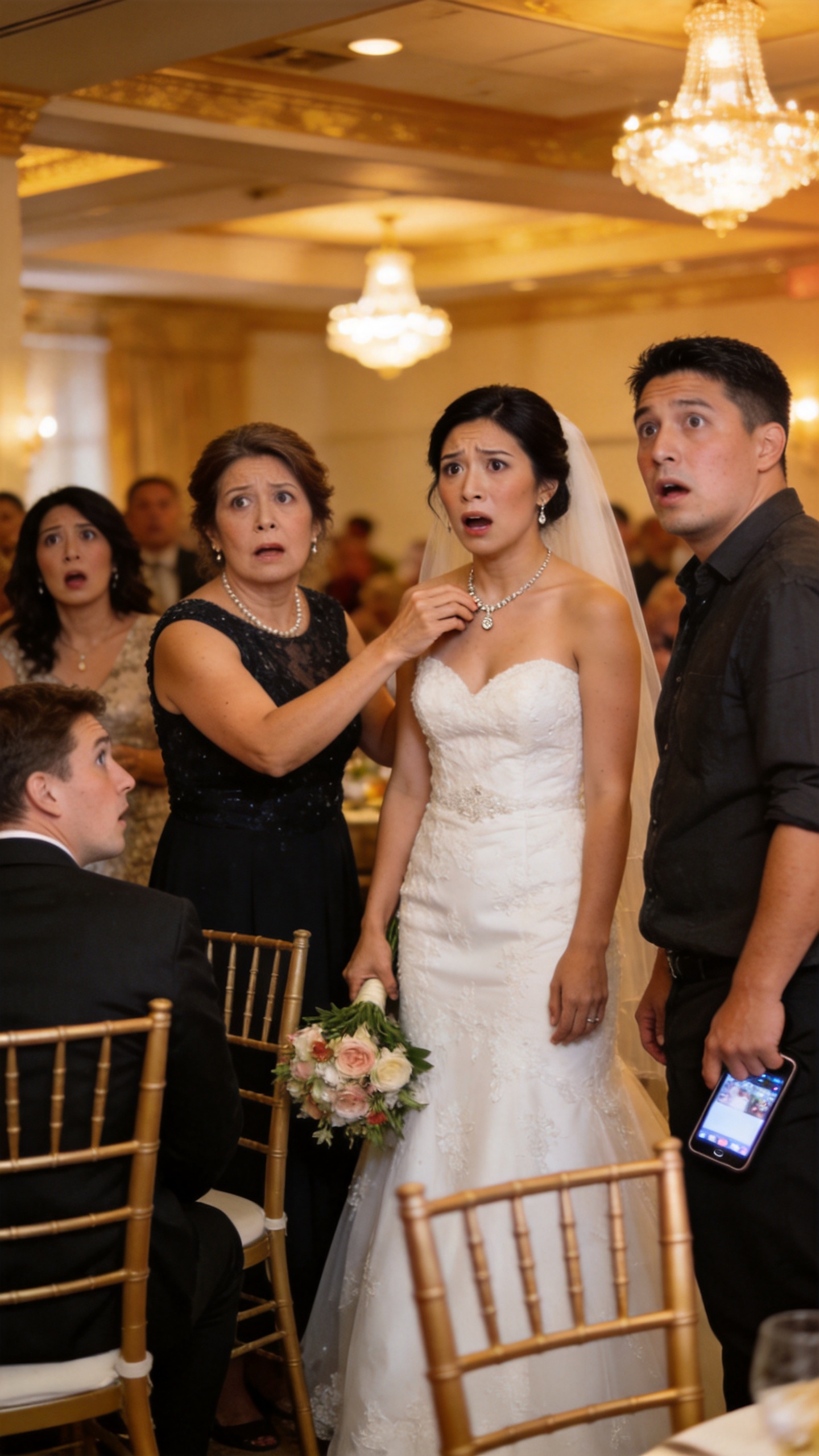
Not Elaine reaching for her necklace.
Sabrina pressing play because she still believed the room would choose her version.
Then the empty chairs appeared.
The ballroom saw them.
Names turned back into people.
The Empty Chairs Finally Had Witnesses
The room saw the trash can, then the empty chairs. Nobody needed Naomi to narrate the wound; the silence after the clip did that work for her.
There were messages afterward. Some were apologies with no ownership inside them. Some were orders wearing the costume of concern.
Some came from people who had watched the whole thing and now wanted credit for privately disagreeing.
Naomi answered fewer than expected.
She had learned something that day: the people who demand immediate forgiveness often waited a very long time before offering basic protection.
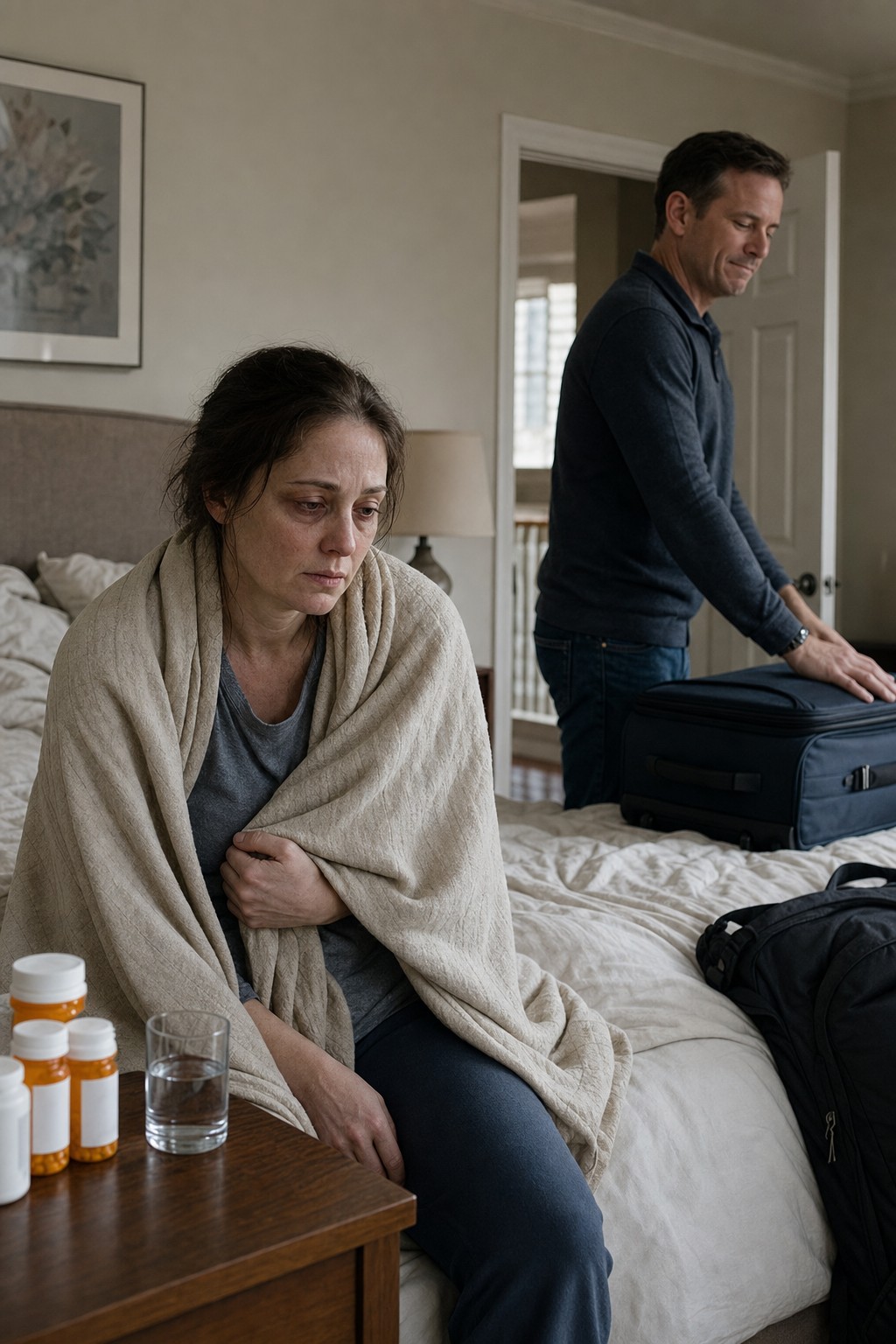
Naomi stayed home in sweatpants with Marcus, but for the first time her absence arrived somewhere without apologizing.
She put her phone face down after Paige called and let the apartment stay ordinary.
Dinner cartons on the counter felt kinder than any ballroom that required her silence.
Sabrina tried to give the first clean explanation before anyone else could ask an honest question.
That was how the old pattern survived: not by proving itself, but by speaking first.
In the wedding ballroom, the clean version made Naomi sound sensitive, confused, jealous, dramatic, or ungrateful, while everyone else got to sound reasonable.
The insult was never only the sentence. It was the speed with which people reached for a version that protected the person who had caused it.
Naomi could trace the pattern backward without effort.
There had been smaller scenes, quieter humiliations, little tests of how much he would absorb before asking to be treated as real.
the invitation in the trash mattered because it proved the past had not been imaginary. It gave shape to the things people had called mood, tension, or misunderstanding.
When a pattern finally has a record, the people who benefited from forgetting it suddenly become very interested in forgiveness.
Marcus did not arrive like a rescuer in a movie. The witness mattered because the room could no longer keep the story sealed inside the family performance.
Before that, Sabrina and Elaine could act as if their version was the only version available. After Marcus became part of the moment, the air changed.
People were not kinder yet, but they were less certain, and that was the first crack in the old control.
the kitchen video looked ordinary until everyone understood what it carried. That was the power of a concrete object. It does not argue. It does not beg.
It sits in the room making vague excuses harder to sell.
Once the empty chairs was connected to the object in front of them, the old language started failing.
There was no elegant way to make the harm sound harmless anymore.
The reversal did not make Naomi feel triumphant in the simple way people imagine. Mostly, he felt tired.
Being proven right after years of being minimized is not the same as being healed.
It is a relief, yes, but it also forces a person to look at how long the obvious had been denied.
In the wedding ballroom, the silence after the truth landed felt less like justice than like a bill finally being placed on the correct table.
The messages afterward revealed who had learned nothing. Some people wanted Naomi to calm down now that the truth was public.
Some wanted her to protect Sabrina from embarrassment. Some wanted a private conversation because private rooms had always been easier places to pressure him.
She read those messages slowly and noticed how many began with concern but ended with instructions.
Naomi's boundary did not look dramatic. It looked like delayed replies, written confirmations, fewer favors, and no more conversations designed to make her doubt her own memory.
People who had mistaken access for love found that change cold. She let them think so.
Warmth had been demanded from her for years by people who offered performance in return.
Thai takeout cartons became the detail she remembered after the noise faded. Not because it solved everything, but because it belonged to her.
The old story had required her to keep adjusting herself around everyone else's comfort. This new detail did not ask her to adjust.
It simply waited, steady and quiet, proof that a life can continue after a room finally sees the truth.
What hurt most was not that Sabrina had lied or minimized. It was how many people had been willing to treat the lie as manners.
They called it keeping peace when Naomi was the only one paying for that peace.
They called it timing when the timing was always bad for the person who needed protection.
Once the invitation in the trash surfaced, those polite words began to look less like etiquette and more like cooperation.
By the time Paige's phone call entered the story, the room had already changed sides more than once. Some changed out of conscience. Some changed out of self-preservation.
Naomi no longer needed to sort every motive.
She only needed to notice which people required proof before offering decency, because that told her exactly how much trust they deserved afterward.
Naomi refused to let anyone rename the harm as a scene she had caused. The scene had been there before she answered.
It had been in the looks, the omissions, the jokes, the doors, the paperwork, the silence. Her response only made the existing thing visible.
That distinction mattered, because people who create harm often want the exposure to stand trial instead of the act itself.
The practical decisions came before peace. Names, calls, doors, accounts, invitations, records, and expectations all had to be changed one at a time.
Naomi did not float away from the room into instant calm. She built calm like a fence, post by post.
Each small decision said the same thing: the old access would not return simply because the old people missed it.
A later apology arrived with careful wording. It sounded better than the first excuses, but Naomi had learned to listen for ownership instead of music.
The apology named discomfort more easily than harm. It named embarrassment more easily than responsibility. She did not argue with it.
She put it beside everything else she now understood and let it remain incomplete.
In the end, the biggest change was maintenance. Naomi stopped maintaining the version of the story that made Sabrina and Elaine look softer.
She stopped adding context to cruelty so other people could digest it. She stopped offering cheerful explanations for why she had survived what they preferred not to name.
That refusal became the real ending.
Other memories came back after the main room quieted.
Naomi remembered the small corrections, the jokes that needed her laugh to look harmless, the favors that were treated as duty, and the warnings she had talked herself out of believing.
None of those memories would have won an argument alone. Together, they made a map.
The ballroom only made the map readable to people who had refused to count the chairs.
Elaine's silence deserved its own name. It was not confusion, and it was not helplessness. It had protected the easier person for too long.
Naomi had once treated that silence as weakness because weakness was easier to forgive. After the invitation in the trash, she understood it as a choice.
That understanding hurt, but it also cleaned the air. You cannot build a boundary around someone until you stop pretending they never meant to stand where they stood.
The apology that arrived later tried to begin at the ending.
It wanted to discuss how everyone could move forward without spending too much time on how everyone had arrived there. Naomi refused that shortcut.
Moving forward did not mean stepping over the pattern.
It meant naming every place the pattern had been allowed to settle, especially the polite places that had made the harm look respectable.
Practical records became strangely comforting. Dates, messages, receipts, photos, logs, lists, account notes, or witness names gave Naomi something steadier than emotion to hold.
She did not need those records because her memory was weak. She needed them because other people had spent years acting as if her memory was negotiable.
A record can be cold, but sometimes cold is exactly what a room full of performance cannot melt.
People began asking the wrong questions almost immediately. Why had she waited? Why had she not said it sooner? Why did it have to happen here?
Naomi heard the hidden accusation inside each question. They were not really asking about timing. They were asking why she had stopped protecting the people who embarrassed her.
The answer was simple enough: protection that travels only one direction eventually becomes another form of captivity.
The most important answer was not delivered as a comeback. It arrived in the way Naomi stopped explaining. She did not fill every silence.
She did not rescue every uncomfortable face. She let people sit with the shape of the truth without padding the edges. That restraint felt unfamiliar at first.
Then it felt like strength. Then, slowly, it felt like a habit she could keep.
The old room lost authority after that. Not all at once, and not in a way outsiders would immediately notice.
But the next time someone from that circle used the old tone, Naomi heard how thin it was.
The tone had worked only when she still believed it could decide who she was.
Once that belief broke, the room became a room again, not a court, not a throne, not a place where she had to plead for an accurate name.
Naomi chose a future with fewer witnesses and more truth. That sounded lonely to people who measured love by attendance, group messages, holiday tables, or photographs.