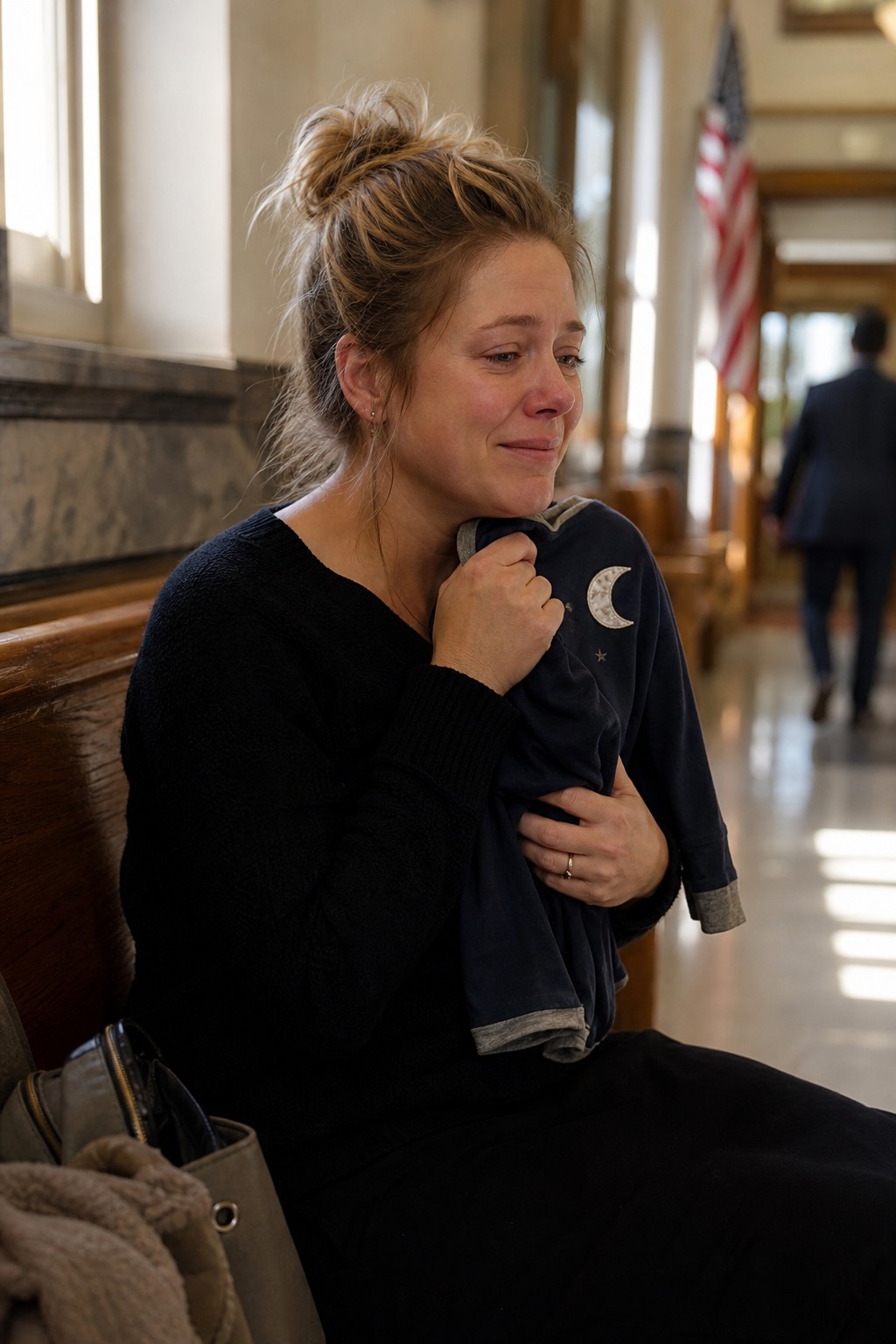
My Husband Kicked Our 18-Year-Old Son Out. A Year Later, He Returned with a Newborn and Evidence That Shattered Our Home
But I never had the courage to do anything about them. I was trapped in a cycle of inaction, paralyzed by fear.
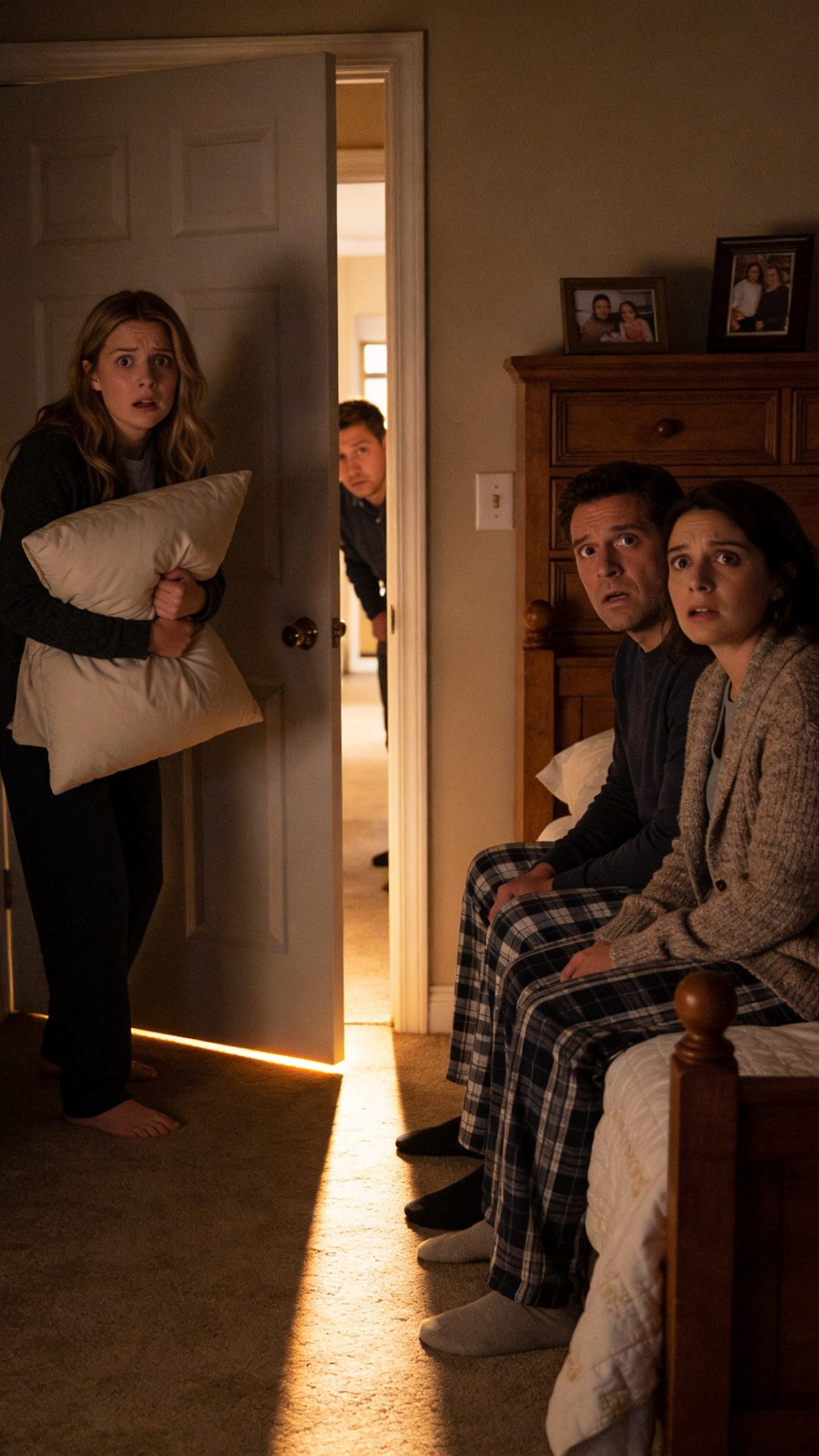
Upstairs, my husband, Tom, was on another private phone call. Lately, he had been spending more and more time in his study, the door firmly closed behind him.
Whenever I asked who he was talking to, he would brush me off, saying it was work - related. But I knew that there was more to it than that. His behavior had been changing for a while now.
He was more secretive, more distant.
He would come home from work late, his face drawn and tired. He would barely say a word to me or Jake. And when he did, it was usually to criticize or complain. I remembered one evening. He came home.
Immediately started ranting about the mess in the living room. Jake had been working on a new drawing, and his art supplies were scattered around. Tom had gone ballistic. Yelling at Jake to clean up his mess.
Stop wasting his time on "frivolous". things.
The night before, Tom had gone through the receipts from Jake's birthday dinner. He had spread them out on the dining table, his eyes scanning the numbers with a critical gaze.
He frowned at the cost of the cake, the candles, and the decorations. It was as if celebrating our son's birthday was an extravagance that we couldn't afford.
Jake had watched his father with a look of hurt and confusion on his face. He didn't understand why his father was so angry.
The Boundary Finally Held
All he wanted was a simple birthday celebration, a chance to feel loved and appreciated. But Tom had made him feel like he had done something wrong.
I had tried to intervene, to defend Jake, but my words had fallen on deaf ears. Tom had dismissed my concerns, telling me that I was being too soft on our son.
In the end, I had given up, too tired and defeated to fight anymore. I had watched as Jake had quietly gathered up the receipts. Put them away. His shoulders hunched in defeat. I had wanted to hug him.
To tell him that everything would be okay. But I had been too afraid of Tom's reaction.
The shrill ring of the phone shattered the quiet of the kitchen. I jumped, startled out of my thoughts. I picked up the phone and saw that it was my sister, Lisa. I answered the call, grateful for the distraction. "Hello?" I said, trying to sound calm.
"How did Jake's birthday go?" Lisa asked. Her voice was filled with genuine concern, and I could hear the worry in her tone. I took a deep breath, trying to steady my nerves. "Quietly. Tom barely spoke to him,"
I replied, my voice dropping to a whisper. I didn't want Tom to overhear our conversation. I glanced up at the stairs, half - expecting to see him standing there, listening.
Lisa had always been vocal about her concerns regarding how Tom treated Jake. She had seen the way Tom would belittle Jake. Undermine his dreams. And make him feel like he wasn't good enough.
She had been telling me for years that I needed to do something [exit:0 | 106013ms] What The Evidence Changed The part no one in the room understood at first was that the humiliation had never been the whole story.
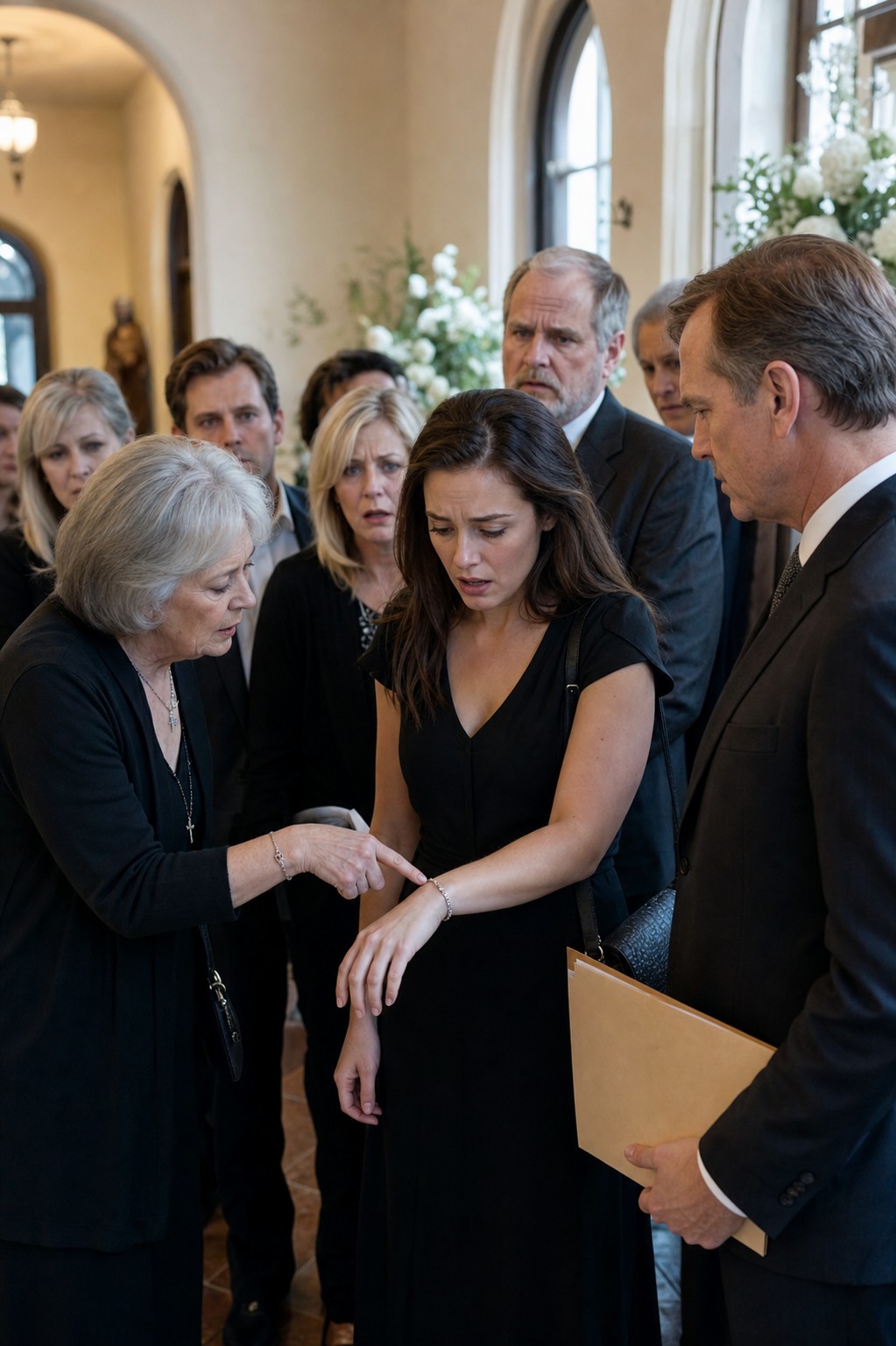
It was only the visible edge of a much larger pattern. The kind of pattern that leaves receipts. Messages. Changed locks. Missing documents. And frightened silences behind it.
That was why the next hour mattered. The first accusation sounded emotional, but the evidence did not. The records were dated. The screenshots were saved.
The Consequence Everyone Remembered
The timeline was plain enough that even the people who wanted to deny it had to stop pretending the conflict had appeared from nowhere.
One by one, the small details began to connect. A comment that had once seemed cruel became proof of intent. A missing item became proof of control. A rushed explanation became proof that someone had expected obedience instead of questions.
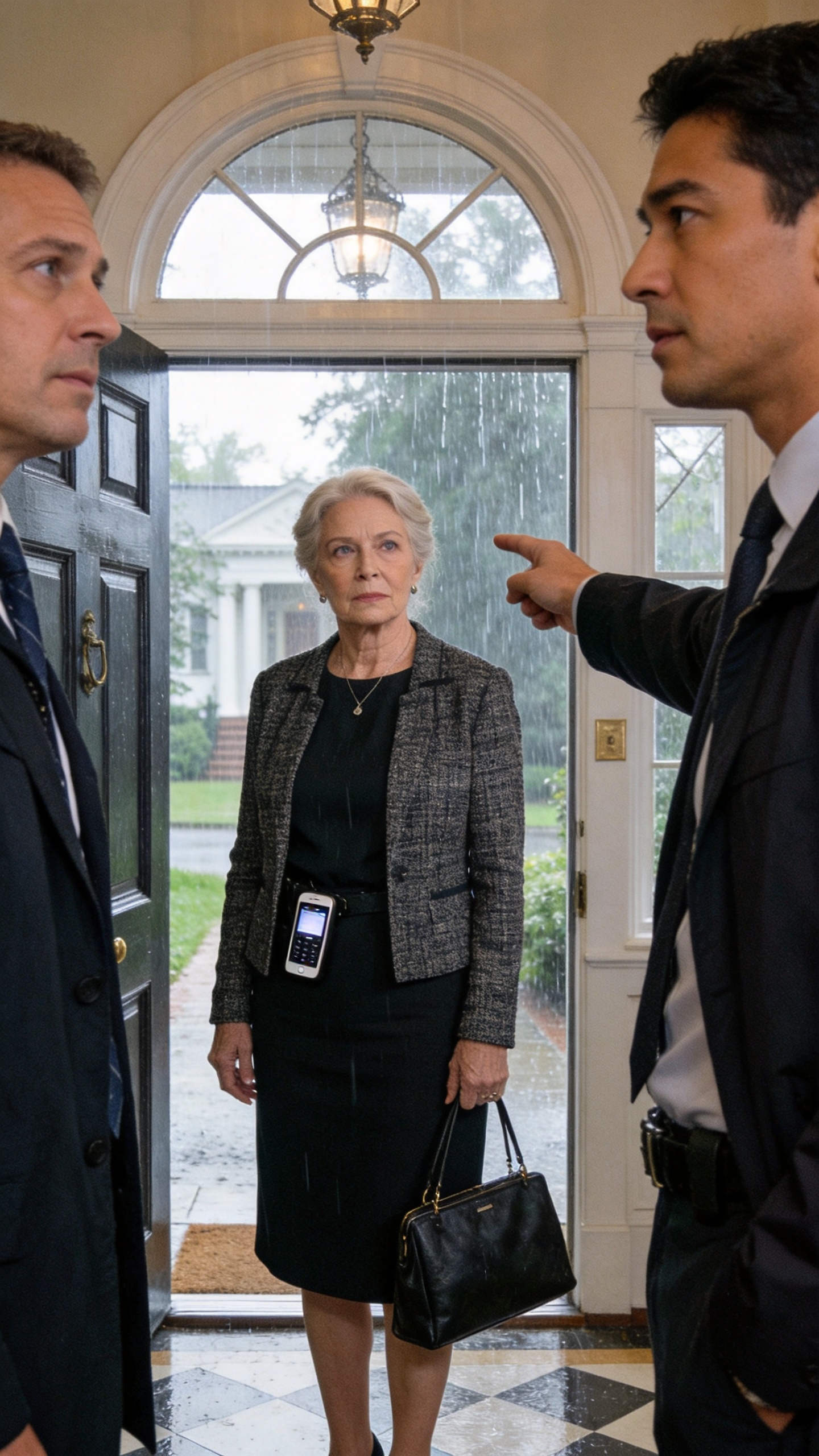
The family tried to pull the scene back into familiar territory. They wanted apologies, private conversations, and a quiet ending that protected the person who had caused the damage.
But the story had already moved past that. What happened next had to be witnessed, documented, and answered.
No one shouted for a few moments. That silence carried more pressure than yelling would have. It gave everyone enough time to understand that the person they had dismissed was no longer asking to be believed. The proof was already in front of them.
The most painful part was not the money, the property, the marriage, or the public embarrassment. It was the certainty that the betrayal had been planned around kindness. Someone had counted on forgiveness arriving before accountability.
That calculation failed. Every document was copied. Every message was forwarded to the right person. Every promise that had been twisted into a weapon was placed back in its proper order. Where it could finally show what had really happened.
By the time the last explanation came, it no longer sounded like an explanation. It sounded like bargaining. The people who had demanded control now wanted mercy. The people who had laughed at the pain now wanted privacy.
But privacy was not the same as peace. Peace required the truth to stand where the lie had been. It required consequences that could not be softened by tears. Charm. Or another family meeting behind a closed door.
So the final decision was made calmly. There was no dramatic speech, no performance designed to wound back. There was only a boundary. Clear enough that everyone understood it. Firm enough that no one could step around it again.
The aftermath did not fix everything overnight. Trust does not return just because the guilty person has run out of excuses. The days that followed were quiet. Practical. And heavy with all the ordinary work of rebuilding a life. Betrayal.
Still, something important had changed. The person who had been cornered at the beginning of the story was no longer standing in that corner. The shame had moved. The power had moved. And for the first time.
The ending belonged to the person who had survived the cruelty instead of the people who had arranged it.
That was the payoff hidden inside the entire conflict: not revenge for its own sake. But the restoration of reality. The lie had needed confusion to survive. Once the facts were placed in order, the lie had nowhere left to hide.
Long after the room emptied, the decision remained. It protected the future in a way an apology never could. It made clear that love, family, marriage, and loyalty cannot be used as disguises for control.