She Snipped My Little Girl's Dress In Front Of The Whole Ballroom And Said, "Children Like Her Don't Wear Satin." Then The Diamond Locket Around My Daughter's Neck Opened And Exposed The Baby My Family Had Buried For Years
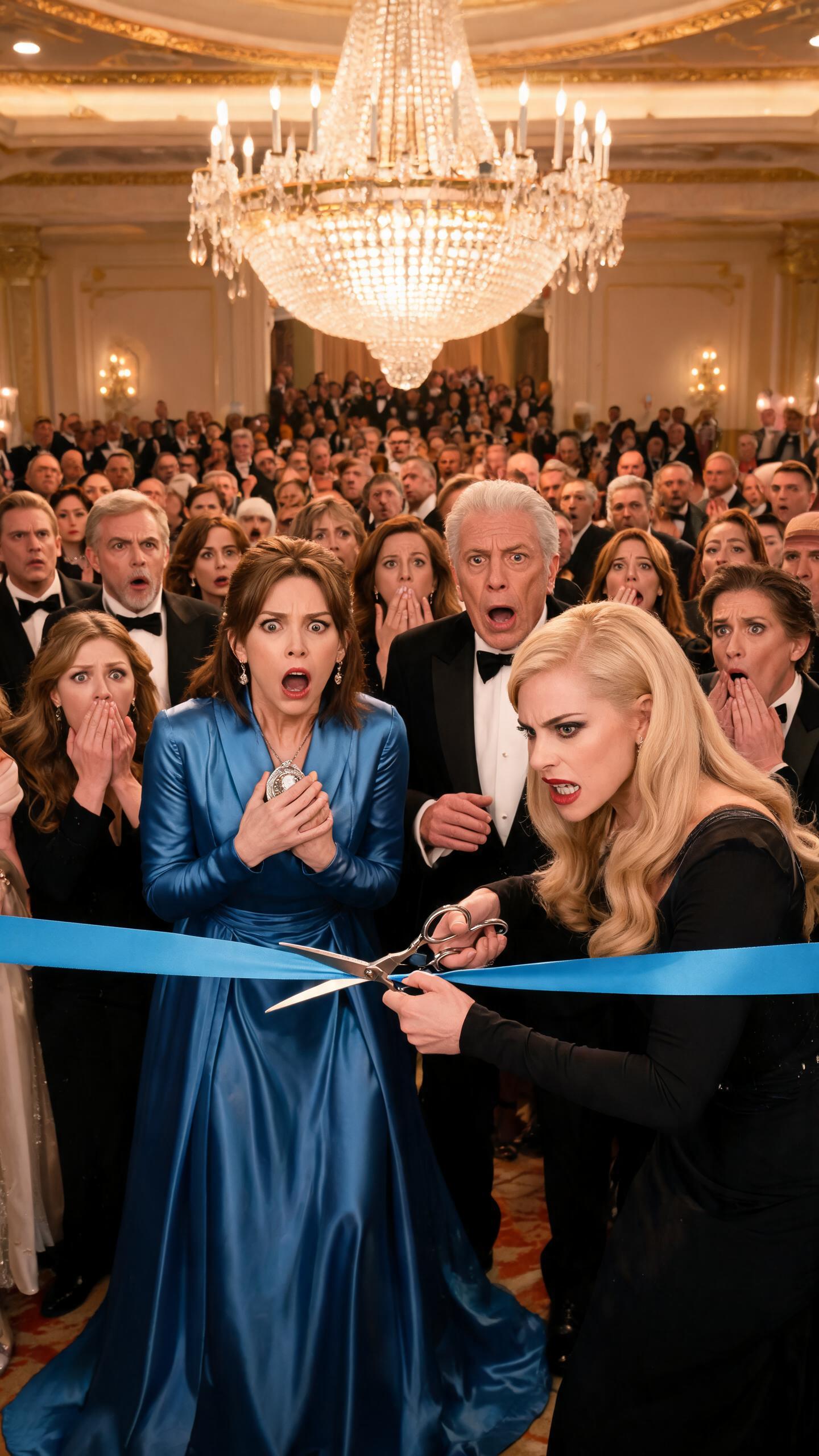
The first sound was the scissors closing.
Not my daughter crying.
Not the orchestra stumbling over the same soft note.
The scissors.
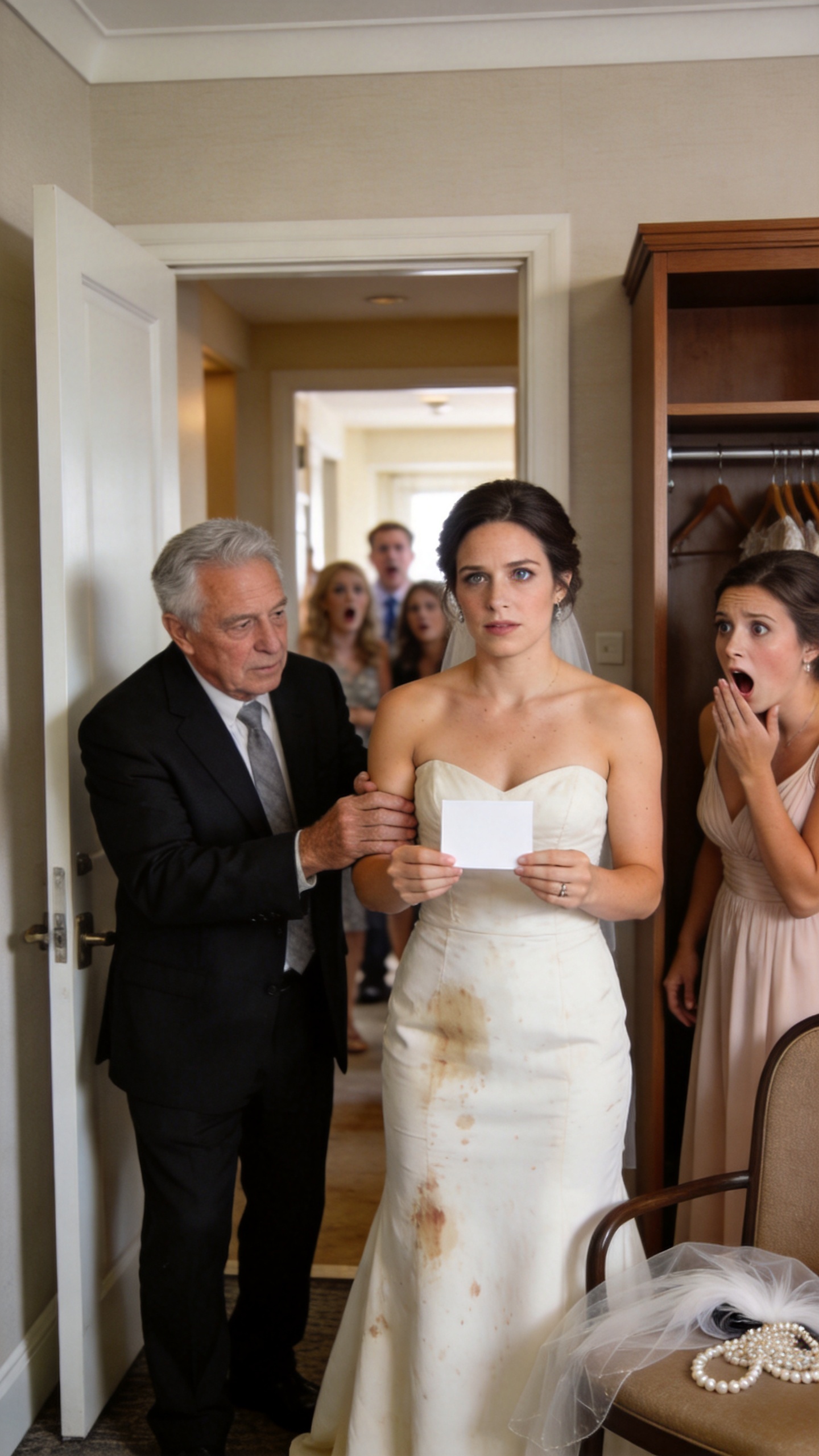
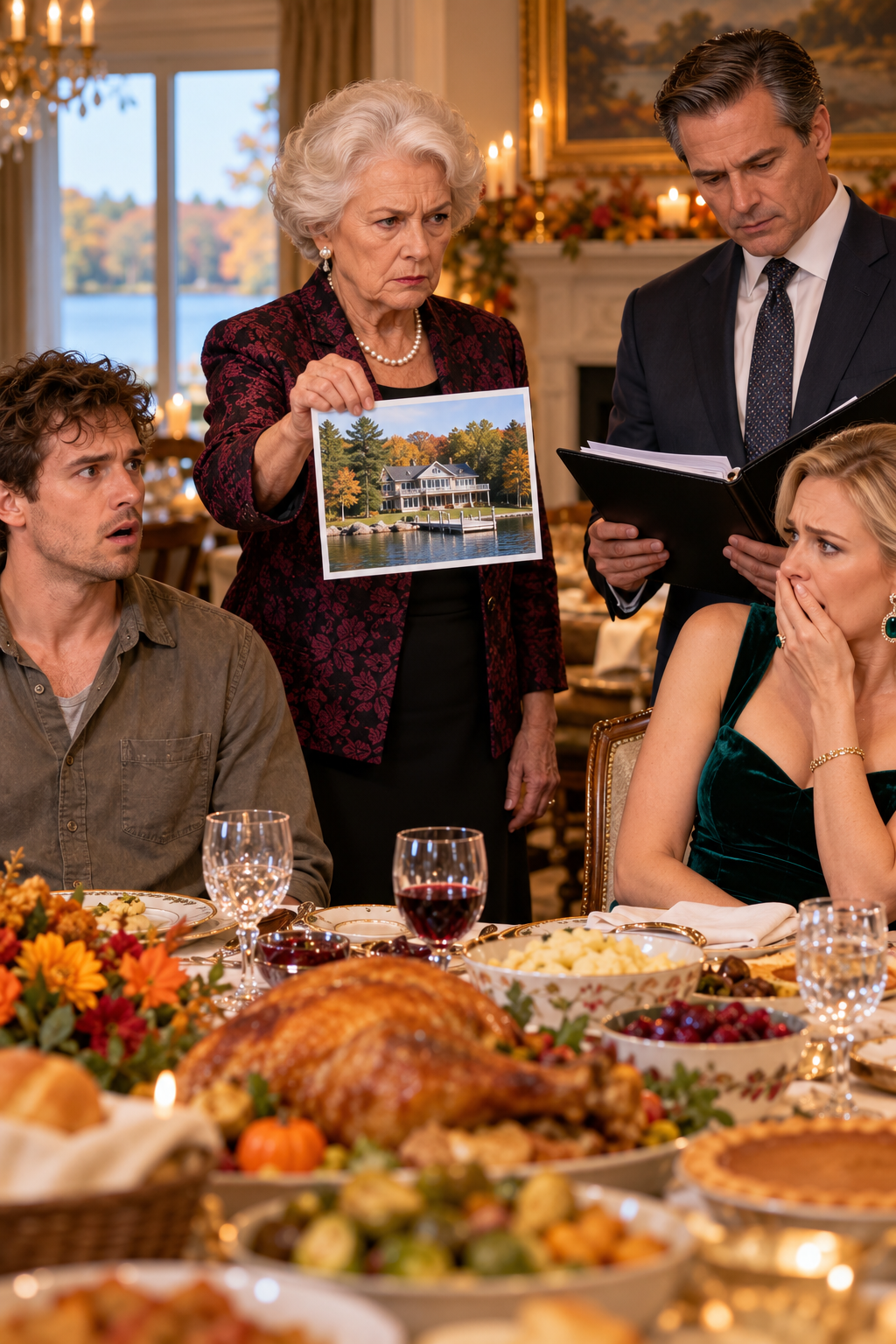
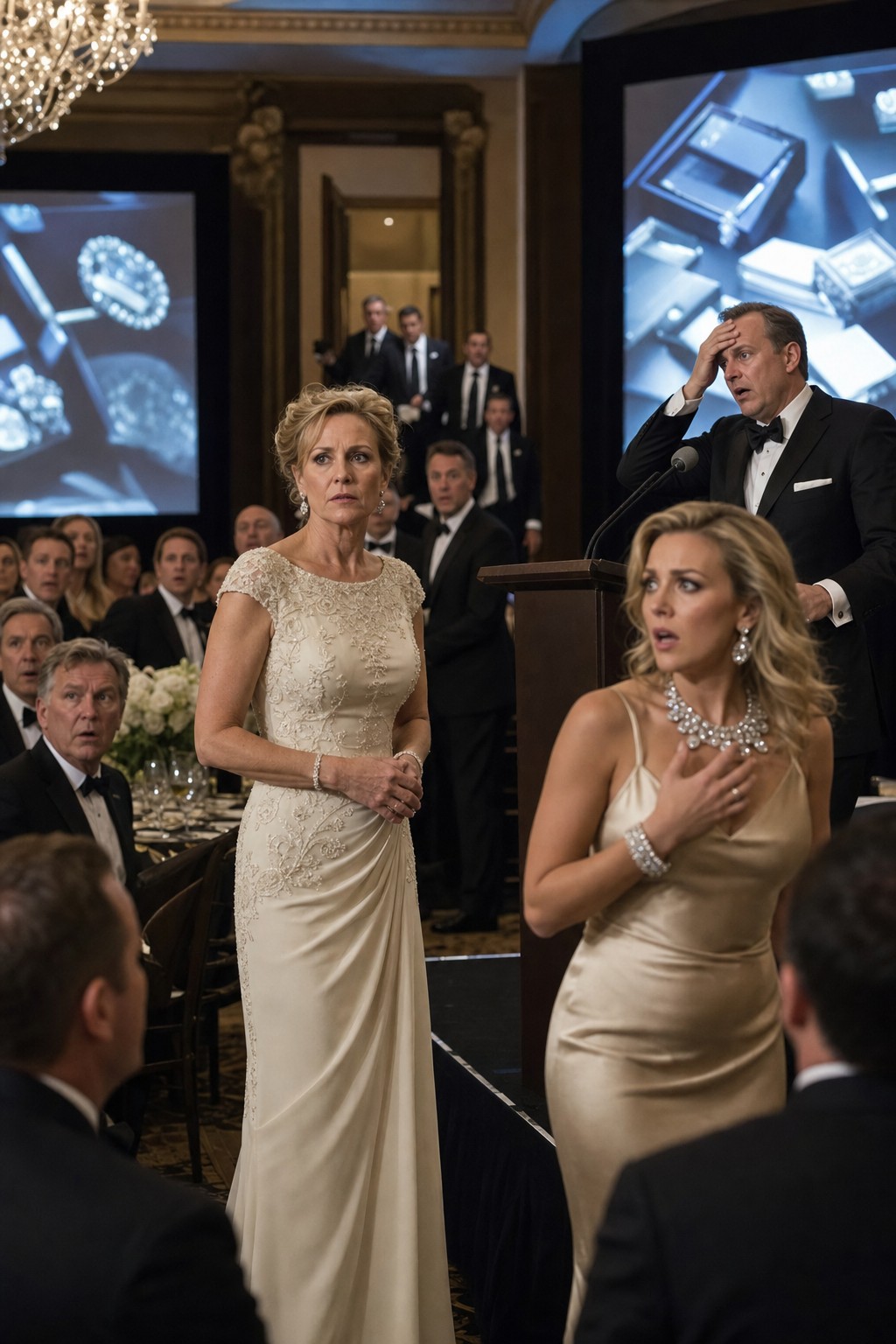
One cold metallic snap cut through the Beaumont Heritage Ballroom, and the left strap of my nine-year-old daughter's blue satin dress fell loose against her shoulder.
Mara froze in the middle of the marble floor with both hands clutching the fabric to her chest.
Around her, three hundred guests stopped under chandeliers bright enough to make every diamond and champagne glass glitter.
My stepmother, Celeste Beaumont, stood in front of her in a pearl-colored gown, holding the gold-handled scissors like she had trimmed a loose thread instead of humiliated a child.
"Children like her," Celeste said, loud enough for the nearest tables to hear, "do not wear satin in this room."
A few people gasped.
More people looked away.
That was the part that cut deeper than the dress.
They all saw a little girl trying not to cry in a ballroom full of adults, and almost every one of them chose the safety of silence.
Mara's lower lip trembled.
"I didn't steal it," she whispered. "Mama said it was mine."
Celeste laughed.
"Your mother lied about many things."
I was halfway across the ballroom when she said it.
I had come through the staff corridor because that was the only entrance I knew would still be unlocked. I had not stepped inside the Beaumont mansion for eight years. Not since the night my father told the papers I had run away in disgrace. Not since my daughter was born under another name in a hospital two states away.
But Mara had begged to attend the foundation ball.
She had found the old invitation inside my cedar chest, along with the locket I had wrapped in tissue and hidden beneath winter scarves.
"Just one night," she had said. "I want to see where you grew up."
I should have said no.
I did say no.
Then she asked one question I could not answer without bleeding.
"If Grandpa loved you once, why can't he know me?"
Now my daughter stood in the center of the room where my portrait used to hang, holding her torn dress while the woman who had destroyed my life smiled at her.
And behind Celeste, on the raised platform near the orchestra, my father finally turned.
Arthur Vale Beaumont was seventy-two, silver-haired, straight-backed, and still powerful enough to make a ballroom adjust its breathing when he moved. He had built hotels across five countries and charities across three continents. He had my mother's photograph in every foundation brochure.
He had also spent eight years believing I was dead.
His gaze found Mara first.
Then the torn satin.
Then the diamond locket shining against her throat.
His face changed before he recognized her.
Because he recognized the locket.
The Necklace Was Supposed To Stay Buried With Me
"Take that off her," Celeste said.
Her voice cracked on the word that.
Not because of the dress.
Not because of the guests.
Because the locket had shifted beneath the chandelier light, revealing the tiny falcon crest engraved on the back.
The Beaumont crest.
My mother's crest.
Arthur stepped down from the platform slowly.
For a man who had crossed entire rooms with kings and senators waiting on his handshake, he looked suddenly unsteady.
"Where did you get that necklace?" he asked.
Mara pressed both hands over it.
"My mother gave it to me."
Celeste moved faster than I expected.
She reached for Mara's neck.
I caught her wrist before her fingers touched my child.
For half a second, Celeste did not know who had stopped her.
Then she saw my face.
The color drained from her cheeks so completely that even her lipstick looked wrong.
"No," she breathed.
One word.
Eight years of lies inside it.
The ballroom began to murmur.
My father stopped ten feet away.
He stared at me as if I were a photograph dragged out of a house fire.
"Juliet?"
My name in his mouth almost broke me.
I had imagined that moment for years in cheap apartments, hospital rooms, bus stations, and motel bathrooms where I washed blood from my hands after Celeste's men found us again. In every version, I had something sharp and perfect to say.
In the real room, I only said, "Do not let her touch my daughter."
My father looked from me to Mara.
"Your daughter?"
Celeste laughed then.
It was a thin, ugly sound, but she needed the room to hear confidence.
"Arthur, this is a performance. You know what grief did to her. You know what she was like at the end."
At the end.
As if I had died neatly.
As if my body had been recovered from the north wing after the fire.
As if my infant had not been declared lost before anyone had searched the garden road.
My father took one more step toward us.
"Open the locket," he said.
Celeste snapped, "Absolutely not."
Arthur did not look at her.
"Open it."
Mara's fingers shook too badly to manage the clasp.
I knelt in front of her and covered the ripped strap with my shawl. She had been so proud of that dress. We had bought it from a consignment shop and altered it ourselves at the kitchen table, taking turns pinning the hem while soup simmered on the stove.
"It's okay," I whispered.
"Mama, I want to go home."
"I know."
"Why is everyone looking?"
Because rich people preferred a ruined child to an uncomfortable truth.
Because my family had made a sport of looking when a woman fell and looking away when someone pushed her.
Because the woman behind us had spent eight years teaching them which version to believe.
I opened the locket.
Inside was a miniature photograph of me at twenty-four, pale and exhausted in a hospital gown, holding newborn Mara wrapped in blue cotton.
Behind the photograph was a folded strip of paper the size of my thumb.
My mother's handwriting.
Arthur's breath left him.
"Elena wrote that."
Celeste stepped backward.
Not enough for anyone else to notice.
Enough for me.
My father reached for the paper with hands that had signed billion-dollar contracts without trembling.
He unfolded it.
The first line made him close his eyes.
If this child ever wears my necklace, Arthur, believe the woman standing beside her.
The room shifted.
The old guests knew my mother's handwriting. Some of them had received notes from her after funerals, births, illnesses, and scandal. Elena Beaumont had been the warm part of a cold house.
Celeste had spent years trying to imitate her.
She had never managed the kindness.
My father read the rest silently.
Then he looked at Celeste.
"You told me Juliet died in the fire."
Celeste lifted her chin.
"That is what the reports said."
"You arranged the reports."
The sentence was quiet.
It hit the room harder than shouting.
Everyone Remembered The Fire Differently Once I Was Alive
Eight years earlier, my mother had been dead for only four months when Celeste took over the house like a woman finally moving into a dress she had already chosen.
She changed the staff.
Changed the locks.
Changed the charity accounts.
She said my father needed peace.
What she meant was access.
I was pregnant then and unmarried, and Celeste used that like a knife with a jeweled handle.
At breakfast she called me unstable.
At board meetings she called me emotional.
At dinners she told donors I was "recovering from poor choices" while her hand rested on my father's sleeve like a claim.
My father was grieving enough to believe anyone who spoke firmly.
Then the fire happened.
It began in the north wing near my nursery.
That was the story.
The truth was that I had been drugged in my own bedroom, carried down a service staircase, and woken in a clinic with no windows and no phone. A nurse I had never met told me my father had signed papers committing me for psychiatric care after a postpartum break.
Except Mara was not born yet.
She came three weeks later in that same clinic, while rain battered the roof and one terrified orderly whispered that I needed to run because the woman paying the bills had changed her mind about the baby.
I ran.
I ran with stitches, fever, a newborn in a donated blanket, and my mother's locket clenched in my fist.
For years, Celeste sent people after us.
Not every month.
Just often enough to keep me moving.
When Mara was three, a man appeared outside her preschool claiming to be from child services.
When she was five, our apartment was searched while we were at the laundromat.
When she was seven, my bank account froze for no reason and reopened under a different name with half the money missing.
I learned how to disappear from a woman who had learned how to bury people while they were breathing.
But children do not understand survival as love.
Mara saw locked doors and whispered phone calls.
She saw a mother who flinched at black cars.
She saw a beautiful old invitation and wanted to know why she had no grandfather.
Now he stood in front of us, and all those years pressed between us like glass.
"Juliet," he said again.
Celeste moved suddenly.
"Arthur, she is manipulating you. Look at her. She appears tonight out of nowhere with a child and an old necklace on the very night the foundation trustees are voting on the succession amendment. You cannot be this naive."
There it was.
The real reason she was terrified.