"Don't Do Anything Reckless," My Husband Texted After His Affair Was Exposed. He Thought I Was Breaking Down, But I Already Held The Documents That Made His Board Choose Me
He praised my judgment while excluding me from decisions.
He praised my family name while trying to hollow out the trust that carried it.
By the time I finished the transaction file, the photographs of him with Mara felt almost small.
Not painless.
Small.
They were the visible crack in a building already burning behind the walls.
The Employees Understood Before The Press Did
News of Julian's suspension reached the company before the official statement.
It always does.
Assistants whisper.
Phones glow.
Elevators become confessionals.
By three o'clock, my inbox was full.
Some messages were cautious.
Some were political.
Some were brave in a way that made me sit very still.
A warehouse supervisor wrote that pension rumors had been circulating for months.
A finance analyst sent a spreadsheet showing unusual urgency around asset valuation.
A retired executive assistant wrote one sentence: Your father would have wanted you to look at the South Dock leases.
So I looked.
The South Dock leases were supposed to remain under company control because they protected shipping access for three regional facilities.
Julian's sale draft moved them into a separate entity.
That entity connected to the foreign fund.
The fund connected to a compensation vehicle.
The vehicle connected back to Julian.
It was elegant.
That almost made it worse.
Careless theft would have been easier to hate.
This was patient.
Designed.
Polished.
The same qualities people had praised in him for years.
I called Ruth.
"Add South Dock to the audit."
She was quiet for one breath.
"Already did."
That was when I knew I had chosen the right lawyer.
Julian Tried To Turn Loneliness Into Evidence
The first leak appeared two days later.
Anonymous sources claimed I had been isolated, unstable, and devastated by marital betrayal.
They said I had never shown interest in operations.
They said I was being manipulated by old family advisers.
They said Julian was trying to protect the company from a private breakdown.
The language was familiar because I had seen drafts in Mara's email folder.
He had prepared the story before he needed it.
That hurt more than the public insult.
He had not only betrayed me.
He had anticipated my defense and designed a cage for it.
Ruth wanted to respond with documents immediately.
I asked for one hour.
I went home, stood in the dressing room where the morning had begun, and looked at the woman in the mirror.
The old Celia would have feared looking angry.
The old Celia would have written a graceful statement about privacy and transition.
The old Celia would have protected the company's dignity by swallowing her own.
I was tired of being old Celia.
The statement we released was short.
It did not mention the affair.
It did not mention my feelings.
It listed the governance trigger, the undisclosed transaction, the audit scope, and the board's unanimous action.
Then it said: The company will not be sold through undisclosed side agreements.
The market understood that sentence.
Employees understood it too.
By morning, the gossip had changed direction.
Julian's allies stopped calling.
Reporters started asking about the transaction instead of the hotel.
The cage he built for my emotions could not hold the facts.
My Father Had Prepared Me Without Turning Me Hard
I used to resent how much of my childhood happened around conference tables.
Other girls learned dances.
I learned debt covenants.
Other girls had bedtime stories.
My father explained why a beautiful proposal could still be a trap if the exit clause was ugly.
After he died, I told myself I was done living inside his lessons.
Then Julian used my wish for softness against me.
He thought because I wanted a marriage, I had surrendered the training.
He thought because I made homes out of rooms and remembered employees' children's names, I would not know how to remove him from power.
He confused tenderness with vacancy.
That was his oldest mistake.
During the audit, I visited one of the regional warehouses my father had saved in the early years.
The manager, a woman named Gloria, walked me past loading bays and forklifts and men who looked at me with careful hope.
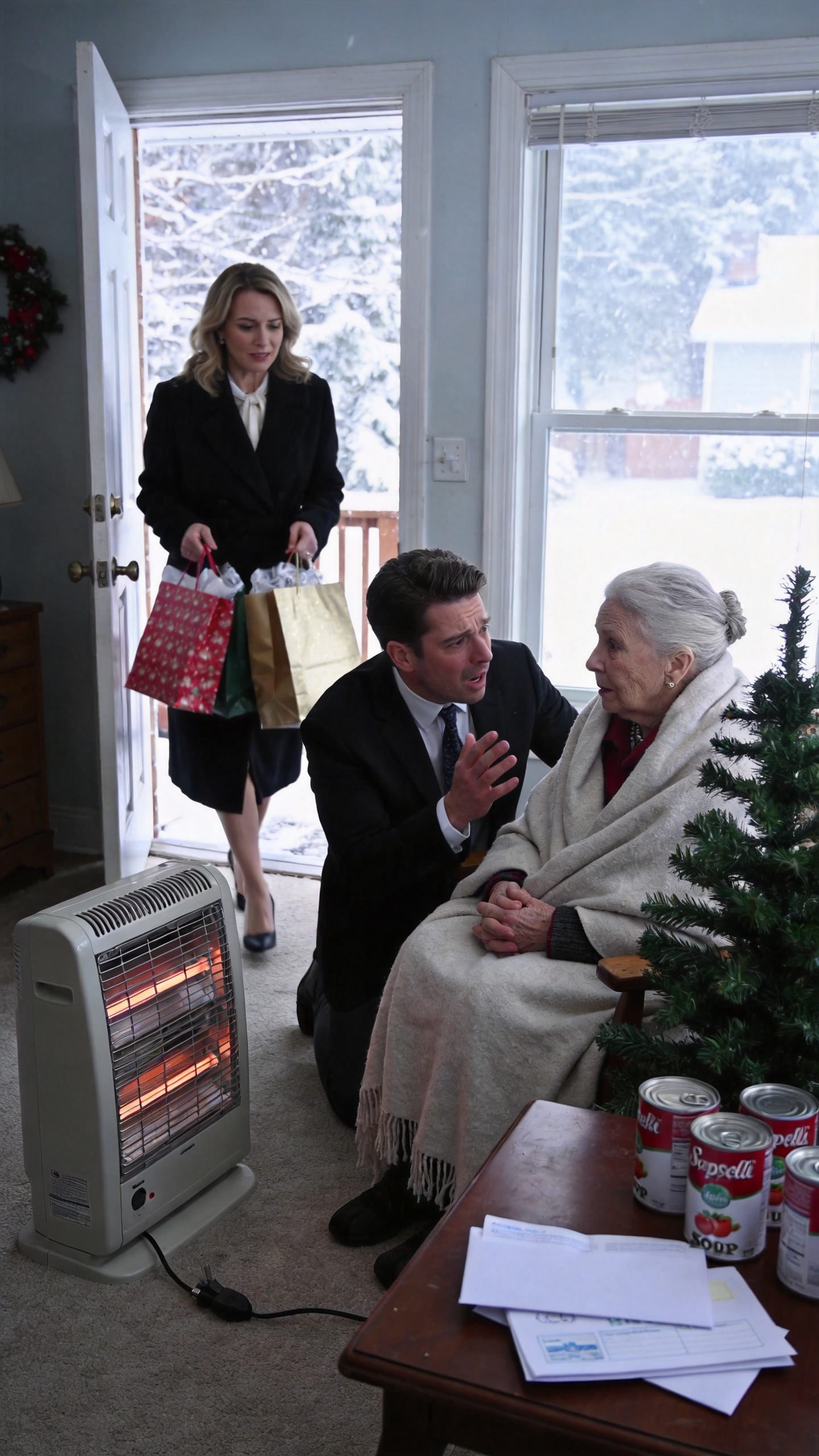
"Your father used to come here every December," she said. "Not for speeches. He checked the heaters."
I had forgotten that.
Or maybe I had been too young to understand.
Power, in my father's best moments, meant checking whether people were cold.
Julian's power meant arranging rooms so everyone admired the suit.
That difference became my compass.
When the board offered me the permanent chair role, I did not accept because I wanted Julian's seat.
I accepted because the company needed someone who understood that legacy was not a portrait in a hallway.
It was a responsibility with names, wages, pensions, and locks on doors that should not be sold quietly to enrich one man.
When The Marriage Ended, The Warning Text Became Evidence Of Something Else
I kept the first text.
Don't do anything reckless.
At first, it felt like an insult.
Then it became a summary.
Julian's whole marriage to me had depended on that sentence.
Do not react.
Do not embarrass.
Do not ask publicly.
Do not force the room to see what I have done.
Do not be reckless.
But recklessness was not the opposite of silence.
Documentation was.
Procedure was.
Standing up in the room where he expected me to fold was.
At the final mediation session, Julian looked older.
Not humbled exactly.
Men like him often confuse consequences with cruelty.
"You could have come to me privately," he said.
I almost smiled.
"You built the harm privately. I corrected it where it could be stopped."
He said nothing.
There was nothing left that charm could repair.
The black portfolio now sits in my office safe.
Not because I expect to need it again.
Because it reminds me that my father did not leave me revenge.
He left me permission.
Permission to stop performing grace for people who depend on my silence.
Permission to protect what is mine.
Permission to understand that sometimes the most disciplined thing a woman can do is refuse to disappear on command.
The Board Had To Learn That Charm Was Not A Control System
In the first week after I became acting chair, directors kept arriving at my office with versions of the same confession.
They had wondered.
They had noticed.
They had felt uncomfortable.
They had assumed someone else had checked.
Those phrases made me angrier than open betrayal.
Because companies do not collapse only from villains making plans.
They collapse from polite people deciding discomfort is not their department.
I made each director review the committee failures tied to the sale.
Not as punishment.
As anatomy.
We marked where Julian had bypassed normal review.
We marked where Mara's communications team had softened language.
We marked where my absence had been recorded as preference instead of exclusion.
Then we rebuilt the approval process so no future executive could hide a private deal behind charisma and urgency.
One director complained that the new controls would slow us down.
I asked him whether he preferred fast theft.
He did not complain again.
The employees noticed the change before the press did.
Questions were answered in writing.
Pension meetings were held in person.
The South Dock leases were removed from the sale package and reaffirmed under company control.
Gloria from the warehouse sent a short email after that announcement.
Thank you for checking the heaters.
I printed it and kept it in my top drawer.
That line meant more to me than any headline.
It meant someone understood what kind of legacy I was trying to protect.
Julian's Last Strategy Was To Sound Sorry Without Being Accountable
When the prosecutors began asking questions, Julian changed tone.
The arrogant statements stopped.
The leaks stopped.
The messages through mutual friends began.
He was devastated.
He was ashamed.
He missed his wife.
He wanted to make amends.
Each sentence sounded almost human until Ruth placed it beside the legal posture his attorneys were taking.
There, he denied knowledge.
There, he blamed Mara.
There, he claimed the side letter was exploratory.
There, he suggested my father had created a confusing trust structure that I had misunderstood.
Private remorse and public denial cannot live in the same room and call themselves repentance.
At mediation, he tried the softer voice.
"Celia, we lost ourselves."
I looked at him for a long time.
There was a version of me that wanted to weep over that sentence.
It sounded shared.
Almost tender.
But we had not lost ourselves.
He had chosen himself repeatedly and hidden the receipts.
I had lost sight of myself trying to turn those choices into marriage.
"No," I said. "You knew where you were. You just hoped I would stay lost."
His face hardened then.
For a second, I saw the man under the apology.
It helped.
Taking The Chair Did Not Feel Like Winning
The day the board voted to make me permanent chair, reporters waited downstairs.
They wanted a triumphant image.
Wronged wife takes empire.
Heiress defeats cheating husband.
Boardroom revenge.
Those headlines were useful but incomplete.
Inside the boardroom, there was no music.
There were legal updates, operational risks, employee concerns, and a company trying to remember its own spine.
When the vote passed, the chairwoman who had guided the emergency session squeezed my hand.
"Your father would be proud."
I wanted that to feel simple.
It did not.
Pride and grief arrived together.
I wished my father had been wrong about Julian.
I wished I had opened the portfolio years earlier.
I wished power did not so often arrive dressed as cleanup.
Then I looked through the glass wall at the employees moving beyond the conference room, people whose mortgages, medical insurance, retirements, and ordinary Tuesdays depended on decisions made at that table.
The self-pity left quickly after that.
Responsibility has a way of cutting through drama.
I accepted the role.
Not as revenge.
As repair.
The Affair Became A Footnote Because The Real Story Was Ownership
Months later, a journalist asked whether I regretted not speaking publicly about the affair in more detail.
I said no.
Julian had wanted the story to stay there.
Bodies in a hotel hallway.
A humiliated wife.
A mistress.
A scandal people could digest without reading a single document.
But the real story was ownership.
Who owned the company.
Who owned the voting rights.
Who owned the right to decide whether legacy could be sold for private gain.
Who owned my voice after years of being praised for not using it too loudly.
The affair made the world look.
The documents made the world understand.
That is why I still keep them close.
Not because I am afraid Julian will return.
Because I know how quickly women are encouraged to trade paper for feelings when feelings make a cleaner headline.
I will never make that trade again.
The black portfolio taught me that truth does not need to shout to change a room.
It only needs to be opened at the right table, by the person everyone expected to remain silent.
The Woman He Expected To Break Became The Record Keeper
After everything settled, I reread the texts from that morning one final time.
They formed a perfect little ladder of control.
First warning.
Then concern.
Then accusation.
Then instruction.
Julian had not been improvising. He had been using the same pattern he used in meetings, in marriage, and in every room where he wanted people to doubt their own authority before questioning his.
Seeing that pattern helped me forgive myself for missing pieces of it earlier.
Manipulation rarely arrives as a villain speech.
It arrives as practical advice.
It arrives as protection.
It arrives as a man saying he knows how the world works and you should let him handle the ugliness.
For years, I let Julian handle the ugliness.
That was how he hid so much of it from me.
Now I keep records differently.
Not obsessively.
Clearly.
Every decision has a trail.
Every executive action has review.
Every person at the table knows that charm is welcome but never sufficient.
Sometimes, during long meetings, I catch my reflection in the glass and remember the woman standing in the dressing room with a phone in one hand and a portfolio in the other.
She thought she was about to lose everything.
She was actually about to stop giving everything away.
That is the part no headline captured.
The scandal did not make me powerful.
The power was already mine.
The scandal only forced me to stop pretending it was safer in someone else's hands.
That is why I no longer apologize for reading the fine print.
Fine print is where people like Julian hide exits for themselves and traps for everyone else.
My father taught me to read it.
My husband taught me why I must never stop.
And this time, nobody else got to translate that truth for me.