Savannah Chrisley Walked Onto The View and Instantly Turned a Guest Spot Into a Culture-War Flashpoint
Television bookings used to be judged mainly by chemistry, surprise value, and ratings potential. In 2026, they are judged just as much by what they signal politically.
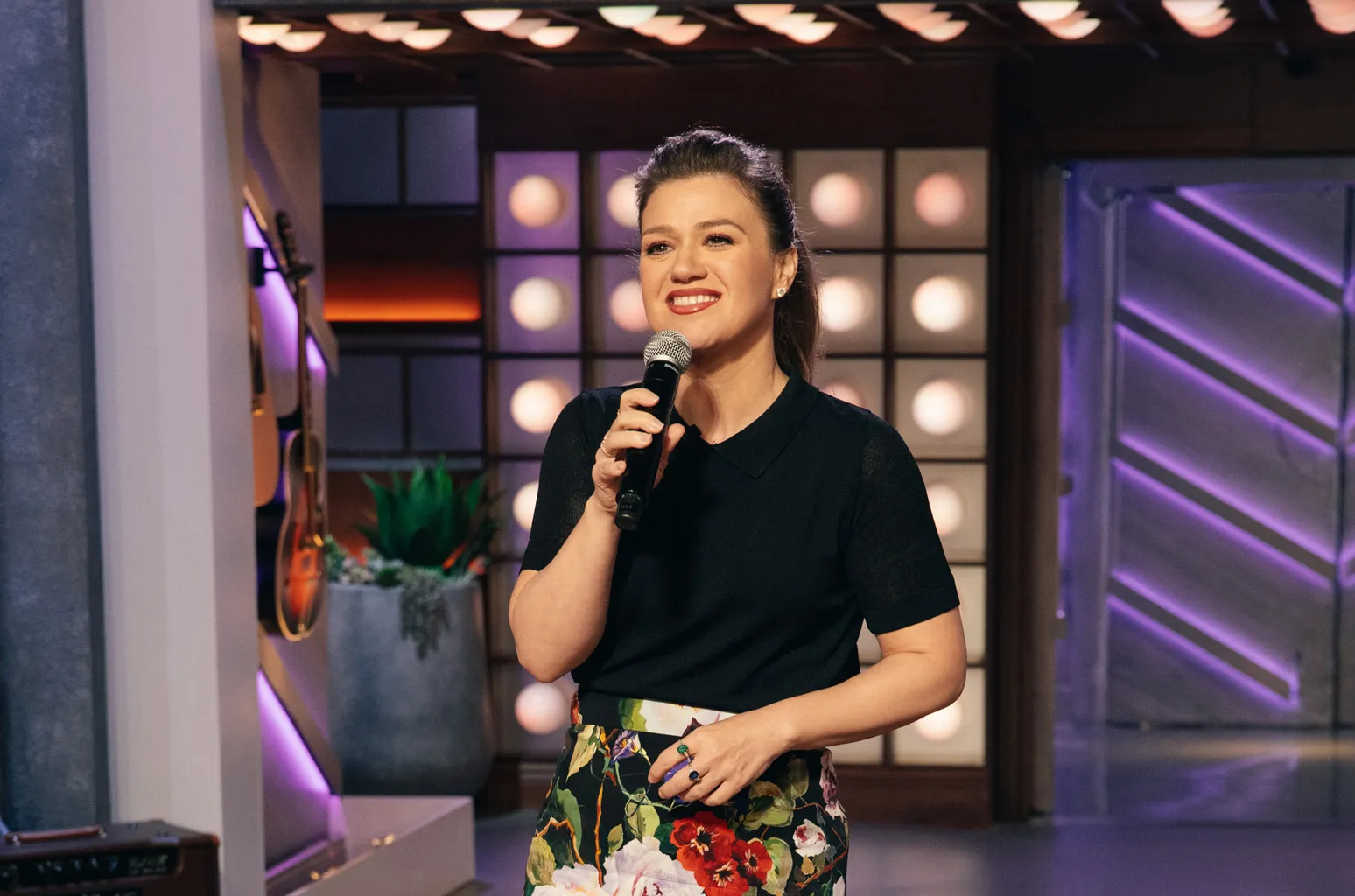
That is why Savannah Chrisley’s guest-host appearance on “The View” became controversial almost before the segment had fully unfolded. People were not simply reacting to Chrisley as a reality-TV personality or public figure. They were reacting to the meaning attached to her presence on one of daytime television’s most symbolically charged tables.
“The View” has always presented itself as a place where disagreement is the product. Viewers tune in for clashes of tone, ideology, and personality.
But there is a difference between ongoing disagreement among expected voices and the arrival of a guest whose public associations already trigger strong reactions before she says very much. Chrisley carried that baggage onto the set.
To supporters, her booking looked like an overdue challenge to a program often accused of ideological predictability. To critics, it looked like a provocative stunt designed to generate outrage and force attention.
The pace of the backlash made the whole moment even more revealing. Calls for viewers to tune out or boycott appeared almost immediately online, which showed how little patience audiences now have for separating television from broader political identity.
A guest booking no longer feels like a temporary programming choice. It feels like an editorial statement. That is especially true for “The View,” where the guest chair is never just a chair. It represents who is being welcomed into the show’s version of public conversation.
Chrisley’s appearance became bigger than anything said in a single segment because it exposed the central gamble of modern daytime TV.
Producers want buzz. Buzz increasingly comes from ideological friction. But once friction becomes the main attraction, every booking risks being interpreted less as conversation and more as provocation.
That may drive attention, but it also erodes trust among viewers who want the show to reflect a certain identity or moral boundary.