General Hospital Was Pulled Off the Schedule Again—and Viewers Are Taking It as More Than a TV Delay
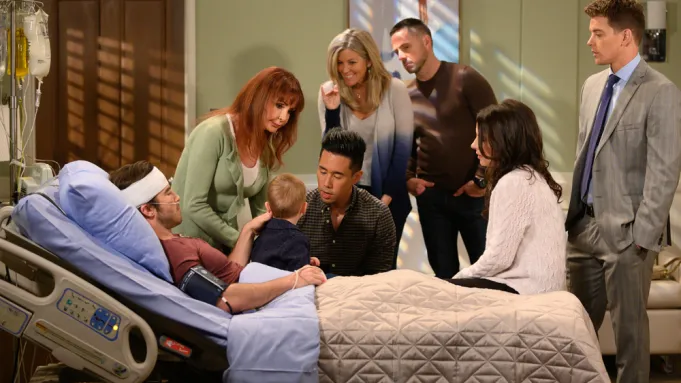
To executives, a daytime preemption may look like a scheduling adjustment. To loyal soap viewers, it can feel like a message about what still matters and what no longer does. That is why the latest interruption to “General Hospital” landed with such force.
On paper, ABC had a reason for shifting the episode and later clarifying the new airdate. But for many fans, the problem did not begin or end with one altered afternoon.
It tapped into a much older fear that soaps are now treated as expendable pieces of the television schedule rather than as cultural institutions with audiences who still show up faithfully.
“General Hospital” is not just another program to its viewers. It is habit, ritual, and memory. Some fans have spent decades following families, betrayals, romances, medical crises, courtroom twists, and dramatic returns.
They know character histories the way sports fans know statistics.
When a show like that is pulled without much warning, the disruption feels personal because the relationship is personal. Streaming audiences are used to flexibility.
Soap viewers are used to appointment viewing. Break that rhythm too often and frustration stops being about inconvenience; it becomes about respect.
The recent backlash also grew because this was not experienced as an isolated hiccup. Repeated preemptions create a cumulative effect.
Fans begin asking whether the network truly values the show, whether the daytime audience still counts strategically, and whether interruptions are being handled with the urgency that a long-running brand deserves.
Once those questions enter the conversation, each new schedule change starts to carry symbolic weight far beyond the missed episode itself.
That emotional intensity may surprise outsiders, but it should not. Soap audiences have spent years watching their genre shrink while still being asked to prove its relevance over and over again. They know daytime dramas are no longer treated as the center of television culture. They also know few genres inspire this level of long-term loyalty.
So when “General Hospital” is moved again, viewers are not only reacting to one day’s inconvenience. They are reacting to a larger pattern in which the genre often seems to survive on borrowed institutional patience.