Dave Chappelle's Hint About Bringing Back Chappelle's Show Has Fans Excited, Nervous, and Divided
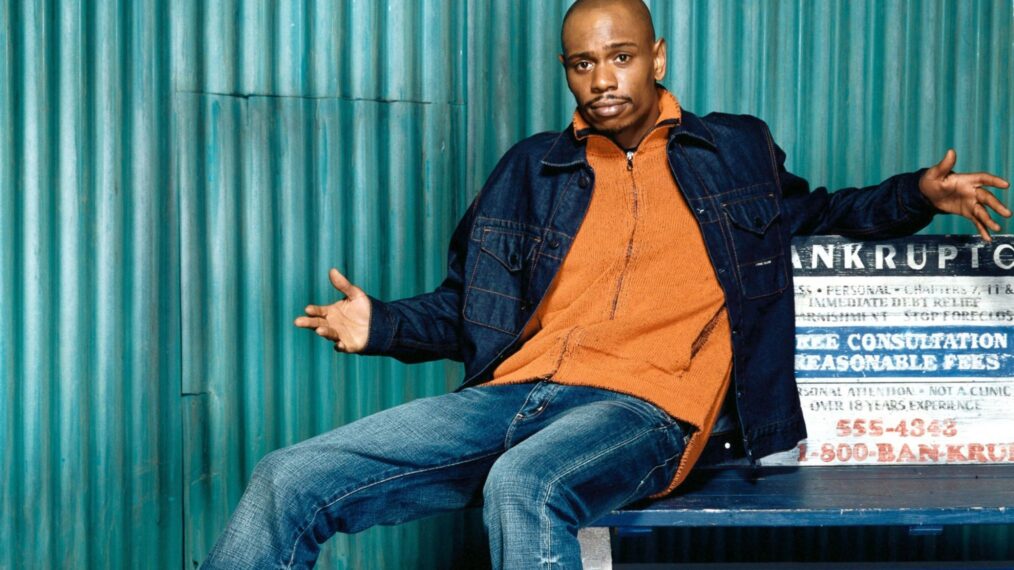
Few comedy titles still carry the electric force of “Chappelle’s Show.” It was not simply a hit series; it was a cultural machine that generated phrases, sketches, and debates that lived far beyond its original run.
So when Dave Chappelle recently spoke in a way that reopened the possibility of revisiting the show, the reaction was immediate. Excitement came first.
Then a more complicated emotion followed: anxiety about whether certain cultural moments can ever be revived without losing the thing that made them feel explosive in the first place.
The split response makes perfect sense. On one side are fans who feel modern sketch comedy rarely delivers the same sense of danger, precision, and instant cultural impact.
For them, even the possibility of Chappelle returning to that format feels thrilling. They remember a time when a sketch could dominate national conversation by the next day.
In a fragmented media world where attention is scattered across platforms and algorithms, the idea of a comedy institution capable of cutting through all of that remains deeply appealing.
On the other side are viewers who fear the revival of a legend more than they desire it. Their concern is not only that a reboot might disappoint. It is that bringing back “Chappelle’s Show” would force a direct comparison between the original and a new version shaped by an older, more controversial, more polarizing public Chappelle.
The comedian who would revisit the show now is not the exact figure audiences first encountered in the early 2000s. He carries decades of acclaim, conflict, ideological debate, and self-awareness that could change the entire temperature of the project.
That is why this story keeps pulling people in. It is not about simple nostalgia. It is about whether lightning can strike again when everyone knows where the wires are.
“Chappelle’s Show” succeeded in part because it felt disruptive in its moment. Recreating that feeling in a culture that already expects constant provocation may be impossible.