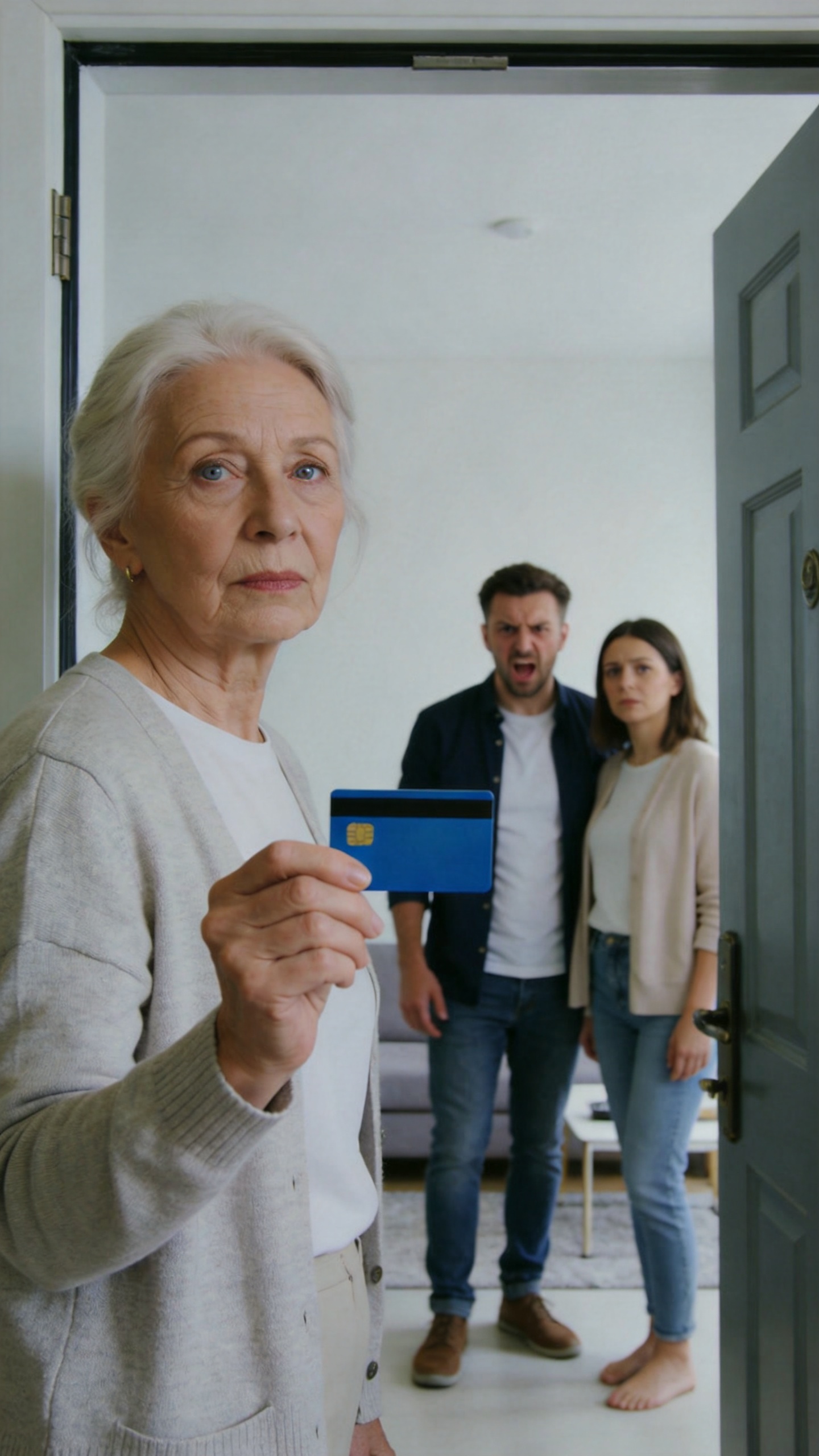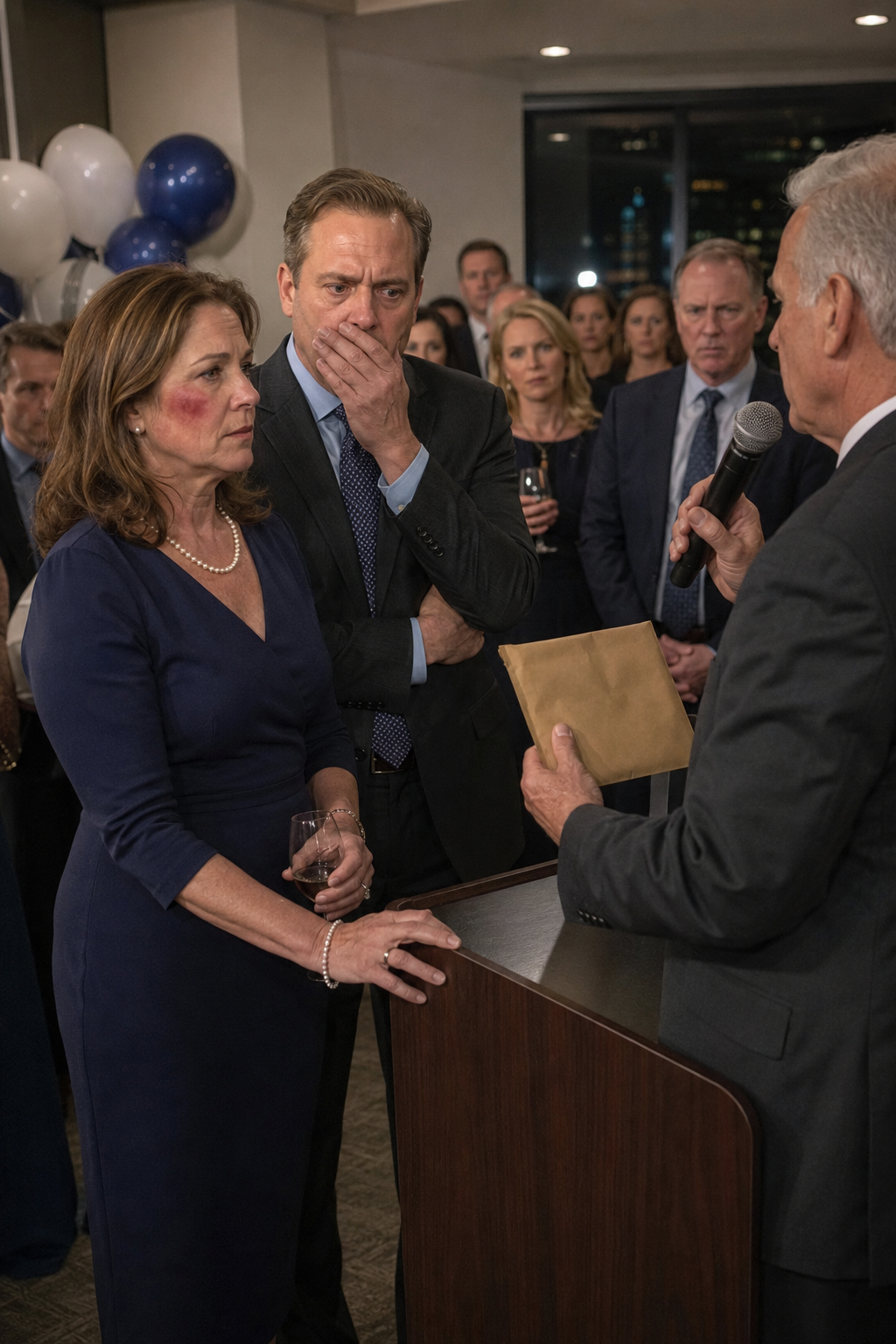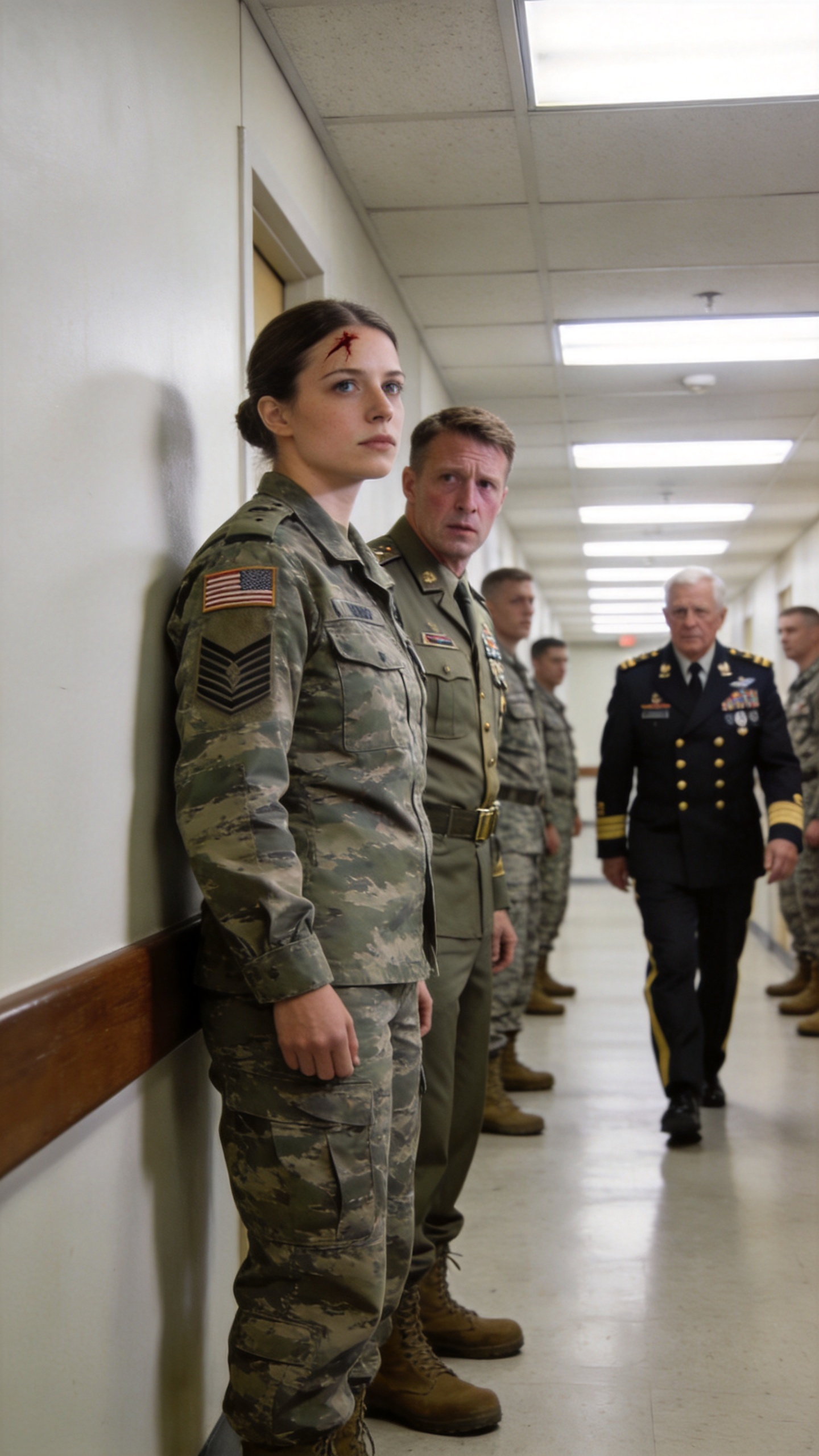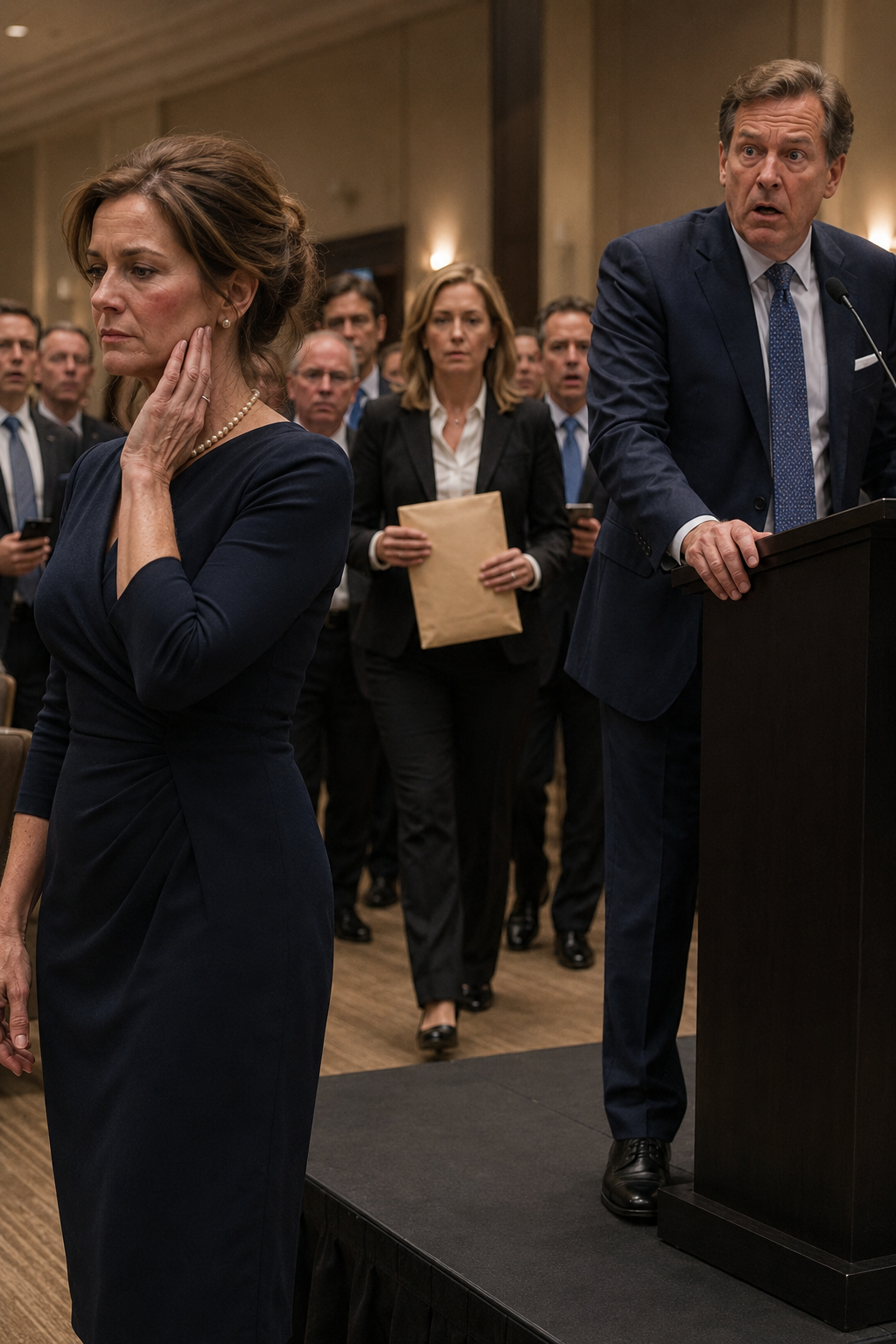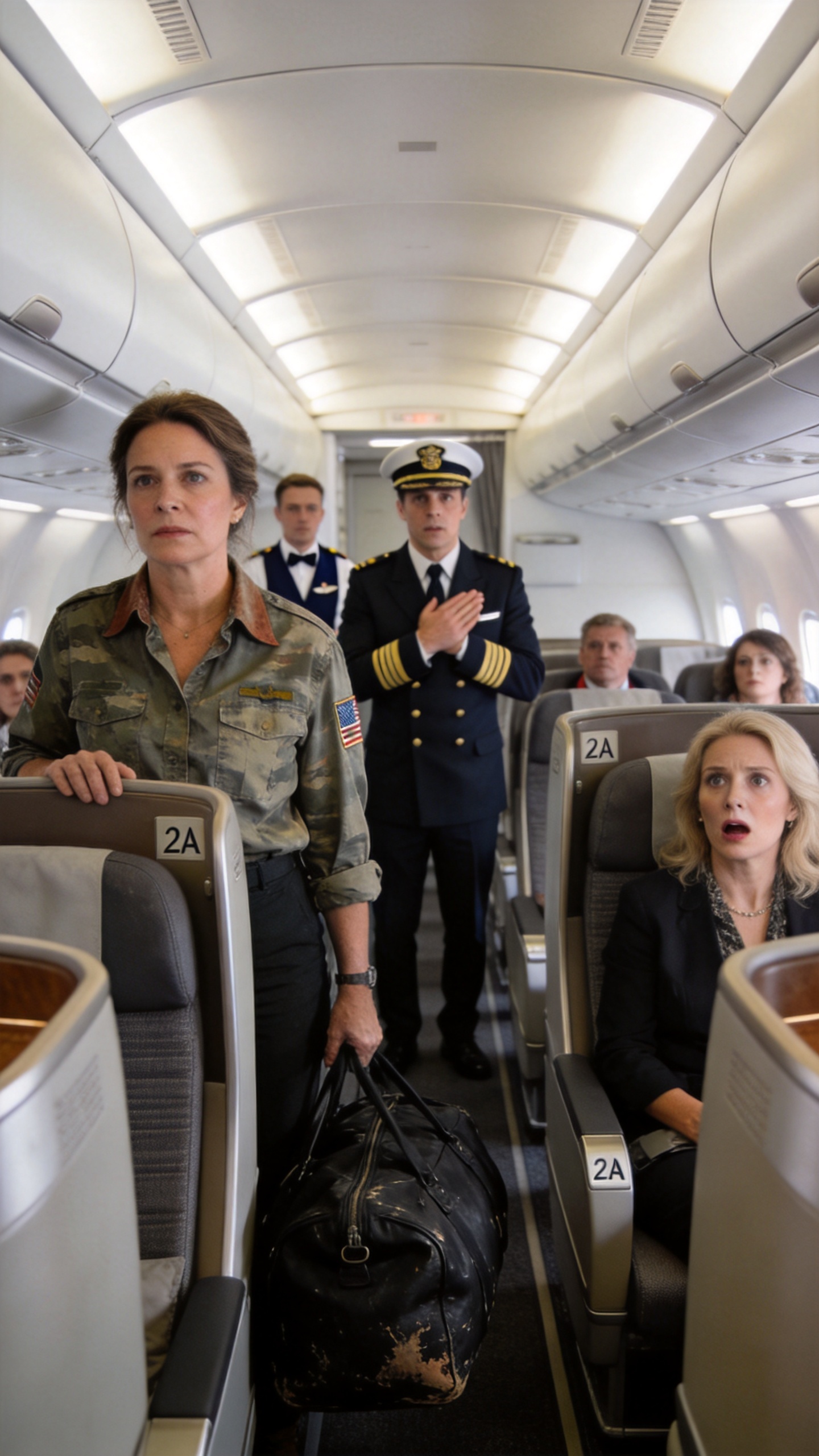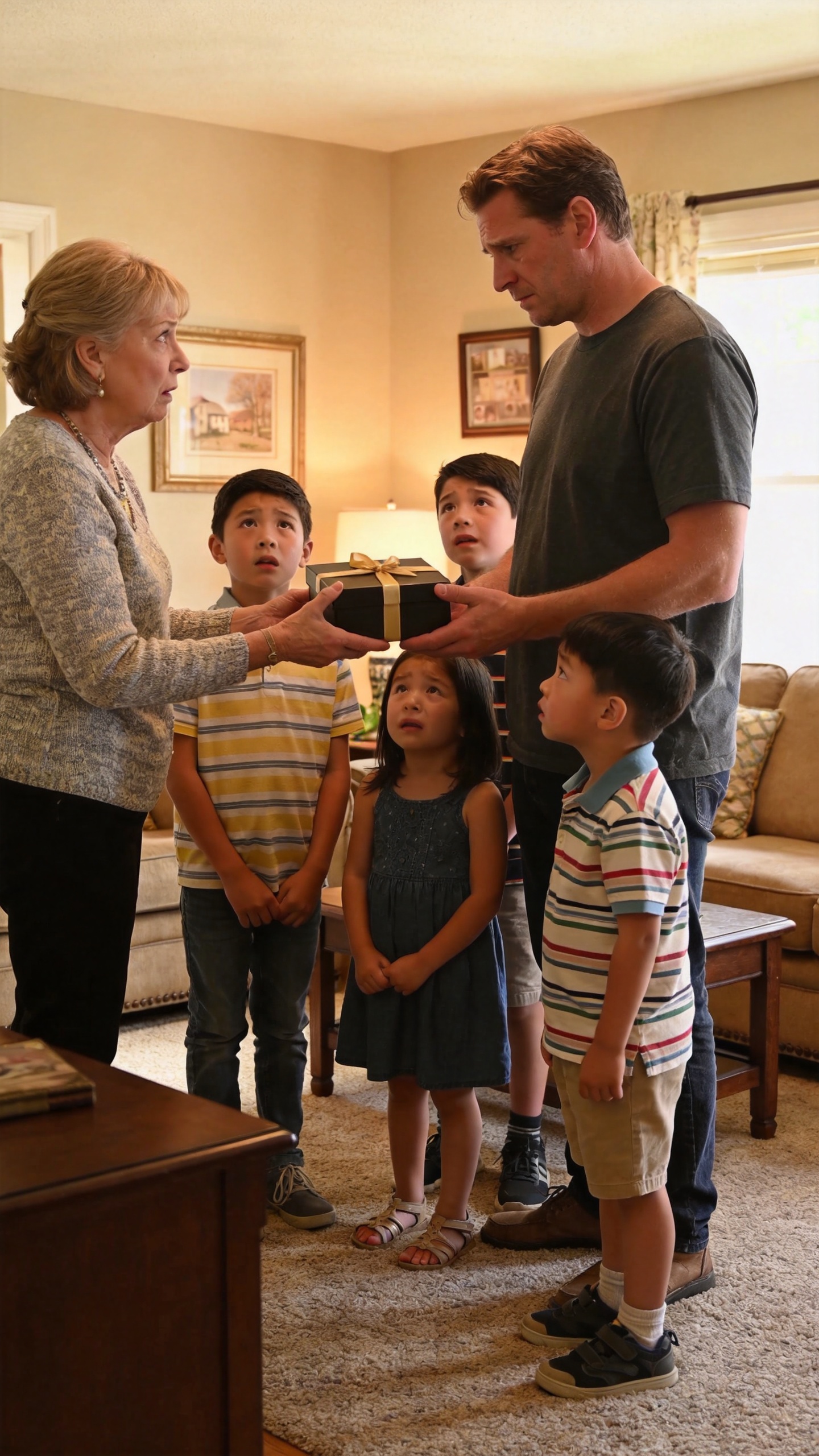
I Stood Frozen as My Own Mother Swore Under Oath That I Had Never Served My Country. She Said My Scars Were Fake, My Medals Were Bought Online, and My Twelve Years in Uniform Were a Lie. The Jury Believed Her, My Brother Smirked, and Reporters Wrote Down Every Word. But at Noon, the Doors Opened and the People Who Could Prove the Truth Walked In.
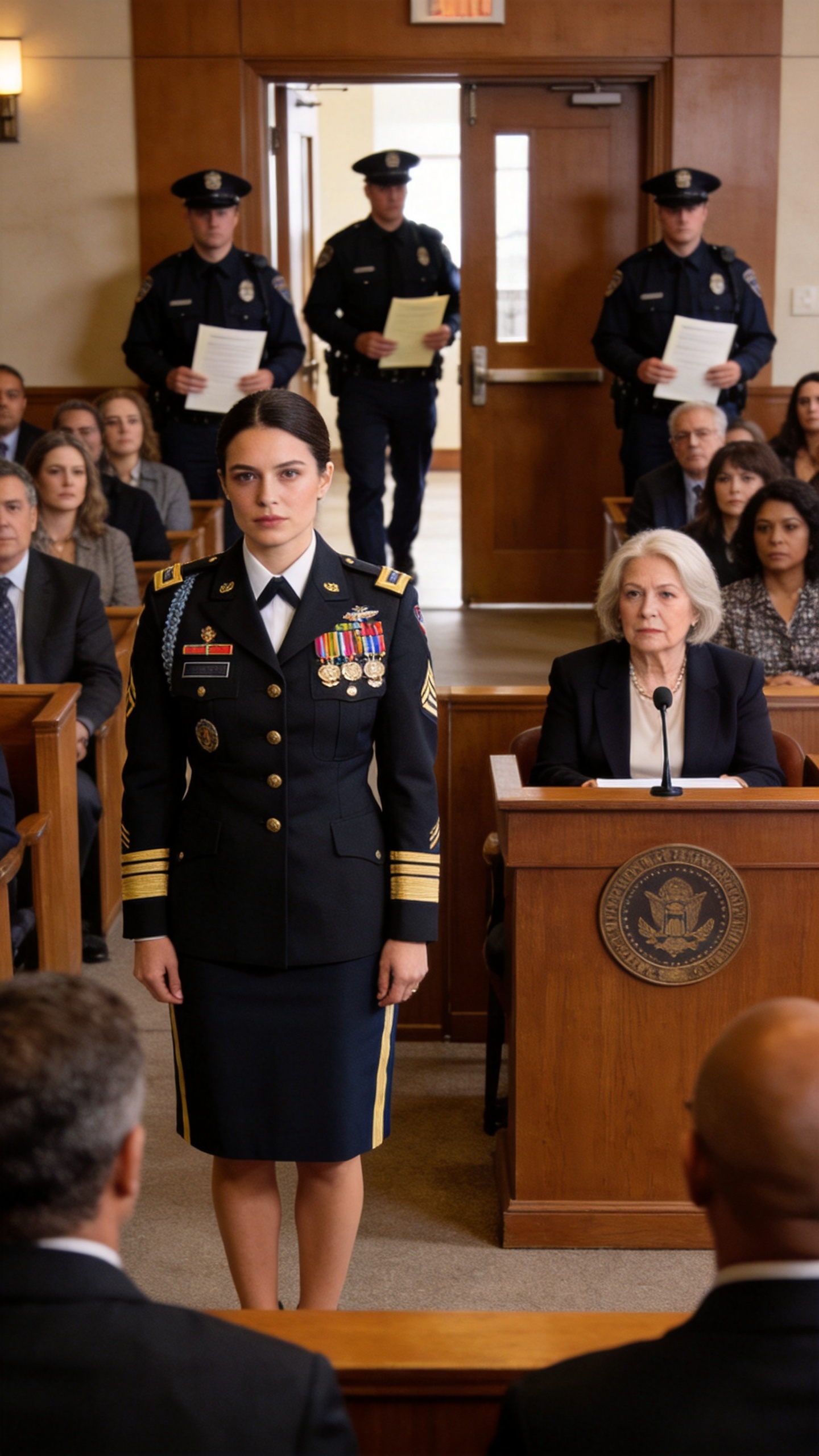
The Lie My Mother Told Under Oath
My mother did not raise her voice when she tried to erase twelve years of my life.
That was what made it so brutal.
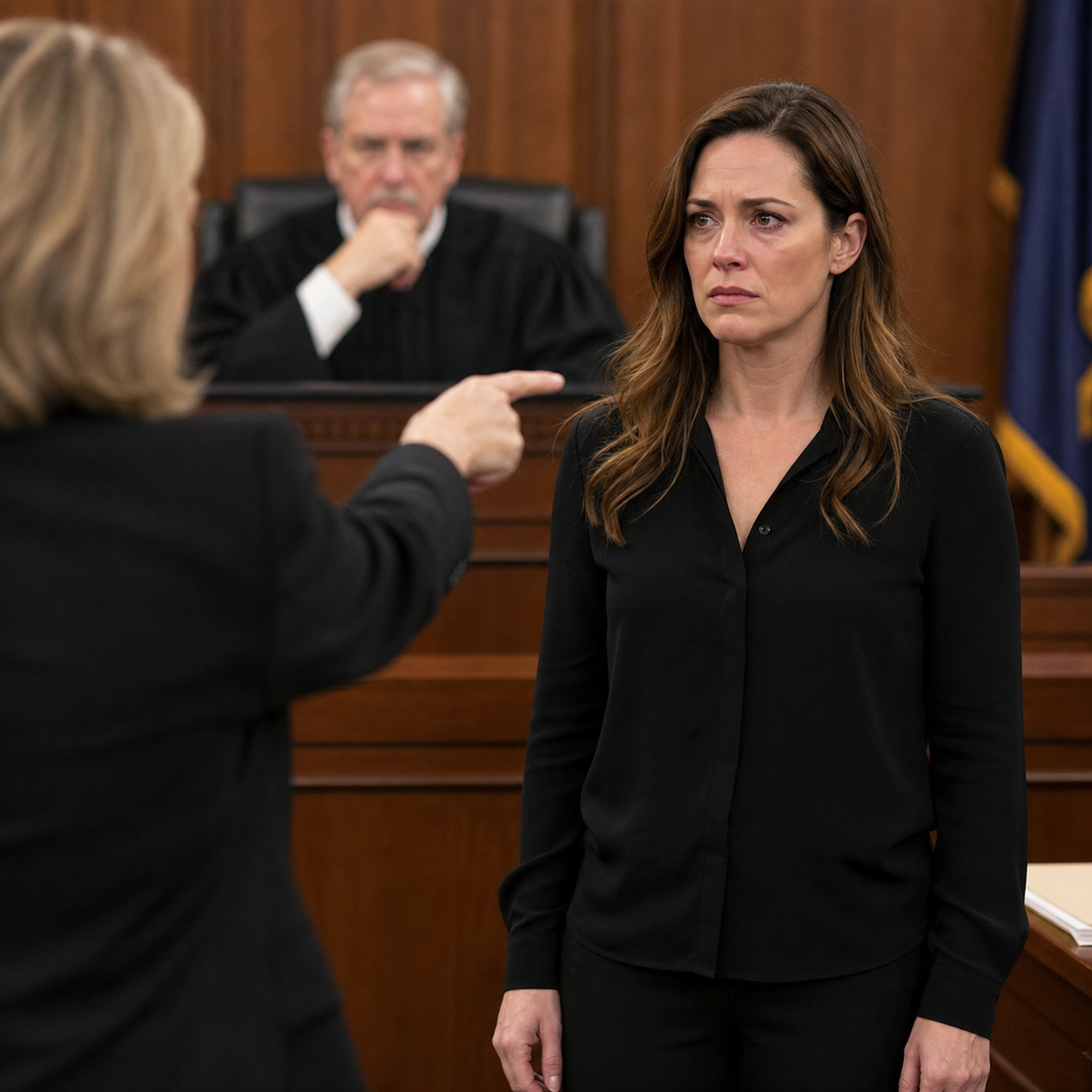
Victoria Bennett sat in the witness chair with one hand resting on the Bible and the other folded neatly in her lap, calm as a woman confirming the weather.
"My daughter was never in the Army," she said. "The scars, the medals, the entire story. She made it all up."
The courtroom reacted before I did. Whispers moved through the gallery. A reporter lifted his pen. One juror looked from my mother to the shadow box on the evidence table as if it had suddenly become dirty.
Inside that box were my Silver Star, my Purple Heart, and the burned unit patch I had carried home from the mission that nearly killed me.
My attorney, Samuel Price, leaned close enough that only I could hear him.
"Mara, do not react."
"I will not," I whispered.
He studied my face. "That worries me more."
Across the aisle, my younger brother Caleb hid a smile behind his hand. He thought my silence meant defeat. He had built the entire case on that silence.
The Trial That Began With My Father's Will
The trial had started as a family fight over Bennett Meridian Systems, my father Harold Bennett's defense technology company.
Before cancer took him, Dad left me controlling shares and named me executor of his estate. Three days after the funeral, Caleb produced a new will that gave everything to him.
When I challenged it, Caleb turned an inheritance dispute into a criminal accusation.
He claimed I had forged service records, invented combat deployments, bought decorations online, and manipulated our father with stolen valor.
The prosecutor treated the missing public records as proof. Caleb knew why the searches came back empty. He knew parts of my file were sealed for national security.
I had served under orders I still could not describe. I had signed nondisclosure forms that followed me home like invisible chains.
My father knew the truth. On one of his final nights, he gripped my hand and whispered that money was moving through shell companies.
"Protect the company," he said. "But do not expose your unit."
I promised him.
So when my mother looked at the judge and swore that I had never served, I kept my hands folded on the defense table and stared at the clock.
It was 11:47 a.m.
Samuel noticed. "What are you waiting for?"
"Authorization," I said.
"For what?"
For the first time all day, I smiled.
"In thirteen minutes, classified becomes declassified."
At Noon, the Door Opened
The courtroom doors opened exactly at noon.
There was no dramatic crash. Just the scrape of old wood and the steady footsteps of people who understood procedure better than performance.
A woman in a navy suit entered first, carrying a sealed government envelope. A gray-haired colonel followed her in dress uniform.
Behind them walked Major Daniel Hayes, leaning on a cane and looking at me with the same steady gaze I remembered from smoke and gunfire.
For one second, I forgot how to breathe.
The last time I had seen Daniel, medics were working over both of us. He had told me to stay awake while blood soaked through my uniform. After that, his record vanished behind the same classified wall as mine.
Now he was alive, older, leaner, and standing inside a Virginia courthouse.
The woman in navy introduced herself as Dana Whitfield, counsel for the Department of Defense.
"Your Honor," she said, "we request permission to address the authenticity of Captain Mara Bennett's military service and newly declassified records."
My mother's smile disappeared first.
Then Caleb's.
The judge called a recess. In chambers, Dana placed identification, clearance documents, and the authorization packet on the desk.
Colonel Marcus Reed identified himself as my former commander in a special operations support unit that never appeared in my public file.
Then Daniel spoke quietly.
"Captain Bennett served under my command. Her record is genuine. Her commendations are genuine. Her injuries were sustained during service."
The Record They Could Not Erase
When court resumed, the mood had changed so completely that even the reporters seemed careful with their pens.
Dana testified first. She explained that my record had been sealed, not fabricated, and that a limited release now verified my rank, deployment history, awards, and service-related injuries.
Colonel Reed followed. He confirmed that the medals in the shadow box were authentic.
The prosecutor stood, visibly uncomfortable.
"Colonel, why would a civilian search fail to locate Captain Bennett's complete service history?"
"Because portions were classified," he answered.
"So absence from certain public databases does not prove nonservice?"
"No, ma'am. It proves the search was incomplete."
One juror lowered his eyes. Earlier, he had looked at my medals with disgust. I did not hate him for it. People believe what the evidence lets them believe.
Caleb had shaped the evidence into a weapon.
Then Daniel took the stand.
Samuel asked if he knew me.
"Yes," Daniel said. "She served with me."
"Were you present when Captain Bennett sustained the injuries her family called false?"
Daniel's jaw tightened. "Yes."
"Were those injuries sustained in the line of duty?"
"They were."
Then he looked at the jury.
"She saved lives that day. Including mine."
The courtroom went silent. My mother finally looked at me, and for the first time, doubt broke through her certainty.
The Brother Behind the Silence
The stolen valor accusation collapsed, but the trial was not over.
Caleb still had the will. He still had Bennett Meridian tangled in missing funds, shell consultants, and rewritten documents.
During a recess, Daniel told me something I had not known. After we were injured, he had tried to reach me twice. Both times, a company liaison told him contact could compromise my reassignment and review.
"Do you remember the liaison's name?" I asked.
Daniel unfolded a paper from his jacket.
"Caleb Bennett."
My brother had not started attacking my service after Dad died. He had interfered years earlier, while I was wounded, isolated, and forbidden to explain my own life.
Back in court, Samuel recalled my mother to the stand.
This time, Victoria Bennett looked less polished. Her confidence sat on her face like paint in the rain.
"Earlier today, you testified that Mara had never served in the Army," Samuel said. "Was that testimony true?"
"At the time, I believed it was."
The judge instructed her to answer directly.
My mother swallowed. "No."
Samuel asked if a doctor had ever told her my scars were fake. She said no.
He asked if she had personally verified my military history. She said no.
"Then why did you call your daughter a liar under oath?"
She looked at Caleb before she looked at me.
"I trusted my son."
Those four words carried our whole childhood. Caleb broke things and I was blamed for not watching him. Caleb drifted and was protected. I went to war, but somehow he remained the fragile one.
The Will Beneath the Will
The next witness surprised everyone.
Graham Ellis, my father's former chief financial officer, entered with a leather-bound ledger. He had resigned six weeks before Dad died and stopped returning my calls.
I had thought grief kept him away. It was fear.
Graham testified that he discovered irregular transfers connected to Caleb: payments to shell consultants, licensing advances redirected before approval, and research funds moved into temporary accounts.
Dad had known about the transfers four months before his death. He began preparing a revised estate plan and an internal audit.
Samuel placed Caleb's will on the screen.
Graham said it was not the version Harold Bennett had prepared.
The original will named me controlling heir and required an audit before Caleb received any management authority. The version Caleb submitted removed the audit clause and gave him control.
Caleb shot to his feet. "He is lying."
The judge warned him once.
Graham continued. Dad had created a sealed contingency file if the will was challenged.
"Where is it?" Samuel asked.
Graham hesitated.
"Mara has it."
I stared at him because I had no idea what he meant.
Then he said Dad had given me a key years earlier, before my final deployment. I remembered the brass key I had worn on my dog tags until the explosion.
Afterward, when my effects came back, the key was gone.
Daniel leaned forward in the back row. He remembered something too.
The Lake House Archive
That night, Samuel arranged a hotel room for me with Daniel next door and security near the elevator.
It felt excessive until I saw the missed calls from Caleb and a message from my mother: Mara, stop this before you destroy what remains of us.
I typed a reply and never sent it.
What remains of us has to be true.
Before dawn, Samuel, Daniel, Dana, Graham, and I drove to the old lake house on Lake Minnetonka. My family had believed it was sold years ago.
Graham said Dad had transferred it into a trust after I deployed.