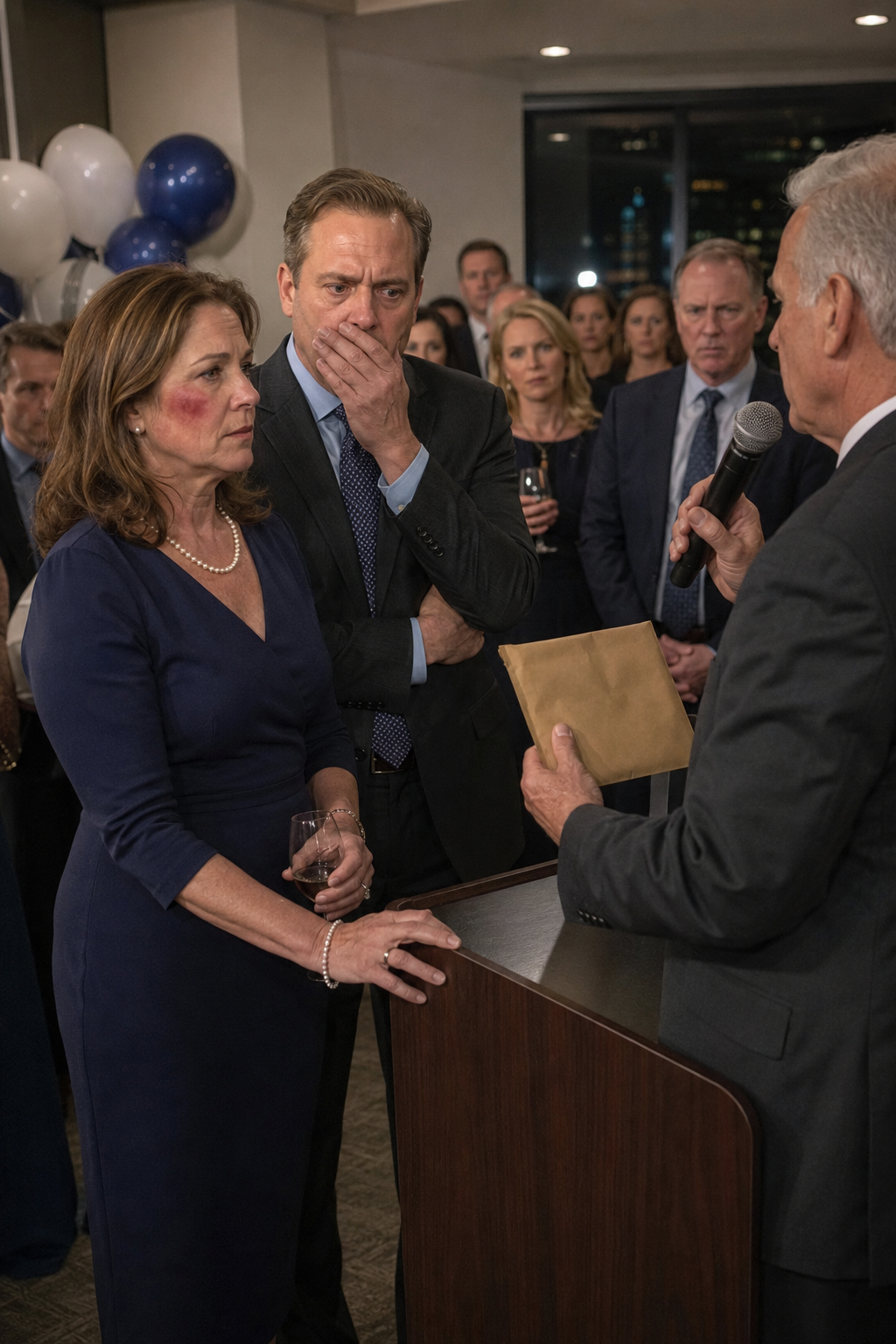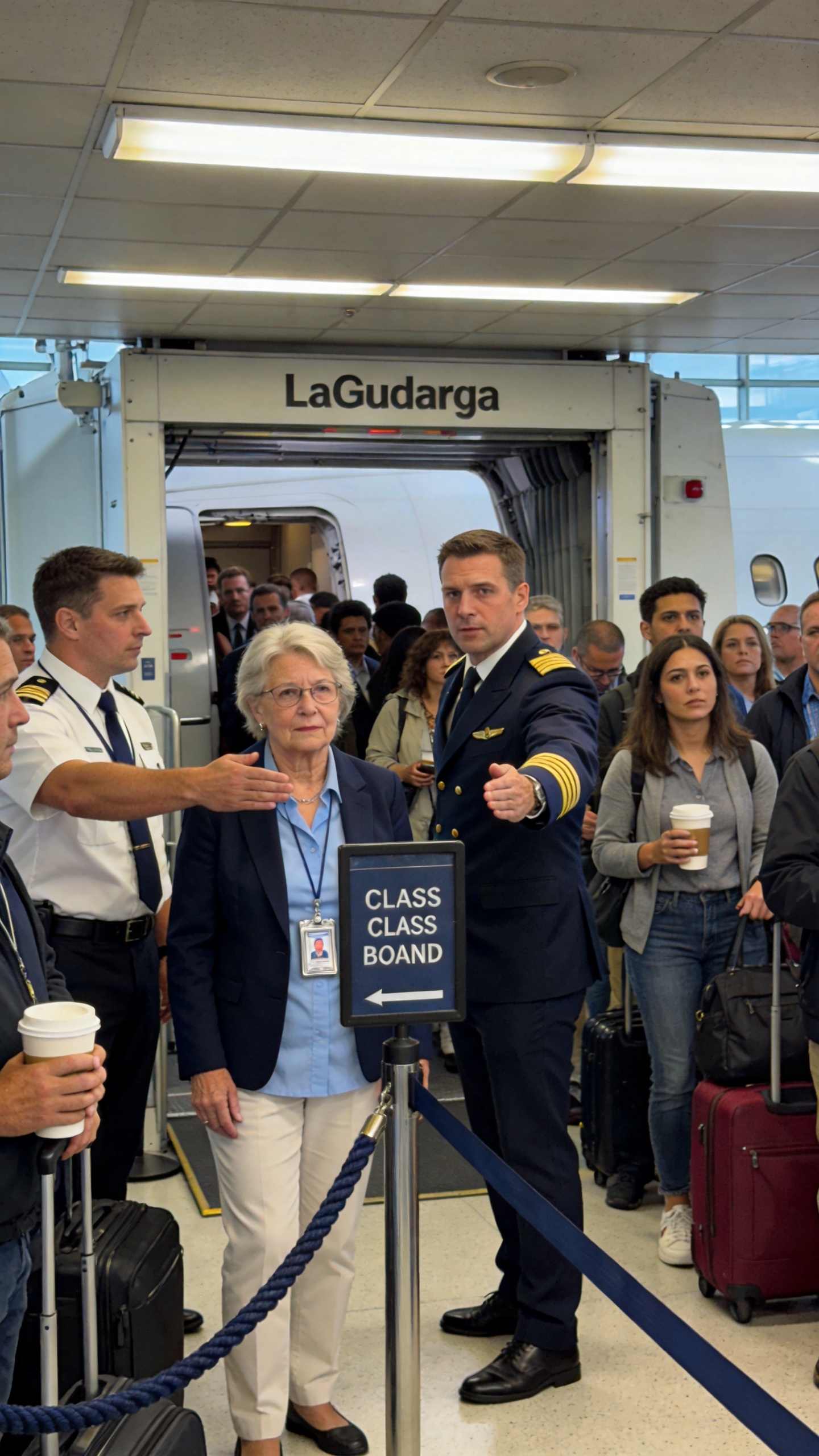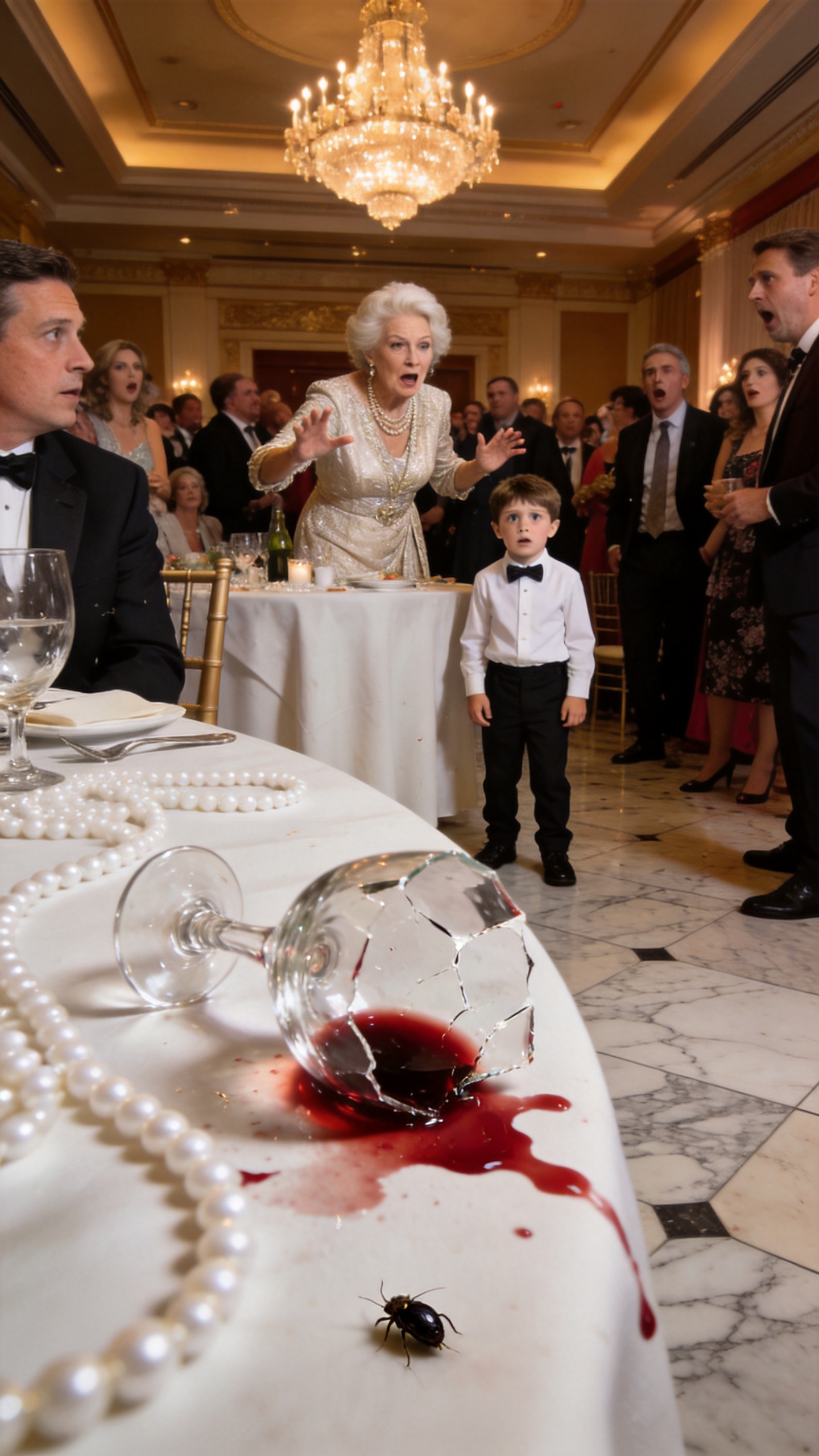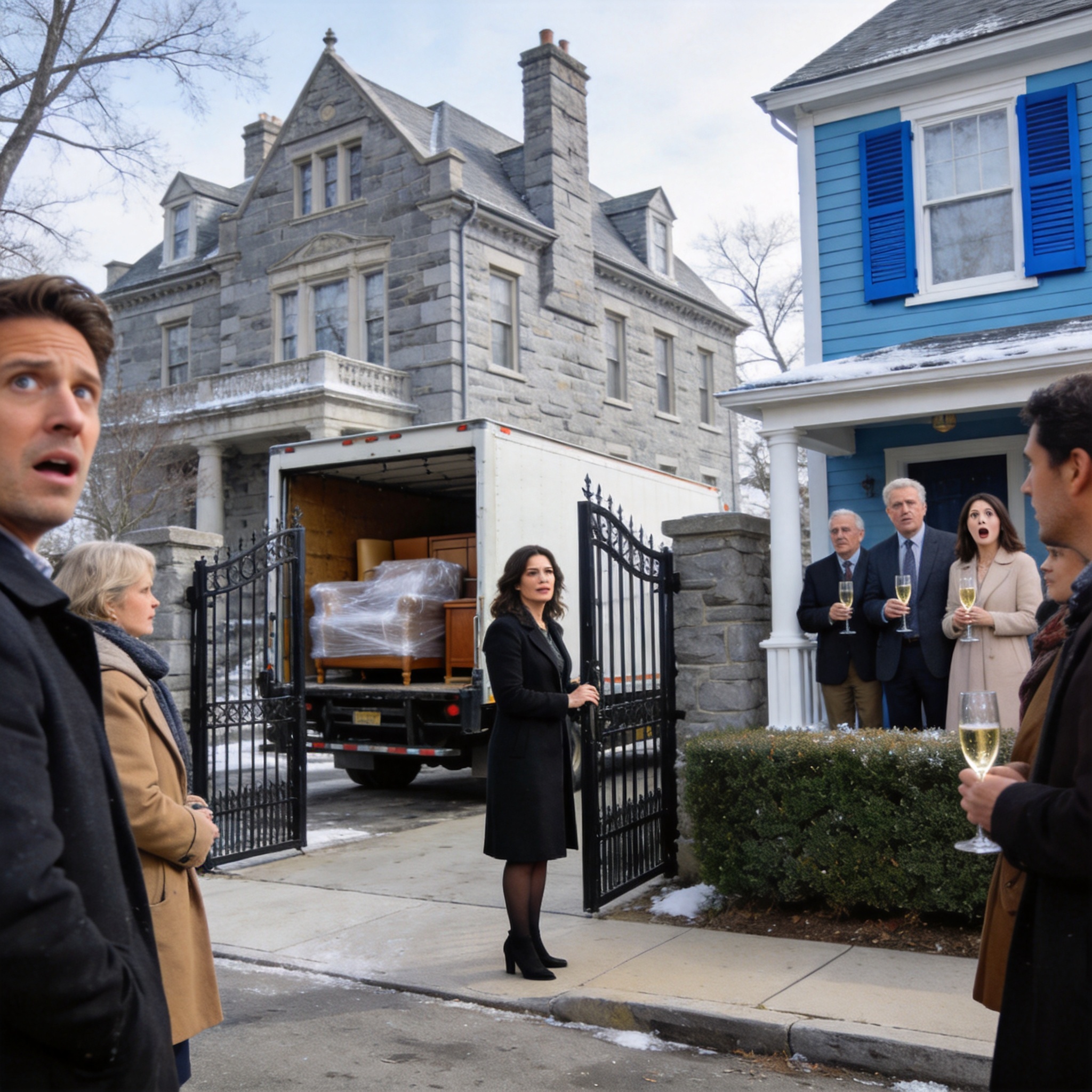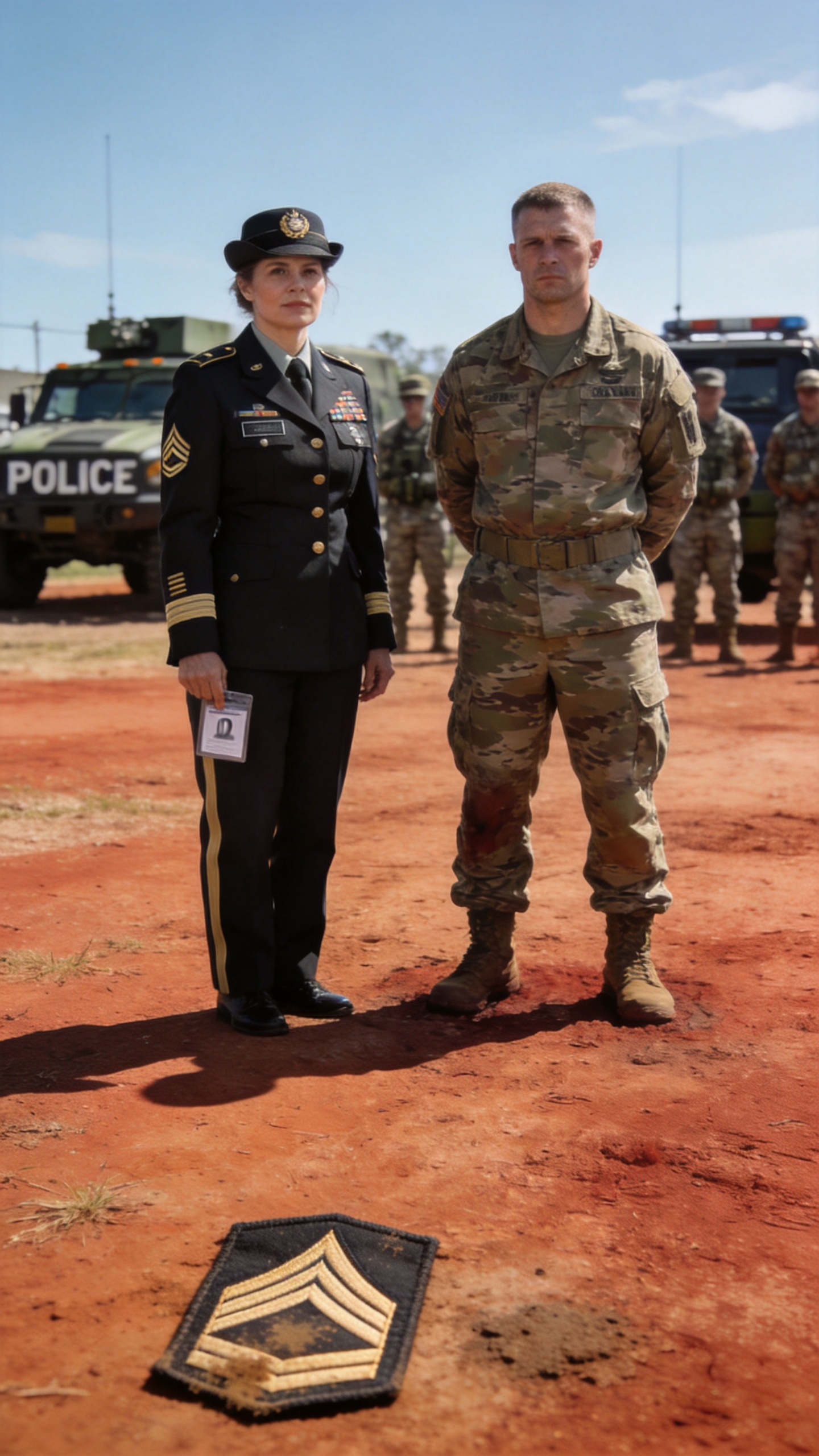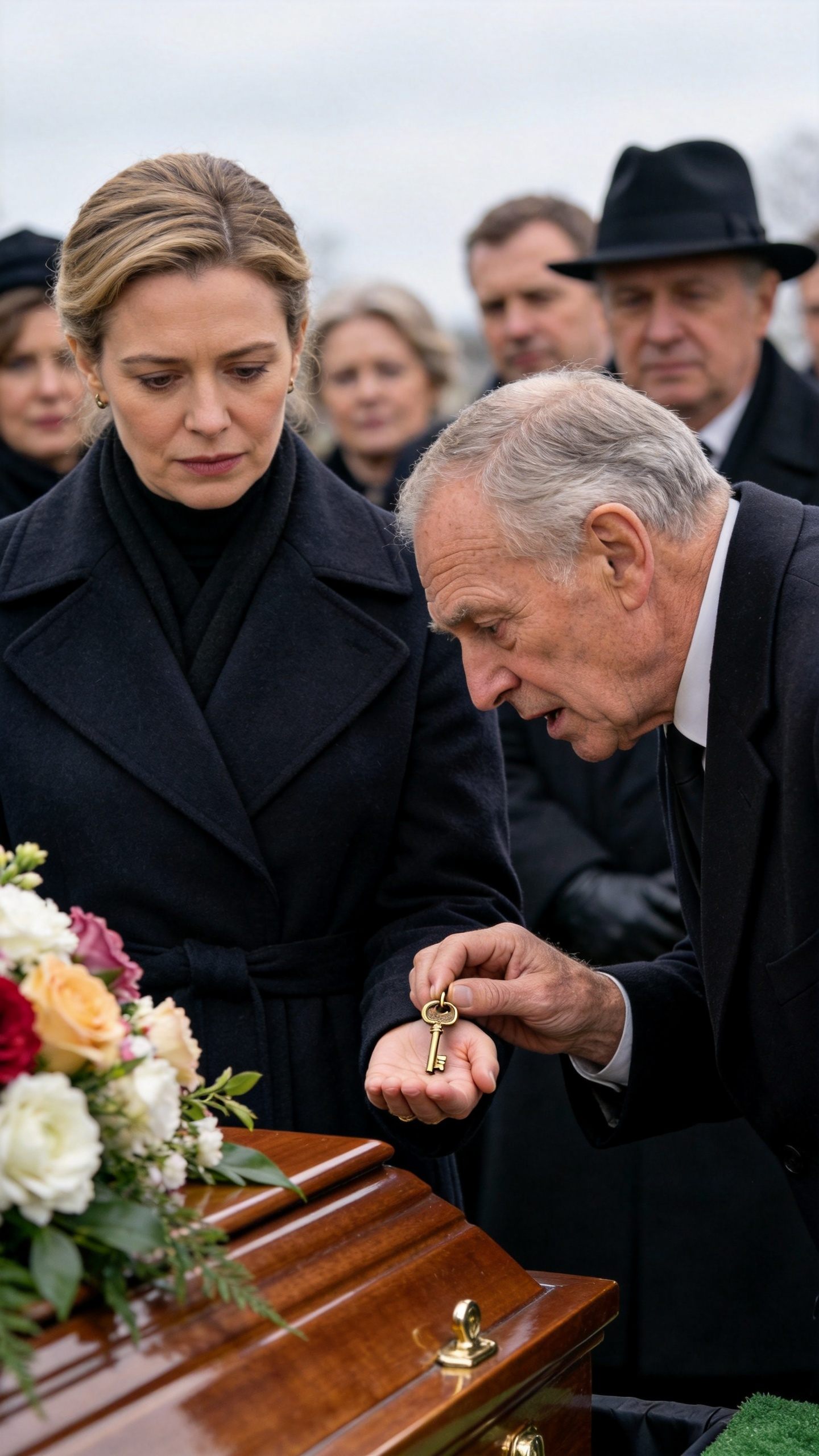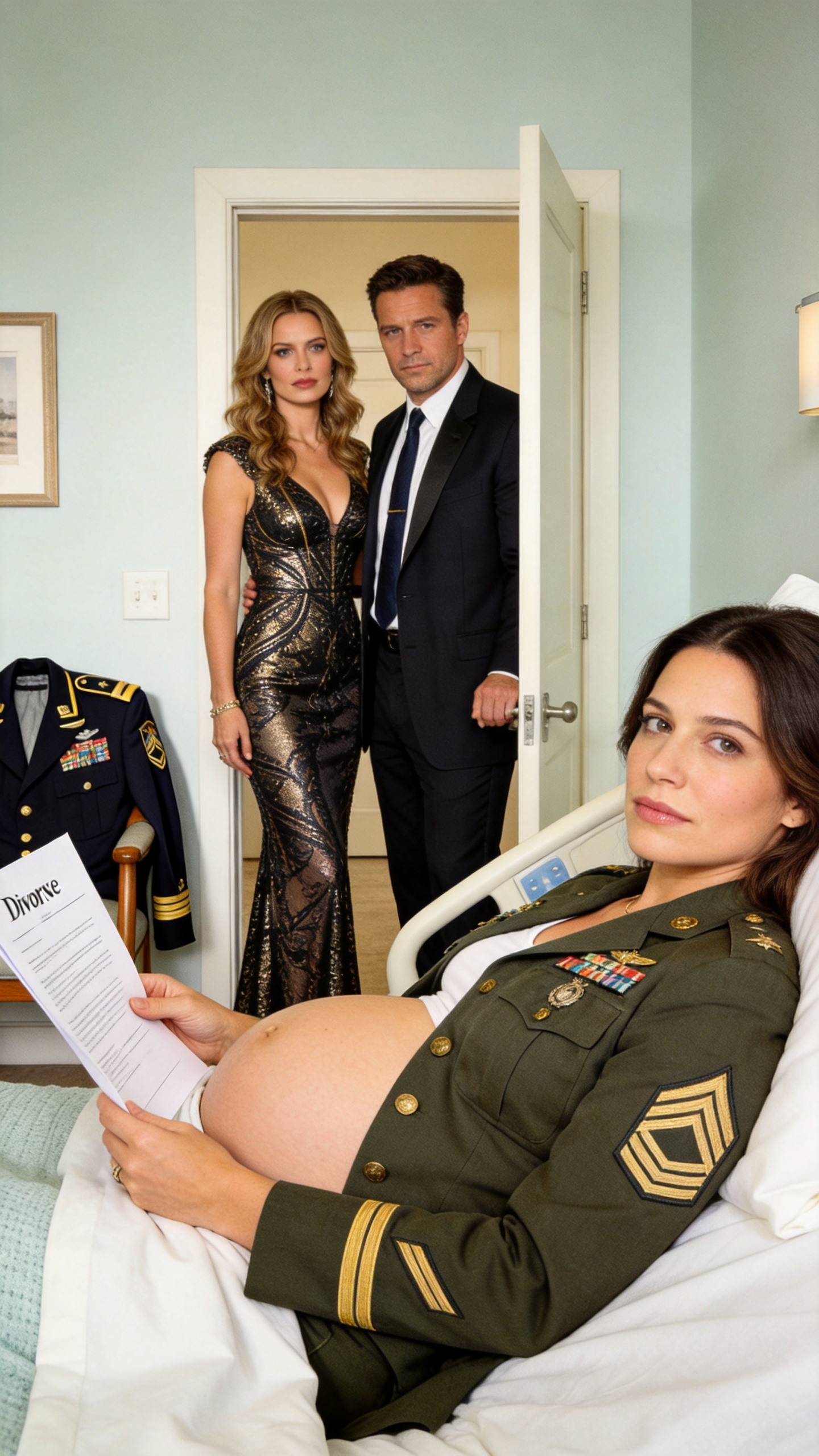
I Stood Frozen as My Own Mother Swore Under Oath That I Had Never Served My Country. She Said My Scars Were Fake, My Medals Were Bought Online, and My Twelve Years in Uniform Were a Lie. The Jury Believed Her, My Brother Smirked, and Reporters Wrote Down Every Word. But at Noon, the Doors Opened and the People Who Could Prove the Truth Walked In.
The gray shutters and stone boathouse were exactly as I remembered. For a moment I was eight years old again, running barefoot while Dad called after me that heroes still needed shoes.
Inside the boathouse, beneath faded life jackets, Samuel found a floor panel. Under it was a steel hatch with a keypad and key slot.
The inscription above the keypad read: WHAT MATTERS?
I tried TRUTH. Red light.
I tried MARA. Red again.
Daniel crouched beside me. "What did your father call you?"
Mara-bear.
I typed MARABEAR.
Green.
The hatch opened to a narrow stairway and a dry underground archive lined with labeled boxes.
A locked cabinet waited at the back. It had no key slot, only a biometric scanner, and an envelope with my name taped beside it.
Dad's note said that if the room had changed, someone had found the outer door before me. I should use what he gave me that no one else could copy.
Years earlier, before deployment, Dad had made me sign trust papers with a thumbprint.
I placed my thumb on the scanner.
The cabinet opened.
The Secret That Broke the Case
Inside was the contingency file.
Beside it sat a folder labeled CALEB BENNETT: PATERNITY AND ADOPTION RECORDS.
My hands went cold.
The adoption decree said Caleb had been adopted at age two. His birth father was Thomas Vail, founder of Vail Strategic Group, Bennett Meridian's fiercest competitor.
A photograph showed my mother as a young woman standing beside Thomas Vail with Caleb between them.
On the back, in my father's handwriting, was one sentence: Victoria's first lie was not about Mara.
Samuel read the documents with legal stillness. Dana said the connection had defense contract implications. Graham explained that Dad suspected Vail Strategic was influencing Caleb, though he may not have known how direct the connection was until near the end.
The hardest part was not learning that Caleb was not Dad's biological son.
The hardest part was learning that Dad had known and loved him anyway.
In his letter, Dad wrote that blood explained biology but not belonging. He said he chose Caleb, raised Caleb, and loved Caleb.
But he warned that love without truth becomes dangerous.
If Caleb had used my silence, service, or name to seize control, Dad told me not to answer with hatred.
Answer with daylight.
Let auditors audit. Let courts judge. Let truth stand where fear had hidden it.
On the way back to court, my mother texted again: Please do not open what your father buried. You do not understand what it will do to Caleb.
Daniel touched my elbow.
"She knows," he said.
"Yes," I whispered. "And she still thinks the truth belongs to him more than it belongs to me."
When Truth Entered the Room
Samuel asked the judge to admit the original will, audit documents, and limited records connected to Caleb's conflict of interest.
The judge reviewed the first pages in silence, then allowed limited admission.
Graham returned to the stand and explained the audit clause Caleb's version had removed. He confirmed that Dad wanted Caleb cared for and included, but no longer trusted him to run Bennett Meridian without oversight.
Then Samuel introduced the payments to Vantage Trace, the firm Caleb used to manufacture doubt around my service.
Finally, he raised the Vail connection.
Caleb stood slowly.
"What connection?"
That was when I realized he did not know. My mother had hidden the truth from him too.
Victoria was recalled again. The judge warned her carefully about perjury.
Samuel asked if she had known Thomas Vail before marrying Harold Bennett.
"Yes," she whispered.
He asked if Caleb was Thomas Vail's biological son.
My mother looked at Caleb, and the old performance finally fell away.
"Yes."
Caleb sat down as if his bones had vanished.
The truth did not make him innocent. He had forged documents, manipulated evidence, and tried to send me to prison.
But it did make him smaller than the villain I had built in my mind.
He was also a man shaped by a lie before he was old enough to speak.
That did not excuse him.
It explained the wound he had turned into a weapon.
My Mother Finally Chose the Truth
Later, in a quiet room away from reporters, my mother admitted what she had done.
She had known my service was real before court. Dad had told her. She let Caleb convince her that if she denied it boldly enough, the sealed records would keep me trapped.
"You let them call me a fraud because it was easier than admitting Caleb lied?" I asked.
"Yes," she whispered.
The honesty hurt worse than the lie.
I told her that when I was overseas, I had imagined coming home to a place where I would not have to prove I was real.
"Then you made that place another courtroom," I said.
She cried, but I did not comfort her.
"I am sorry," she said. "I know that is too small."
"It is."
"I do not expect forgiveness."
"Good. Because I cannot give you that today."
Then I told her what repair would look like.
She would correct her testimony under oath. She would cooperate with investigators. She would stop choosing Caleb's comfort over everyone else's reality.
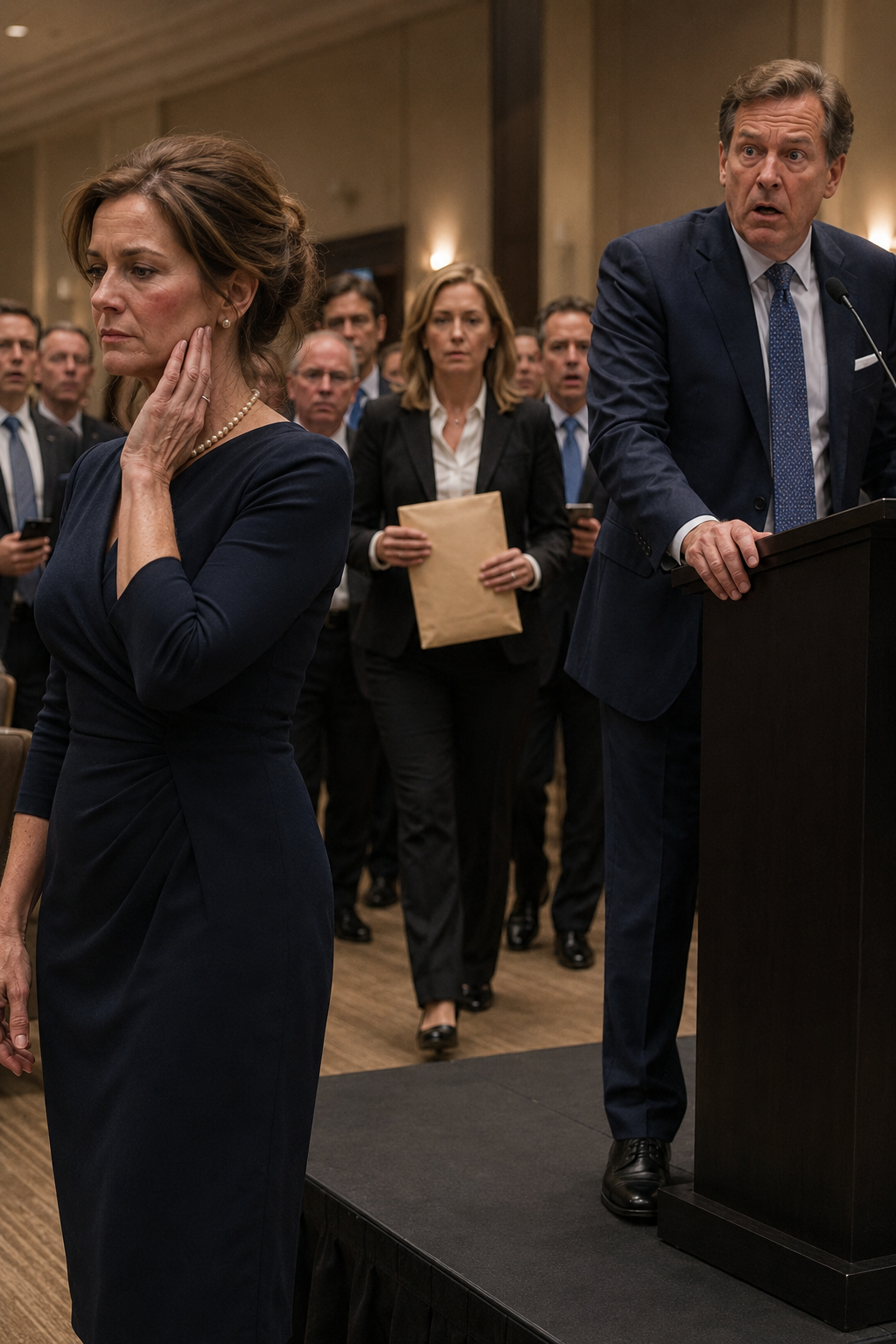
Three weeks later, Victoria Bennett returned to court without pearls.
She admitted Caleb influenced her statements. She acknowledged Dad's original will, my real service, and the family history she had helped hide.
"When I lied," she said, "I told myself I was protecting my son. But I was protecting my fear. My daughter paid the price."
What Was Repaired, and What Was Not
The legal consequences came slowly, as they usually do.
Caleb negotiated with prosecutors and federal investigators. Vail Strategic became part of a broader investigation. My mother faced possible penalties for perjury, though her cooperation mattered.
Bennett Meridian survived.
The board confirmed me as controlling shareholder under Dad's original will. I appointed an interim CEO with defense ethics experience, created an independent audit committee, and built a veterans' advisory board for employees moving from classified service into civilian life.
At the first board meeting, I placed Dad's letter in front of me.
Protect the company, but do not let it turn your heart into another battlefield.
So I did not.
Months later, at the lake house, Daniel returned my brass key. Caleb had sent it through his attorney, finally admitting it belonged to me.
I held the worn metal and understood what Dad had meant when he said it was for when I came home.
Home was not a place where nothing hurt.
Home was where truth could enter and still find a chair waiting.
That summer, we held a small memorial for Dad at the lake house. Caleb came. So did my mother. They arrived separately.
Caleb had given up all claims to Bennett Meridian management and begun restitution. I did not trust him yet, but he was trying to become someone who could one day be trusted.
My mother brought a tin of Dad's lemon drops and a velvet pouch.
Inside was my first Silver Star presentation medal. Dad had kept it because he said I would never display it myself.
On the case, in his handwriting, was a note: For Mara, who never needed medals to prove courage, but deserves to have every part of herself returned.
It was not forgiveness.
But it was one plank in a bridge.
The Ending They Did Not Get to Write
A year later, Bennett Meridian opened the Harold Bennett Center for Ethical Defense Innovation on the renovated lake property.
The old archive became a secure records room. The boathouse became a retreat for veterans, engineers, and families living on the strange border between service and secrecy.
At the dedication, I wore a simple navy dress, no uniform and no medals, only the brass key around my neck.
My mother sat in the second row. Caleb stood quietly at the back. Daniel watched from near the dock with the same steady gaze that had once pulled me through smoke.
When I stepped to the microphone, I finally understood that protection and silence are not the same thing.
Locks can guard truth, but they can also imprison it. The difference is whether we remember where the key belongs.
My family had confused love with concealment, loyalty with denial, and ambition with worth. Truth exposed what was broken, but it also showed what could still be repaired.
Afterward, Daniel asked me to dinner. Not strategically, he said. Personally.
I said yes.
Later that night, I returned to the boathouse archive and placed the courtroom transcript beside Dad's final letter, the original will, the adoption records, and a childhood photograph of me and Caleb by the lake.
I did not need the archive to prove who I was.
But someday someone might stand in a room full of doubt with a truth too heavy to explain, and need to know this:
Silence is not emptiness.
Scars are not shame.
And the people who try to erase your story do not get to write the ending.
I locked the cabinet, climbed the stairs, and stepped into the moonlit air.
The lake shimmered. The house waited.
For when you come home, Dad had said.
At last, I had.