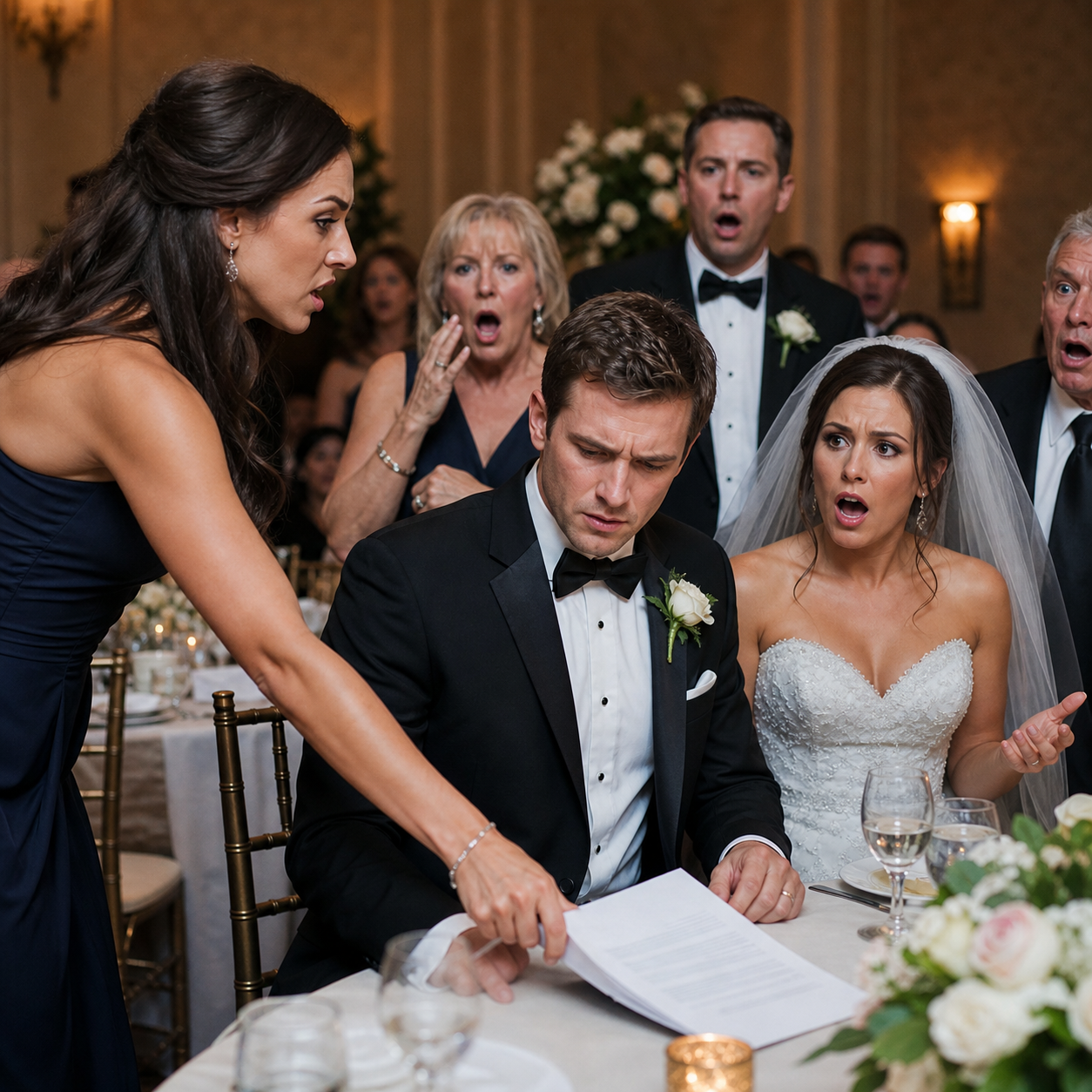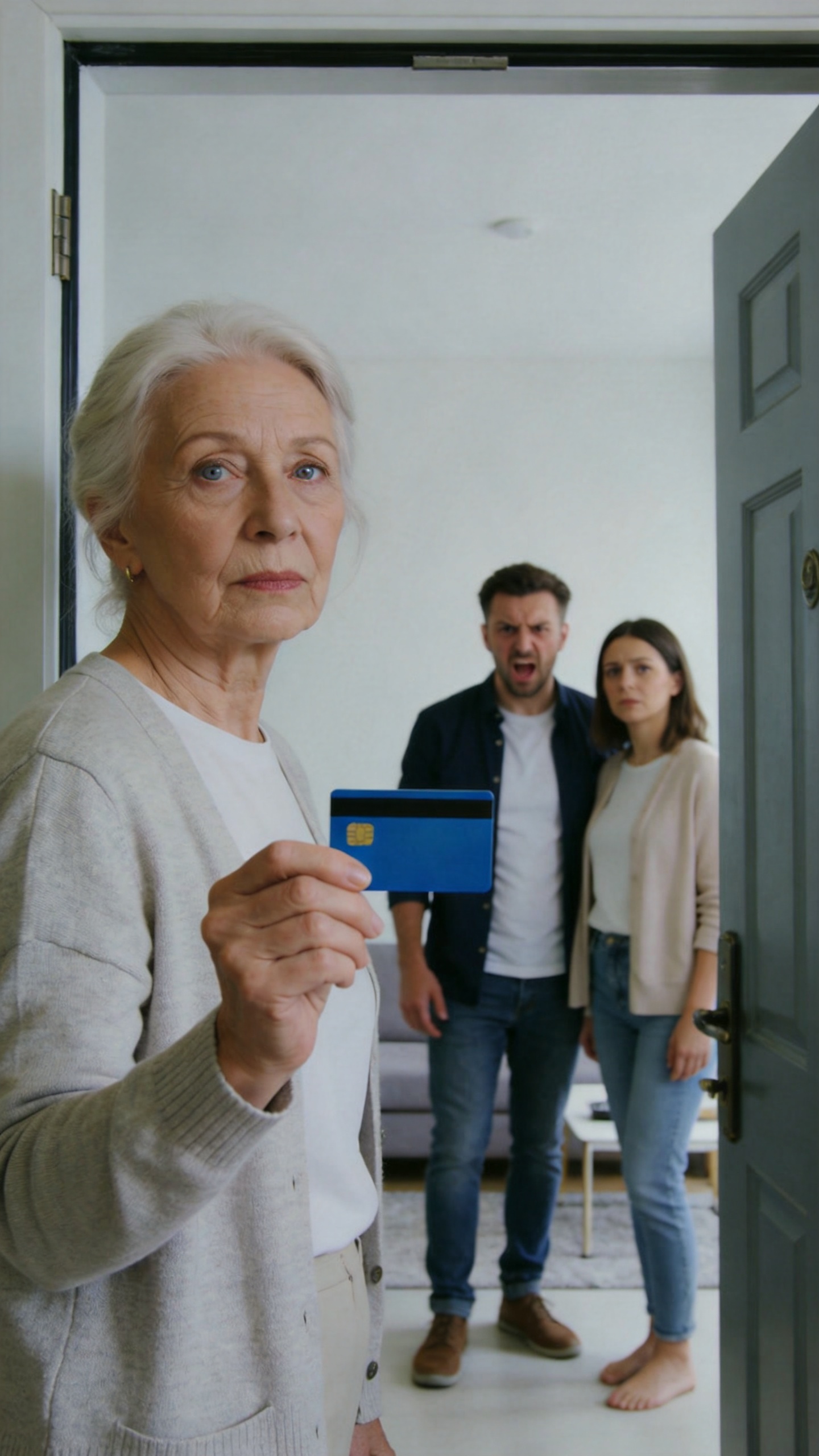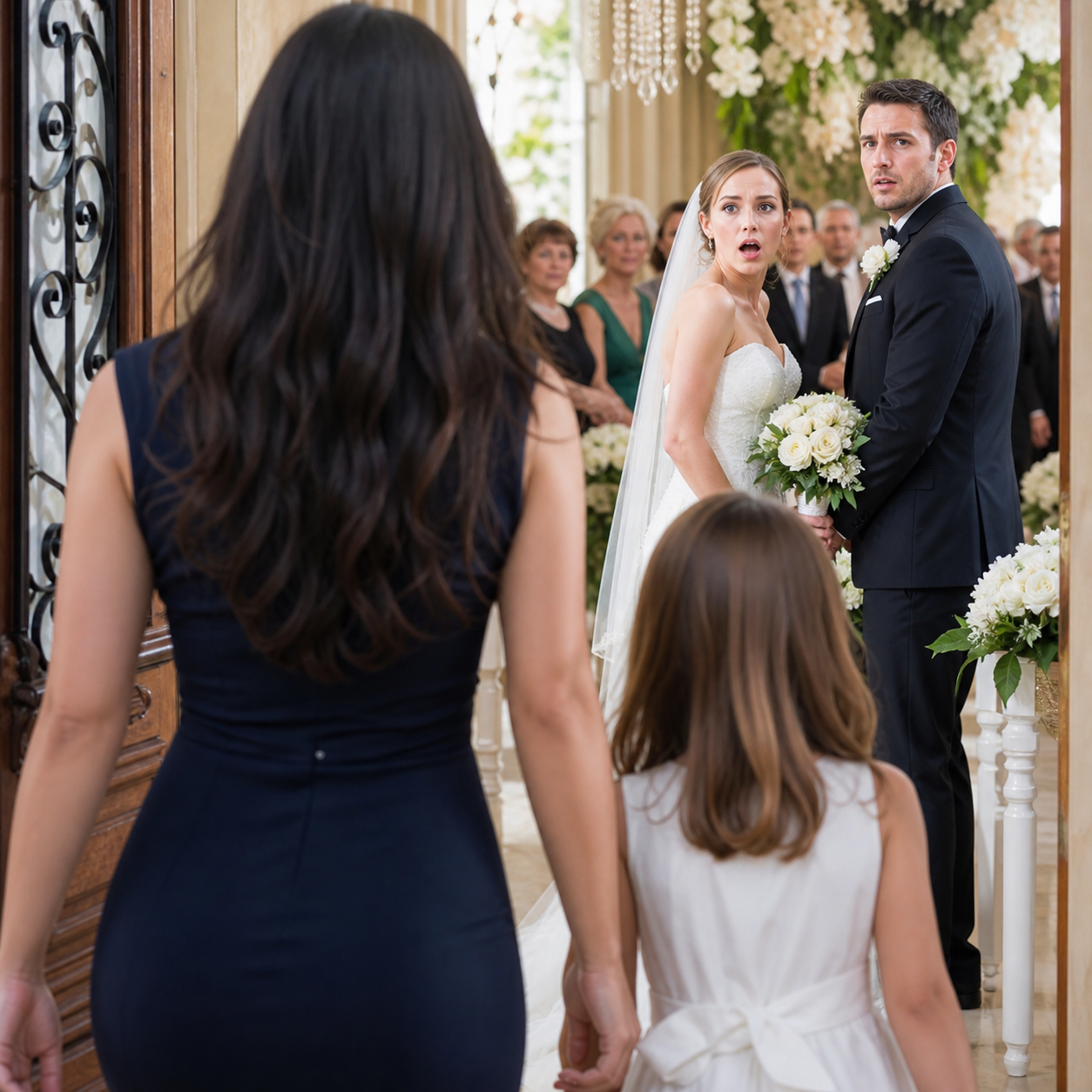
I Came Home Unannounced on New Year's Eve and Found My Wife Starving After Surgery, While Our Baby Shivered in the Cold. Then the Security Cameras Exposed the Betrayal That Ended With Police at Our Door
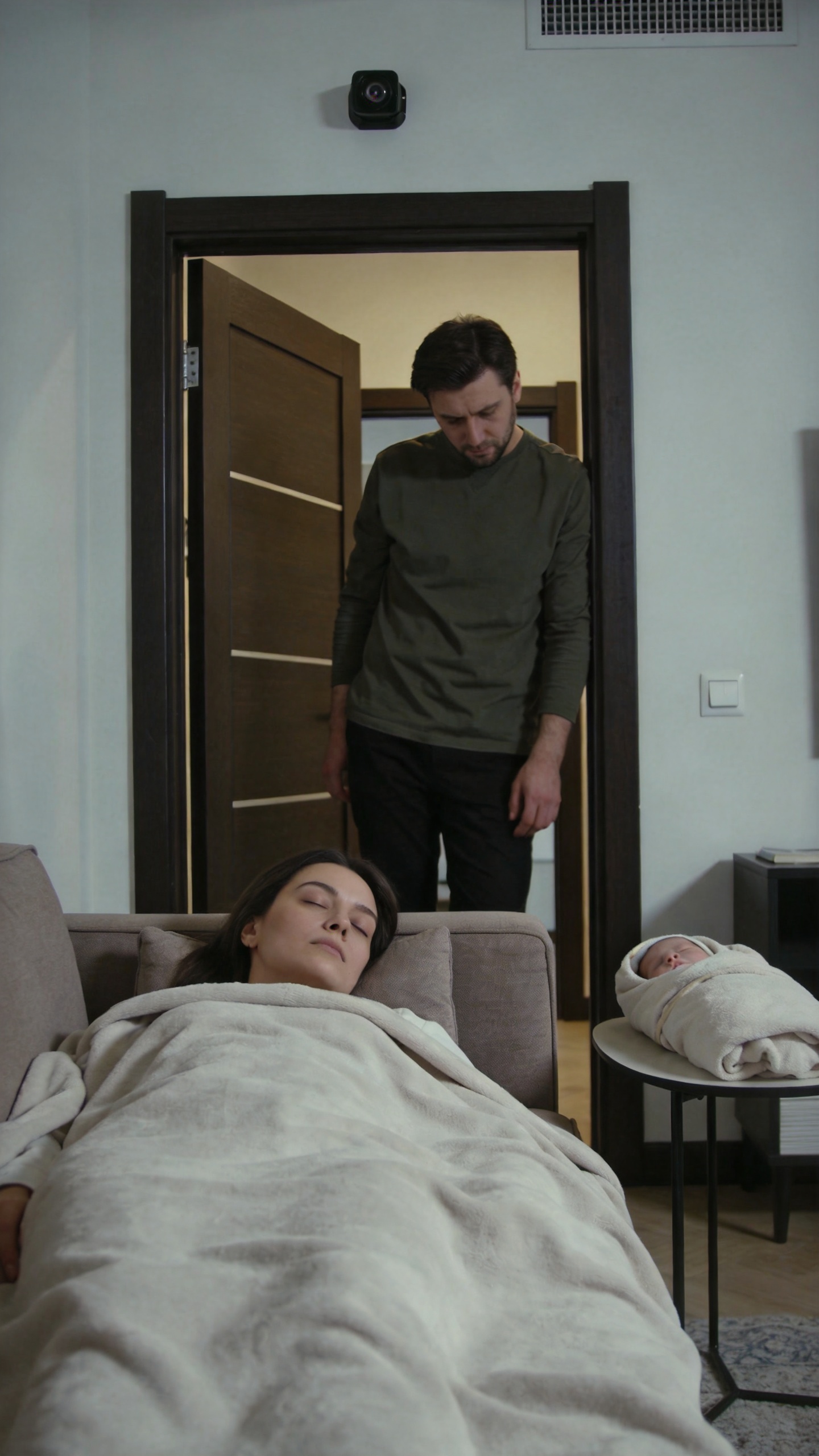
The Cry in the Kitchen
"Where are my wife and son?" I called as I unlocked our apartment door on New Year's Eve.
The only answer was a thin newborn cry coming from the kitchen.
It was nearly 11:30 p.m. I was supposed to be in Stuttgart, Germany, inspecting machinery until January. Instead, I had changed my flight, paid an absurd price for the seat, and come home to Brooklyn without telling anyone.
I wanted to surprise Maya, my wife, and finally hold Liam, our son. He had been born eleven days earlier by emergency C-section while I was trapped overseas.
My suitcase was full of gifts. Warm clothes for Liam. Recovery lotion for Maya. Chocolates for my mother, Eleanor. Expensive perfume for my sister, Chloe.
I still believed they deserved them.
The Park Slope apartment was dark and freezing. There was no dinner, no champagne, no sign of a family celebrating the holiday. Used diapers sat near the sofa, and an open tub of cheap formula stood on the counter.
Then I saw Maya.
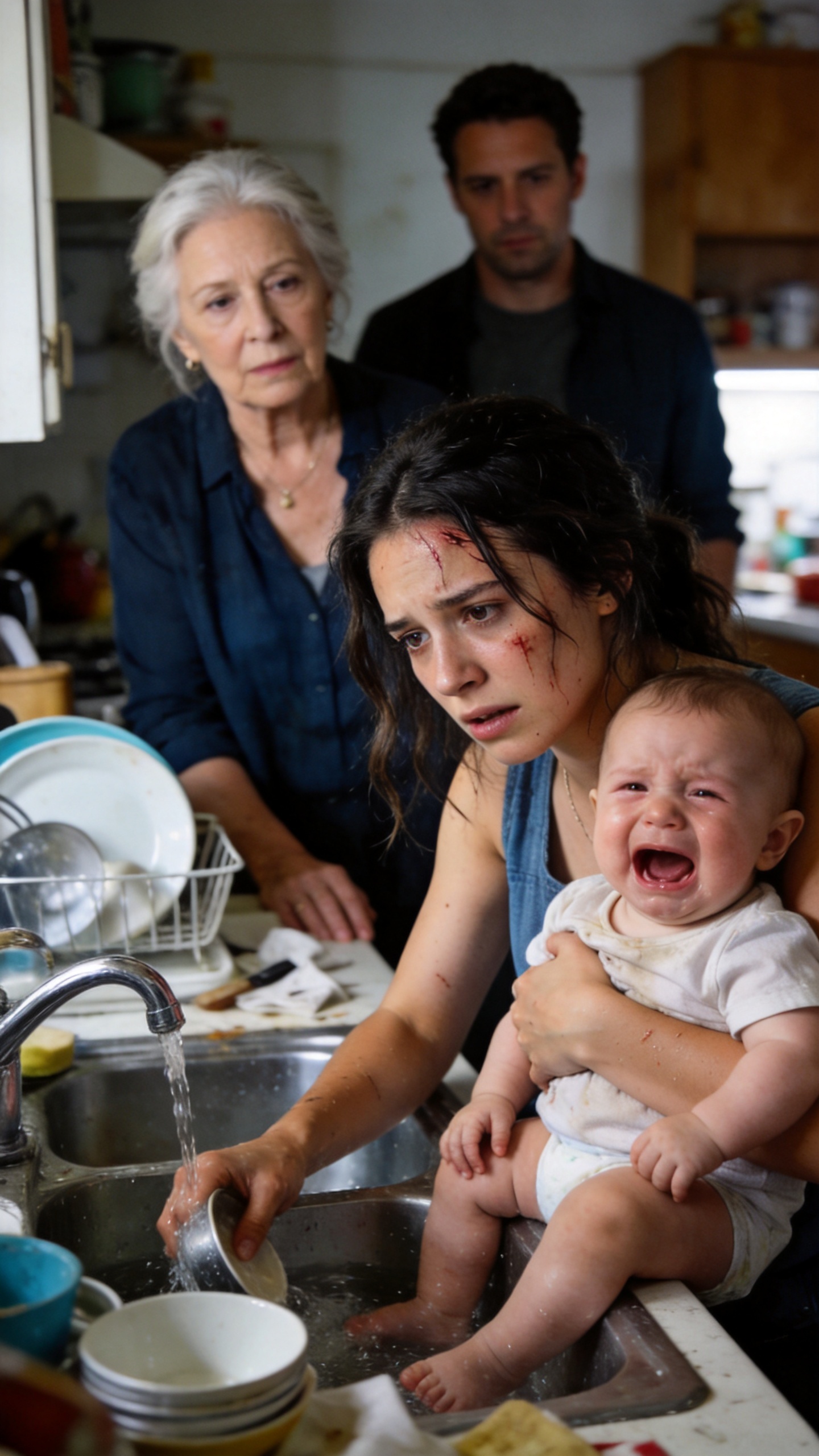
She was folded into a plastic chair in thin pajamas and an old cardigan. Her face was gray, her lips were cracked, and one hand pressed against the C-section incision staining her sweater with blood.
The apartment had the stale, metallic smell of old heat that had been shut off too long. A damp towel lay under the kitchen window where cold air leaked through the frame, and the small space heater I had bought for the nursery sat unplugged beside an empty outlet.
Maya had dragged the bassinet into the kitchen because it was the only room where she could sit upright and watch Liam breathe. A saucepan on the stove held cloudy water, as if she had tried to make broth from nothing and given up.
In front of her sat a cup of instant ramen, swollen and lukewarm. Liam lay in a wicker bassinet nearby, wrapped in a blanket far too thin for a December night.
"David... why are you back?" Maya whispered, trying to rise. "Go rest. I'll make you something."
Her knees buckled. I caught her before she hit the floor.
"Where are Mom, Chloe, and Mark?" I asked. "Where is the food I bought? I wired them fourteen thousand dollars to take care of you."
Maya looked down as if she had done something wrong.
"They went to Miami," she said. "Your mother said women recovering from surgery should eat light. She said it would cleanse my system."
The Empty Refrigerator
I opened the refrigerator and found nothing.
The broths, salmon, beef, fruit, milk, vitamins, and Liam's imported prescription formula were gone. Even the recovery groceries I had ordered for Maya had vanished.
The freezer was empty too, except for one cracked ice tray and a bag of peas with freezer burn on the corner. The labeled containers my assistant had arranged for Maya's first week home had been scraped clean from the shelves.
In the pantry, I found three ramen packets, half a sleeve of crackers, and a jar of peanut butter with knife marks around the bottom. Beside them sat the printed delivery receipts for food that should have lasted a recovering mother and a newborn for days.
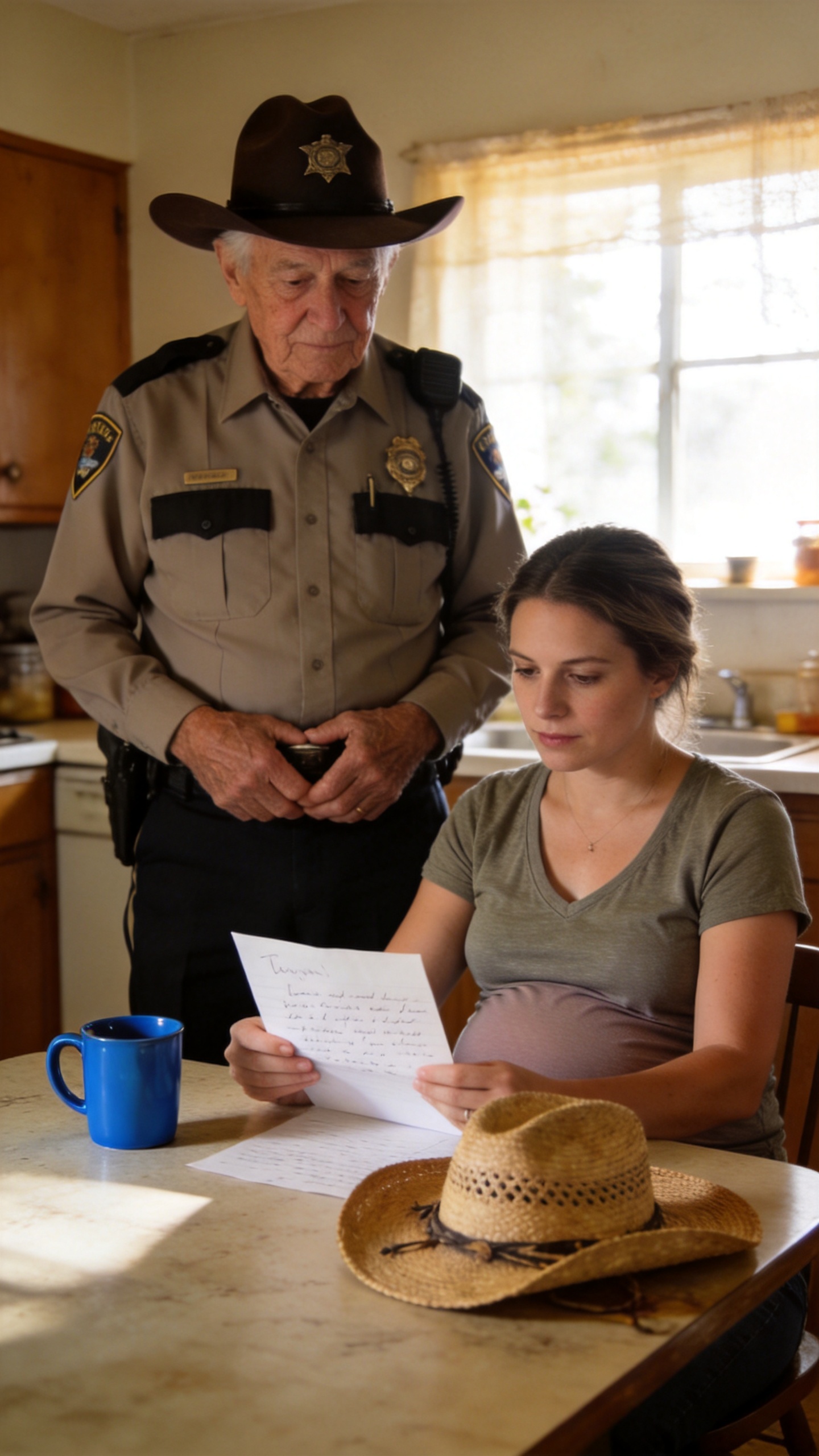
A note was taped inside the refrigerator door in my mother's sharp handwriting.
"We went down to South Beach to ring in the New Year with Chloe, Mark, Ethan, and his family. Make do with whatever is in the pantry. Don't go crying to David and playing the victim. He's working hard for all of us."
Maya grabbed my sleeve with shaking fingers.
"Please don't confront her," she begged. "She'll say I turned you against her."
I did not yell. The anger was too large for noise.
I asked Maya when she had last eaten anything real. She stared at the floor and admitted she had been stretching ramen broth since the previous morning because walking to the store pulled at her stitches and she was afraid to take Liam into the cold.
She had texted Eleanor twice. The first reply told her not to be spoiled. The second told her good wives did not make their husbands worry while they were earning money abroad.
I photographed everything: the bare refrigerator, the cold ramen, the blood on Maya's cardigan, the note, and Liam's thin blanket. Then I wrapped my son inside my winter coat and lifted my wife into my arms.
In the cab to the hospital, fireworks began over the East River. Maya shivered against me with a fever, and Liam finally slept against my chest.
Before we reached the emergency entrance, I opened my banking app and canceled every authorized user card tied to my account.
My mother had one. Chloe had one. Mark, my brother-in-law, had one too.
At that exact hour, they were drinking champagne at a five-star resort in South Beach, certain that my income would protect them from consequences.
They were wrong.
What the Doctor Said
The emergency physician came out with the kind of expression that makes a hallway go silent.
"Your wife is severely malnourished," he told me. "She has hypoglycemia, an infected surgical wound, and early signs of postpartum depression. A few more hours and she could have slipped into a coma."
I had no defense.
I had been working fourteen-hour days in Germany, telling myself that sending money made me a responsible husband. In that hospital corridor, I understood that my absence and blind trust had almost killed Maya.
The nurse asked who had been helping at home. I started to answer with my mother's name, then stopped because the answer sounded obscene in that sterile room. Helping was not what Eleanor had done.
Maya had an IV in one arm, antibiotics running into the other, and Liam slept under a warmer while a pediatric nurse checked his temperature again. Every beep from the monitors felt like an accusation I had earned.
At 3:00 a.m., I opened my bank statements.
The fourteen thousand dollars meant for a night nurse, groceries, medicine, and baby supplies had paid for five first-class tickets, an oceanfront suite, spa appointments, lobster dinners, and a VIP table at a New Year's party.
Then I opened our home security cameras.
Three days earlier, Eleanor and Chloe had packed our refrigerator into heavy coolers. Maya stood nearby, bent with pain, begging them to leave the baby's formula.
"Don't be dramatic, Maya," my mother said on the recording. "You have bread and instant soup. The expensive food will spoil while we're gone."
Chloe laughed while sealing one cooler with duct tape. She reminded Maya that women in "the old days" gave birth in fields and went back to work, as if cruelty became wisdom when repeated by relatives.
Mark appeared behind them with a suitcase.
"Don't even think about calling David," he told Maya. "You'll stress him out, and he'll realize what a high-maintenance wife you are."
The camera caught Maya reaching for the formula can. Mark lifted it over her head and handed it to my mother. Liam cried from the bedroom, and nobody moved toward him except Maya, who had to brace herself on the wall before taking a step.
I saved every file and sent it to Julian, my best friend and attorney.
The Cards Started Declining
By 10:00 a.m. on New Year's Day, declined-card alerts began hitting my phone.
First came the resort spa. Then a luxury brunch spot. Then the hotel checkout desk.
My phone filled with missed calls and frantic texts. I replied only once in the family group chat.
"Maya is in the hospital. The money I sent for her recovery was stolen. Every account is frozen while my lawyer compiles the evidence."
Eleanor answered first, not with concern, but with outrage.
"How dare you embarrass us over a misunderstanding?" she wrote. "Your wife is weak, and now you are punishing your own mother on a holiday."
Chloe sent a photo of Noah asleep on a hotel couch and asked if I wanted a child to suffer because Maya could not take a joke. Mark called fourteen times in six minutes.
Two days later, they limped back to New York after Chloe pawned jewelry to settle part of the hotel bill.
My mother made a scene in our apartment lobby, screaming that I was an ungrateful son. Mark claimed Maya had faked her illness to turn me against my own blood.
I asked the building manager to open the resident conference room and activate the large screen.
In front of neighbors and relatives, I played the bank records, the hospital diagnosis, and the unedited security footage. When the room heard Eleanor order a woman fresh from surgery to survive on instant soup, every defender went quiet.
My uncle, who had arrived ready to lecture me about filial duty, looked at the hospital photographs and lowered his eyes. A cousin who had shared Mark's post deleted it while standing in the back of the room.
Mark still refused to stop.
That night, he posted on Facebook that Maya had postpartum psychosis, had thrown away good food, and had forced me to throw an elderly woman into the cold. He attached edited video clips and pictures of my mother crying.
Within hours, strangers were attacking Maya online while she lay in a hospital bed.
She read the comments without breaking.
"I'm done hiding," she said. "Publish everything."
With Julian's guidance, we released the full security video, itemized statements, and hospital evaluation. The story flipped before sunset.
Then Julian received a call from the District Attorney's office.
The Fraud Behind the Cruelty
Mark had been running a scheme for months.
He had collected tens of thousands of dollars from families across New Jersey and Connecticut by promising fake subcontracts through my engineering firm. He had forged my signature, copied company seals, and issued false sponsorship letters.
When I froze the accounts, Mark thought I had uncovered everything. His public smear campaign had not been about defending my mother. It had been a desperate attempt to silence me.
Julian put a thick folder on my desk.
"The arrest warrant has been signed," he said. "But when they pull him in, another truth is going to come out."
He showed me copies of emails Mark had sent from addresses designed to look like my company's domain. Each message promised desperate applicants that I could sponsor visas, guarantee contracts, or move their families to America if they paid quickly.
Some victims had sold cars. One couple had borrowed against their retirement account. Mark had not merely used my name; he had turned my reputation into bait.
Police arrested Mark the next morning at a cheap motel near JFK Airport. They found fake IDs, fraudulent contracts, victim lists, and messages where he bragged about charging people ten thousand dollars each for fake job visas.
That afternoon, Chloe came to Maya's hospital room with her six-year-old son, Noah.
She no longer looked smug or polished. Her makeup had run down her cheeks, and her voice shook when she spoke.
"David, please help us," she sobbed. "Debt collectors came to my door. Mom fainted when police dragged Mark away."