They Tried To Remove Me From First Class Like I Had Stolen The Seat, Until The Pilot Saw The Old SEAL Mark On My Back And Asked Where I Served
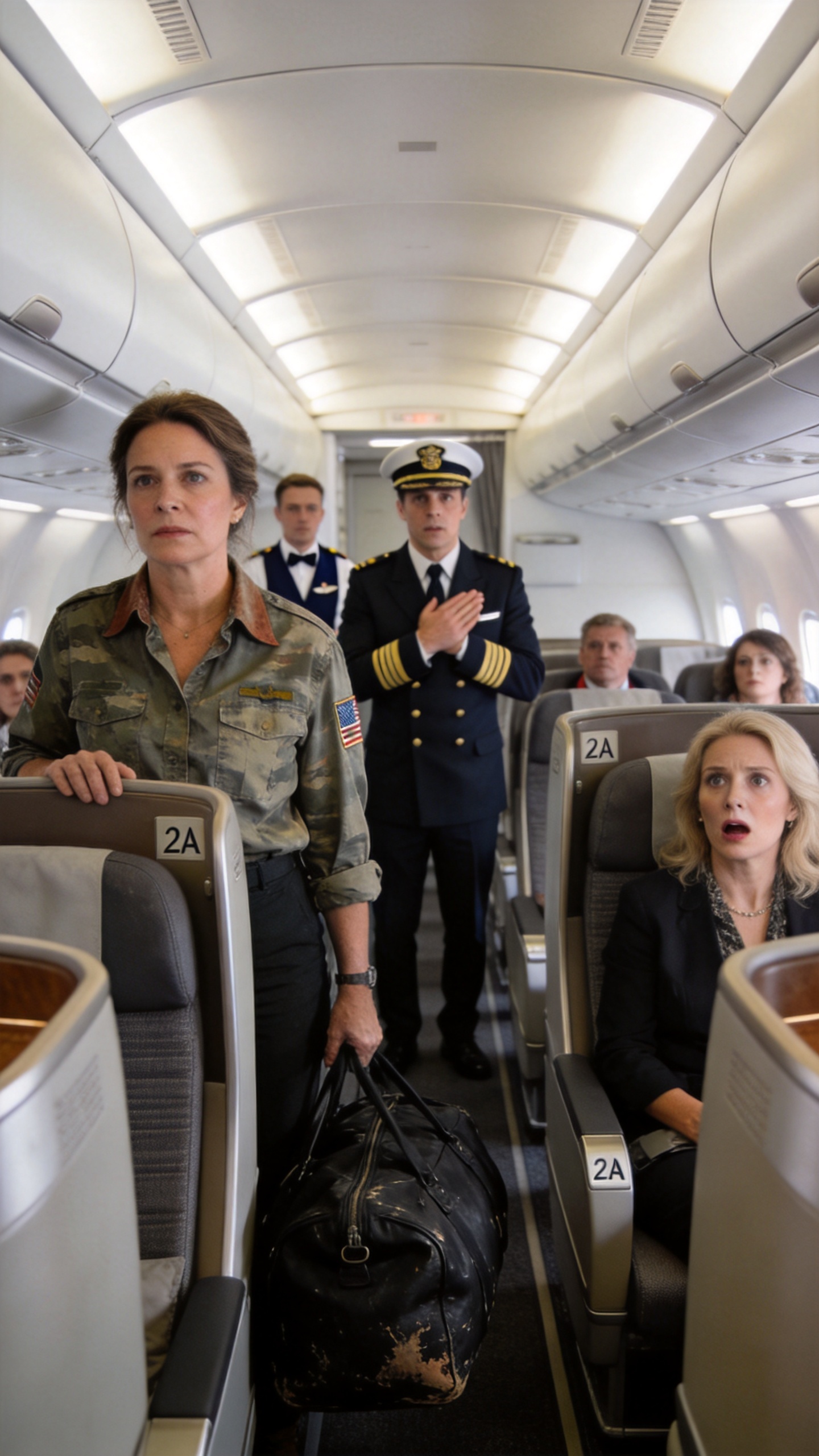
Renee knew the woman in 2A had decided she was trouble before the cabin door closed.
The glance moved over her worn duffel, her plain jacket, the scar peeking when her collar shifted. Then came the smile people use when they are about to ask someone else to do their cruelty for them.
"She looks like she belongs in the service line," the woman said.
The flight attendant froze between politeness and panic. A few passengers looked down at their phones with the sudden concentration of people grateful not to be involved.
Renee did not argue about the seat. She had the boarding pass. She had the miles. She had earned worse rooms than this one.
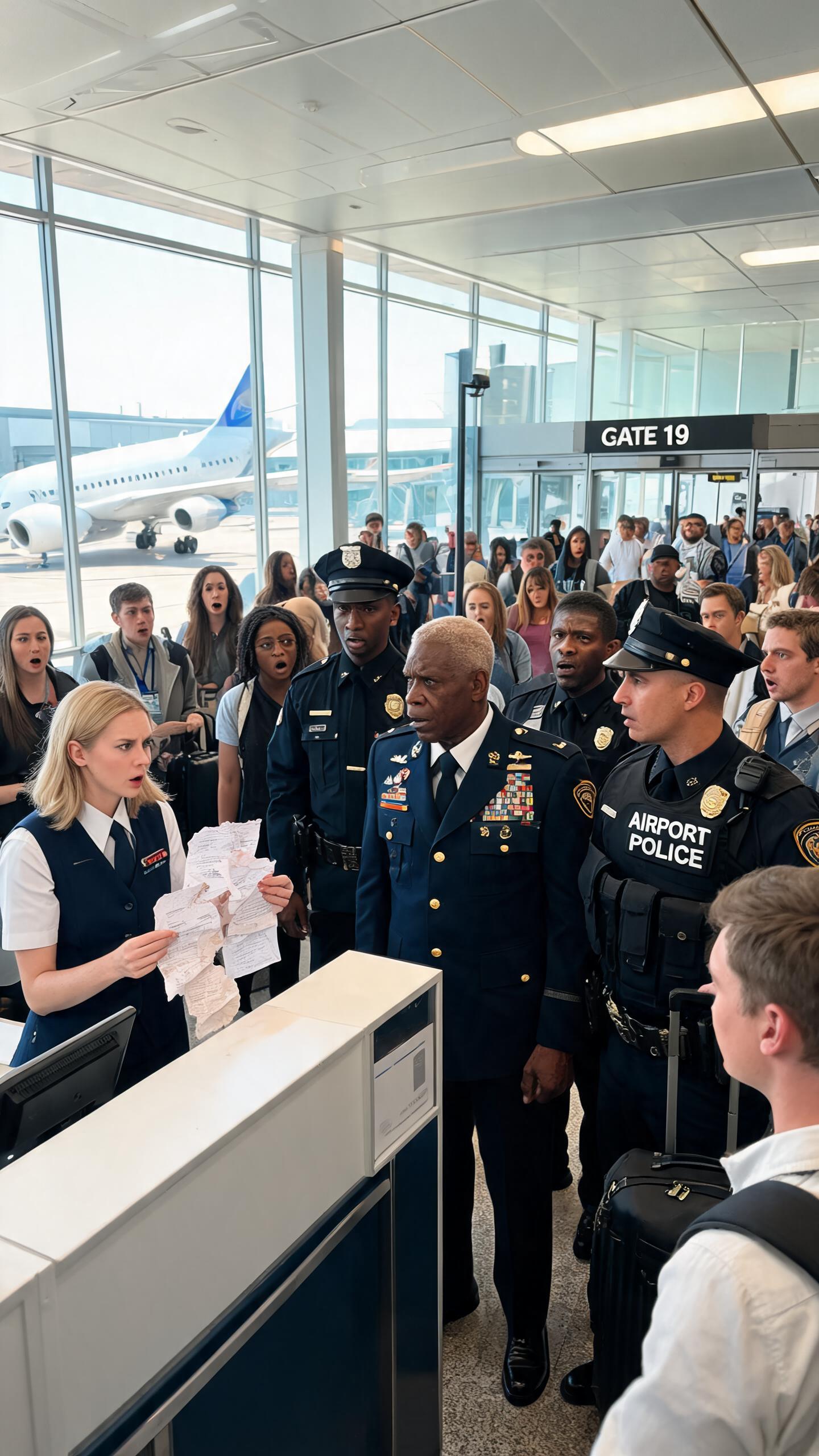
Then Captain Ellis stepped from the cockpit, saw the old SEAL mark on her back, and stopped like the aisle had changed shape.
Seat 2A Wanted Her Removed Before Takeoff
Renee had heard people misread quiet service before.
Years of being corrected when she was right, softened when she was angry, ignored when she had proof, and told to keep the peace by people who had never once protected hers. The insult in the aisle of a first-class cabin before takeoff did not come from nowhere. It had roots. It had practice. It had been rehearsed in smaller rooms long before it became public.
the nervous flight attendant stood close enough to matter and did not stop it.
The cabin hurt because every passenger understood the accusation without anyone needing to say the ugly part directly.
Renee knew exactly how they were.
Renee recognized the pause before removal, when politeness becomes a uniform someone else can borrow.
This time, she did not save them.
She let the silence do what explanations never could.
The Duffel Carried More Than Clothes
Seat 2A believed a cabin full of passengers would make Renee easier to move.
It was not.
a worn black duffel and a shifted shirt collar mattered because it carried the part of the story nobody had cared to ask about. People like the woman in seat 2A always assume quiet women have no records, no witnesses, no history outside the version they repeat at dinners and counters and courtrooms. They think the person who does not brag must have nothing to show.
But Renee had learned to keep copies.
She had learned that some marks are not meant to impress strangers. They are meant to remind survivors what they carried.
That person arrived as Captain Ellis from the cockpit.
The change began when Captain Ellis stopped looking like a pilot managing a complaint and started looking like a man recognizing service.
Then Captain Ellis from the cockpit looked past the noise and addressed Renee correctly.
That was when the room began doing the math.
Captain Ellis Saw The Mark Everyone Else Missed
The proof was not a speech. It was a mark Captain Ellis recognized before anyone else did:
the old SEAL tattoo, scars, and the deployment memory the pilot recognized.
For a second, nobody moved.
Not from confusion. From recognition.
Understanding often looks like silence before it looks like regret. The people who had laughed too quickly stared at plates, phones, shoes, ceiling lights, anything except the woman they had helped corner. the woman in seat 2A tried to speak first, of course. People who build themselves on control always reach for volume when facts turn against them.
Noise had reached the end of what it could protect.
Captain Ellis from the cockpit continued calmly. Each sentence removed another piece of the false version. The room learned who had been lying, who had been pretending, who had mistaken access for ownership, cruelty for discipline, arrogance for class, or noise for rank.
Renee did not smile.
People later wanted the moment to be glamorous. Renee remembered the old scar itching under recycled cabin air.
Captain Ellis did not ask the question like a fan.
He asked it like a man who had once stood close enough to the same kind of darkness to know that symbols are not decoration when they are carved into a life.
Renee could have ignored him. A younger version of her might have. She had spent years learning that strangers love stories of service only after they have finished judging the person who served. But the woman in 2A was still staring, the flight attendant was still holding Renee's bag like evidence, and the whole cabin was waiting to see which version of the truth would be allowed to stand.