"Your SUV Has Already Been Sold, Selene," My Husband Said. "My Mother Needed The Money More Than You Did." Then I Opened The File That Proved The Sale Was Only The First Theft
Phoebe kept saying mothers make sacrifices.
I kept handing over documents.
By midnight, Owen was packing a bag in the bedroom we had painted together three summers earlier.
"You will regret turning your family into criminals," he said.
I looked at the suitcase in his hand.
"I did not turn you into anything. I opened the file."
The SUV Came Back, But I Did Not
The dealership returned the SUV three days later on a flatbed.
It looked freshly washed, almost apologetic.
My sunglasses were still in the console. My emergency flats were still under the back seat. Aunt Gertrude's tiny ribbon still hung from the rearview mirror.
I sat behind the wheel and cried for exactly two minutes.
Then I called Joanne and asked what came next.
What came next was not dramatic.
It was paperwork, court dates, bank affidavits, notary board complaints, dealership statements, and the slow public death of Phoebe's belief that charm could cover forgery.
Marlene Voss lost her notary commission.
Phoebe's accounts were investigated.
Owen tried to claim he had acted under pressure from his mother, but text messages showed him telling her, "Selene will be tired tonight. She will not check the file until tomorrow."
That text became my favorite page in the packet.
Not because it hurt.
Because it proved he had known I was careful and had planned around my exhaustion.
The judge ordered the vehicle returned, Owen held liable for damages, and all property inquiries involving my name voided.
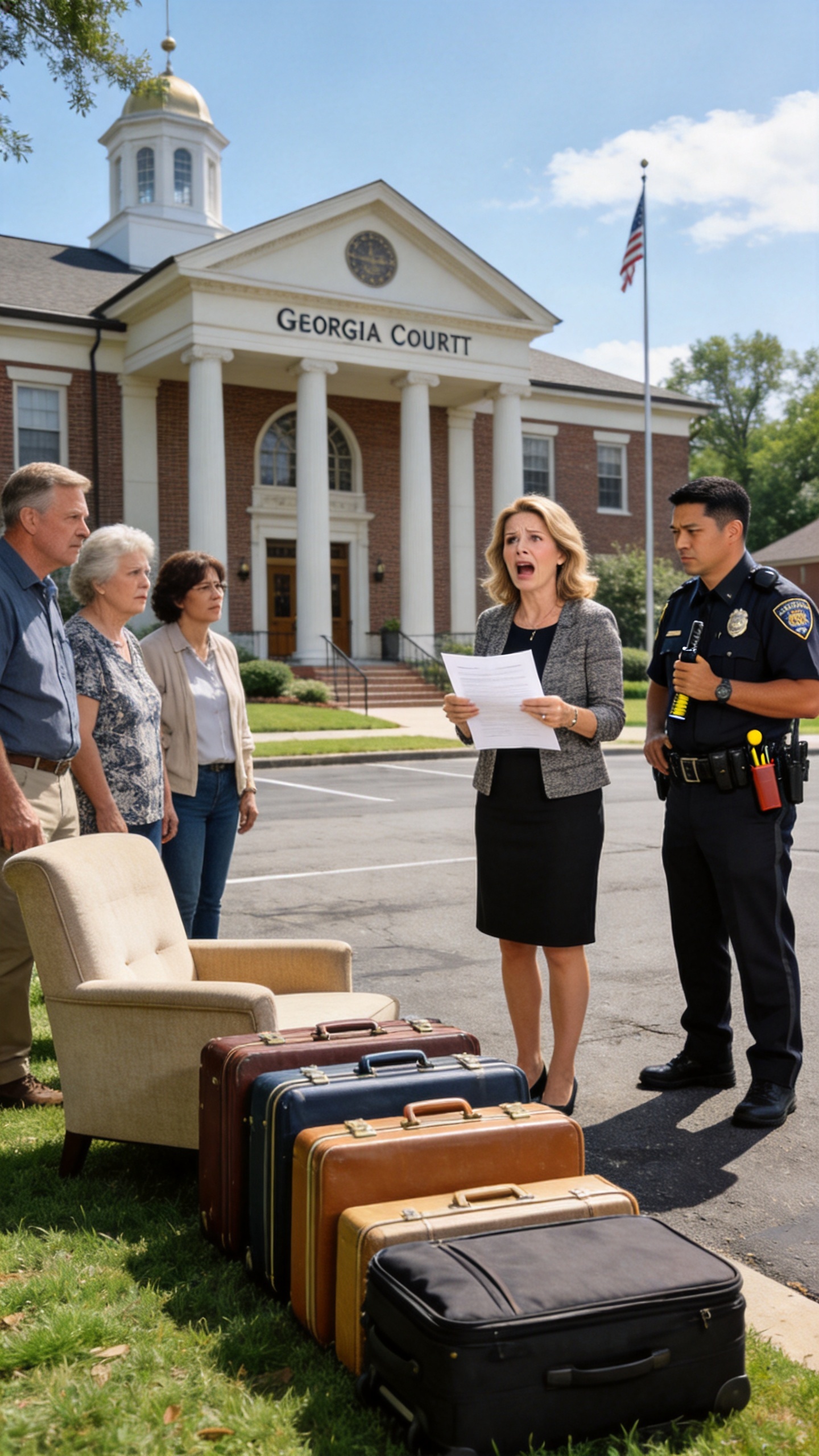
Outside the courthouse, Owen tried one last time.
"Selene, please. I loved you. I panicked."
I looked at the man who had tried to sell my freedom and call it dinner.
"A partner who steals your agency is not a partner," I said. "He is a captor with a wedding ring."
Weeks later, I sold the SUV myself.
That choice surprised people.
They expected me to keep it as a symbol.
But I did not need the same car back to prove I was free.
I bought a smaller vehicle in cash, registered only to me, parked it outside my new apartment, and tied Aunt Gertrude's ribbon to the mirror.
Freedom had never been about silver paint or leather seats.
It was about knowing no one had the right to take my keys, my name, or my road away from me again.
The Bigger Betrayal Was Hidden In The Way They Expected Me To Cook
The strangest part was not that Owen had sold the SUV.
It was that he still expected dinner.
He still believed the kitchen would pull me back into the role he understood: tired wife, damp coat, sore feet, dinner on the table, anger folded away before his mother could call it disrespect.
That expectation told me more than the forged paper.
It told me they had rehearsed my obedience.
Phoebe had moved into our home three months earlier after claiming her rent had doubled and her arthritis made stairs impossible.
At first, she was grateful.
Then she was advisory.
Then she was supervisory.
She told me my real estate clothes were too sharp for a married woman. She told Owen I was becoming obsessed with money. She told neighbors that she worried I worked so late because I liked being admired by male clients.
Owen never defended me.
He translated.
"Mom is old-fashioned."
"Mom means well."
"Mom is under stress."
Stress became the family language for anything Phoebe wanted.
When she wanted the guest room repainted, she was stressed.
When she wanted her credit card paid, she was stressed.
When she began using my SUV for errands without asking, she was stressed.
I did not see the pattern because I was too busy trying to be reasonable.
Reasonable women are convenient targets.
They explain instead of refuse.
They compromise until the other side mistakes compromise for permission.
Looking back, the SUV sale had been coming for months.
Phoebe had asked where I kept the spare key.
Owen had asked whether my aunt's gift had ever been "properly added to the marriage."
Marlene Voss had visited for coffee and made a strange joke about how signatures all looked different when people were tired.
Each moment had been small enough to dismiss.
Together, they formed a map.
After the police left, Joanne asked me to walk her through everything I remembered, no matter how minor it seemed.
So I talked.
I talked about Phoebe opening my mail.
I talked about Owen asking for my online banking password after claiming he wanted to organize tax documents.
I talked about the missing title folder that reappeared two days later in a different drawer.
Joanne wrote it all down.
"They were testing access," she said.
That sentence landed harder than I expected.
Testing access.
Not making mistakes.
Not needing help.
Testing how close they could get to my property before I noticed.
The next morning, my phone filled with messages from Owen's relatives.
His sister called me cruel.
His uncle said marriage meant sacrifice.
Phoebe's cousin told me older women deserved security.
No one asked why an older woman's security required a forged signature on my vehicle.
So I sent one group reply.
The SUV was titled only to me. My signature was forged. The police report is filed. Do not contact me again unless you are providing evidence.
The family chat went silent.
Then Phoebe called me ungrateful.
I almost replied.
Instead, I sent that message to Joanne too.
Documentation became my new language.
For years, I had tried to make Owen understand my feelings.
Now I only needed officials to understand the facts.
The facts were enough.
The facts said my vehicle had been sold without consent.
The facts said my name had been used on documents I never signed.
The facts said the money was not used for medicine.
The facts said Owen's family had mistaken marriage for access and access for ownership.
When the dealership manager called again, his voice had changed completely.
He no longer sounded inconvenienced.
He sounded afraid.
They had reviewed camera footage.
Owen had not come alone.
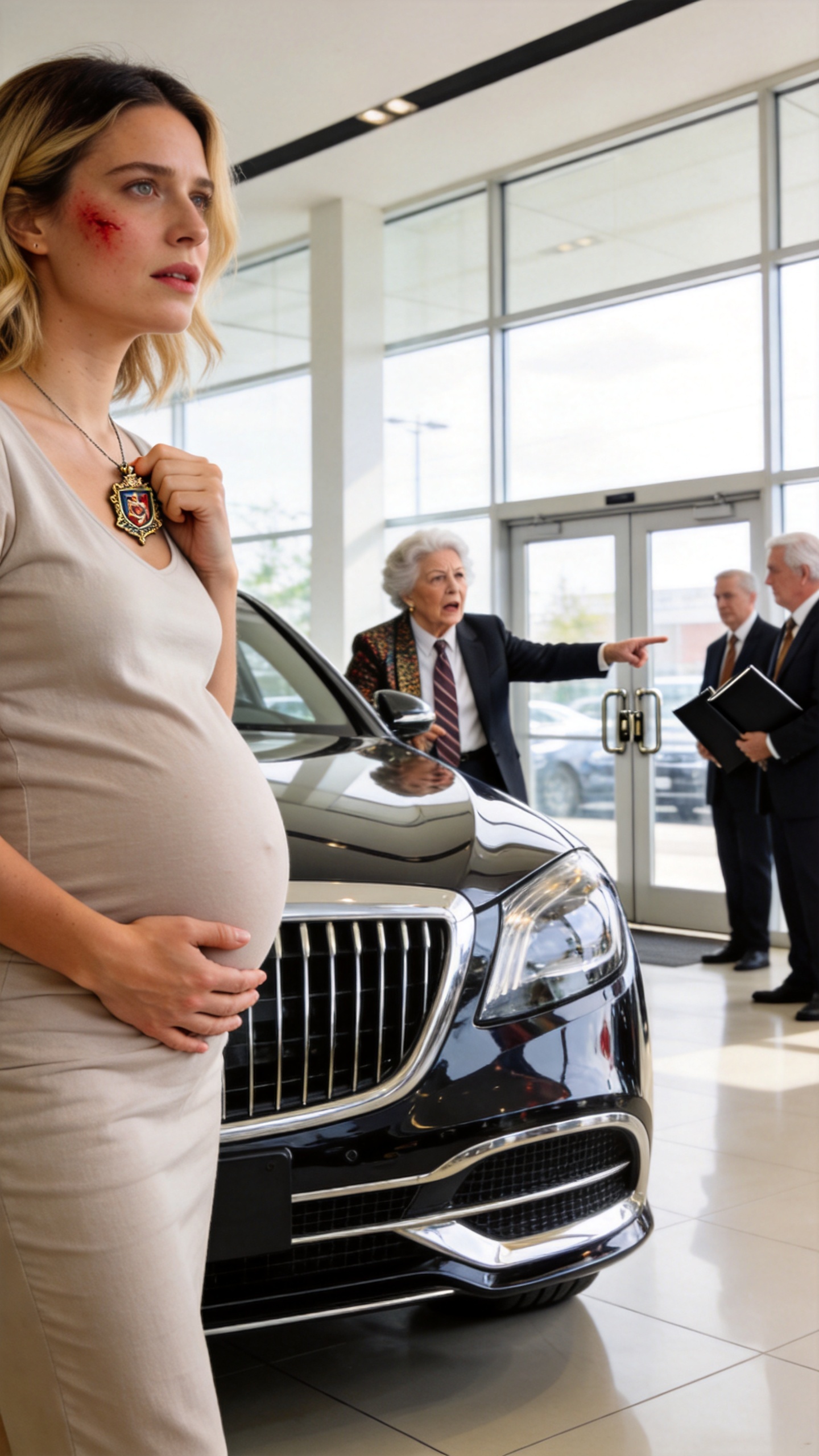
Phoebe had been beside him, wearing sunglasses indoors, carrying the folder I kept in my hall cabinet.
Marlene had arrived ten minutes later.
The dealership had footage of all three of them at the sales desk.
"Please preserve that footage," Joanne said into the phone, her voice sharp enough to cut through apology.
The manager promised he would.
That footage became another page in the file.
Another nail in the story that I was overreacting.
Another reason I did not heat up dinner.
<!-- expanded-more-20260618 -->
The Court Did Not Care How Offended His Mother Felt
Phoebe arrived at the first hearing wearing black, as if my refusal had killed something sacred.
Maybe it had.
It had killed her assumption that my marriage made my property available for family emergencies she invented.
Owen sat beside her instead of beside me.
That hurt for exactly one breath.
Then Joanne opened the dealership footage.
The courtroom monitor showed Phoebe walking in with my blue folder under her arm.
It showed Owen signing.
It showed Marlene stamping.
It showed three people moving around my name as if I were already absent from my own life.
Phoebe's attorney tried to describe it as a domestic misunderstanding.
The judge looked at the screen and said, "Domestic does not make a forged authorization legal."
That sentence did more for me than any apology Owen later attempted.
It reminded me that the truth did not need to be emotional to be complete.
The court ordered all sale proceeds frozen pending investigation, barred Owen from accessing my property records, and required Phoebe to produce documentation for every dollar she claimed was for medical care.
She produced none.
Outside the courtroom, she hissed that I had humiliated an old woman.
I looked at her designer handbag, the one purchased two days after my SUV disappeared.
"No," I said. "I identified one."
For the first time, Phoebe had no comeback ready.
The Part Owen Never Understood
The most painful truth was not that Owen chose his mother over me.
It was that he never believed choosing me required respecting what was mine.
He thought love meant I would absorb the loss, solve the transportation problem, protect his reputation, and still feed him before bed.
That was the marriage he wanted back when he cried in the courthouse hallway.
Not partnership.
Access.
Once I saw that, missing him became easier to survive.