I Delivered My Daughter Alone, And Hours Later My Mother Texted, "Your Sister's Kids Need New Phones. Send $2,000." That Was The Last Time My Family Used My Love Like A Bank Account
My hands shook so badly Caleb took the phone before I could answer.
"That is not a secret," he said. "That is bait."
Two days later, I called my grandmother Margaret and asked directly.
She sighed, not surprised.
"Your mother has been building fences out of guilt since before you were born," she said. "There is no dark secret about your father. There is only her fear that you will stop being useful."
Useful.
That word settled into me like a diagnosis.
I had not been loved more because I gave more.
I had been used more because I gave more.
And if Hazel was going to inherit anything from me, it would not be that.
Peace Was Not Given To Me. I Claimed It
Caleb's transfer to Northern Virginia came through two months later.
For the first time, leaving did not feel like running.
It felt like stepping out of a room where everyone had been shouting for years.
Our new home was smaller.
The street was quieter.
No one had a spare key except the neighbor who fed our cat when we traveled.
My phone no longer buzzed at three in the morning with emergencies that had been manufactured by other adults.
At first, the silence frightened me.
Then Hazel began filling it with little sounds: hiccups, squeals, sleepy sighs, the small music of a life that did not owe anyone money.
Months later, Penny called.
I almost did not answer.
When I did, her voice sounded tired in a way I had never heard before.
"I started working overtime," she said. "I think I leaned on you because it was easier than fixing my own life."
It was not a perfect apology.
But it was the first sentence she had given me that did not contain an invoice.
Mom called the next week.
She said therapy was helping her see how she had treated my income like a family utility.
I thanked her.
I did not remove the boundaries.
No money.
No unannounced visits.
No emotional blackmail dressed as love.
That winter, we visited my grandmother for the holidays.
Hazel slept in Caleb's arms while my family spoke carefully around the new rules.
The damage did not disappear over dinner.
But the expectation that I would always pay had been stripped out of the room.
People ask how I finally broke the cycle.
They expect a dramatic confrontation.
The truth is quieter.
I stopped answering calls designed to destroy my peace.
I stopped apologizing for having a life that belonged to my husband, my daughter, and me.
I stopped being the emergency fund for people who wanted access, not relationship.
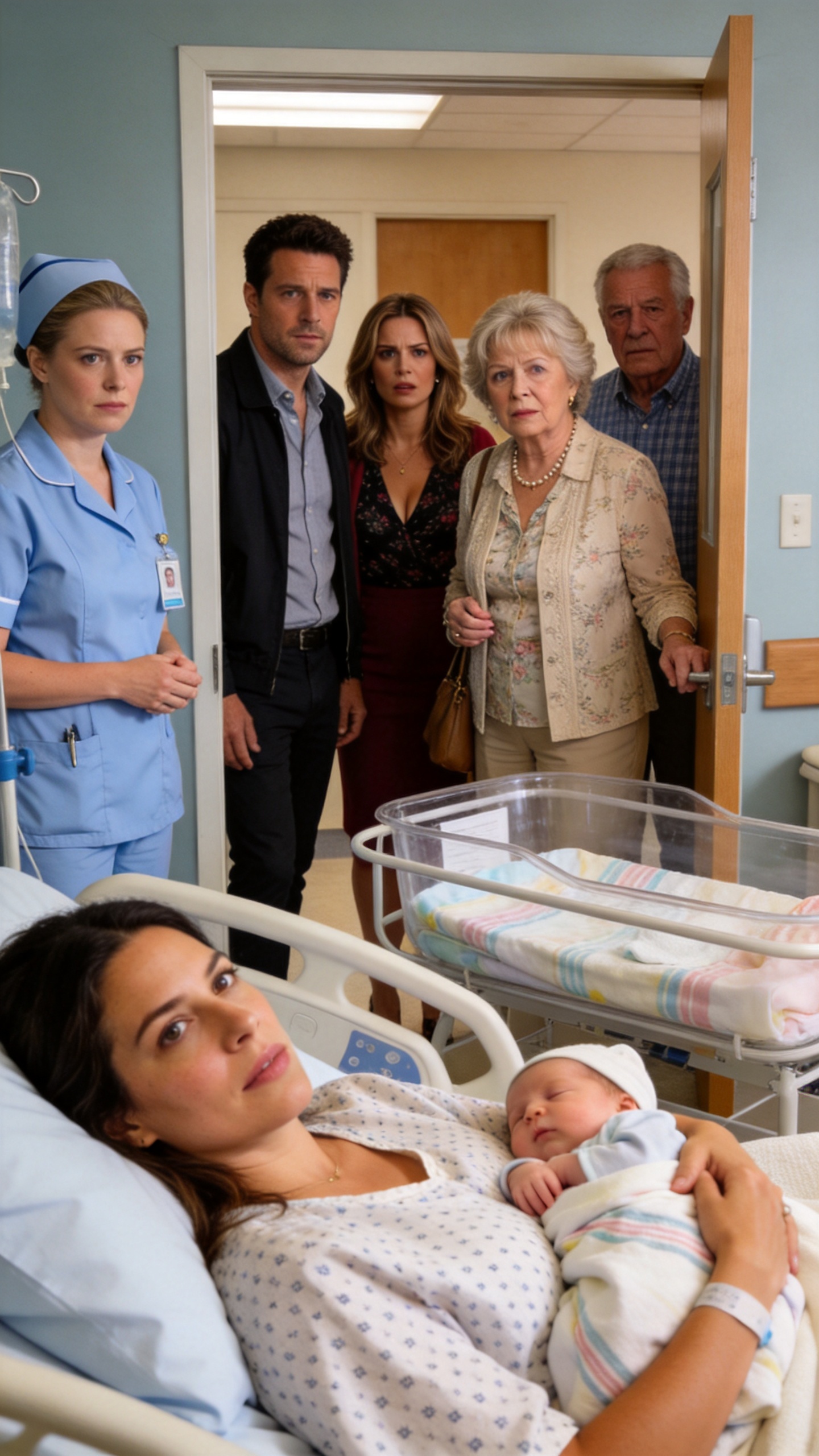
My mother asked for two thousand dollars while I was still recovering from bringing Hazel into the world.
That day, she thought she was asking for money.
She was really asking whether I would hand my daughter the same chain I had worn my whole life.
And for the first time, I said no.
The Hospital Bracelet Became My First Boundary
For years, I had believed my family would notice if I finally reached a point where I could not give anymore.
They did notice.
They just treated it as a problem to solve.
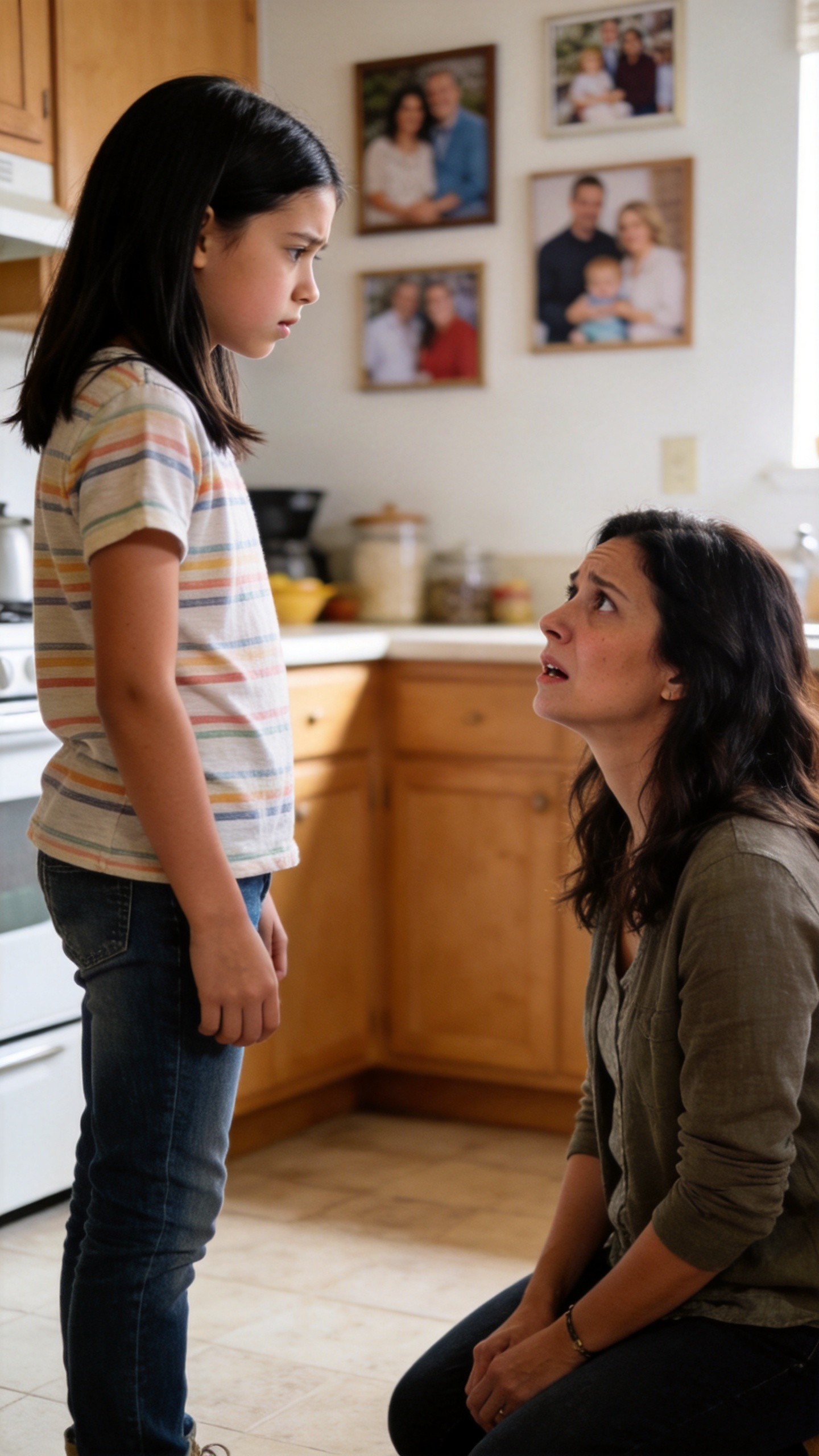
After Caleb organized the messages, he asked me a question that made me cry harder than any insult had.
"If Hazel were grown and lying in this bed, would you want her answering those texts?"
No.
The answer came so fast it scared me.
I would have taken the phone from her hands.
I would have told her that birth was not a billing opportunity.
I would have stood between her and anyone who thought love meant draining a woman while she was still healing.
Caleb nodded, as if he had only been waiting for me to hear myself.
"Then we do for you what you would do for her."
That became the rule.
The hospital bracelet stayed on my wrist longer than it needed to.
Every time I looked at it, I remembered the exact order of that day.
Hazel was born.
I survived.
Caleb loved us from far away.
My mother asked for money.
That order mattered.
It stripped away every excuse I had made for them.
When Mom later claimed she had simply been overwhelmed, I read the messages again.
There was no confusion in them.
There was calculation.
She knew I had given birth.
She knew Caleb was away.
She knew I was vulnerable.
And she chose that moment because vulnerable daughters are easier to pressure.
Penny's children became the shield, as always.
If I said no, I was hurting the kids.
If I questioned the price, I was judging a struggling mother.
If I asked why Penny could not work more hours, I had forgotten where I came from.
The children were not the problem.
They were being used as emotional hostages in a transaction nobody wanted to name.
Once I saw that clearly, I could not unsee it.
I started a folder called Hazel's Peace.
Inside went screenshots, voicemail transcripts, bank transfers, and one photo of my daughter asleep in the hospital bassinet while my mother's demand sat open on the phone beside her.
That photo was not for revenge.
It was for memory.
Because guilt is talented.
It softens edges.
It tells you later that maybe it was not so bad.
It asks whether you are being too harsh.
I kept the photo so that on lonely nights, when I missed the idea of having a mother, I would remember the mother I actually had in that moment.
And I would choose Hazel again.
The Apology Did Not Refund The Years, But It Stopped The Bleeding
When Penny finally apologized, I did not confuse it with repair.
Repair is longer than sorry.
Repair is what happens after the performance ends and the habits still have to change.
So when she told me she had started overtime, I asked what that meant.
Not cruelly.
Clearly.
She told me she had made a budget for the first time in her adult life.
She had returned one of the phones.
She had told her children that Aunt Sarah was not responsible for every wish that crossed their minds.
That last sentence made me cry after we hung up.
Not because it fixed everything.
Because it meant one person in that house had finally said my name without attaching a bill to it.
My mother took longer.
Her apology arrived in pieces, and some pieces were still shaped like excuses.
I accepted only the pieces that were true.
Yes, she had treated me like the stable one because it was convenient.
Yes, she had confused my military discipline with unlimited endurance.
Yes, she had used Dad's memory as a chain.
No, I would not send money to prove forgiveness.
No, Hazel would not be used as a reason for access.
No, a calmer tone did not erase the boundary.
That was the hardest lesson for all of us.
Peace was not a mood.
It was a structure.
And for once, I was the one who decided where the doors went.