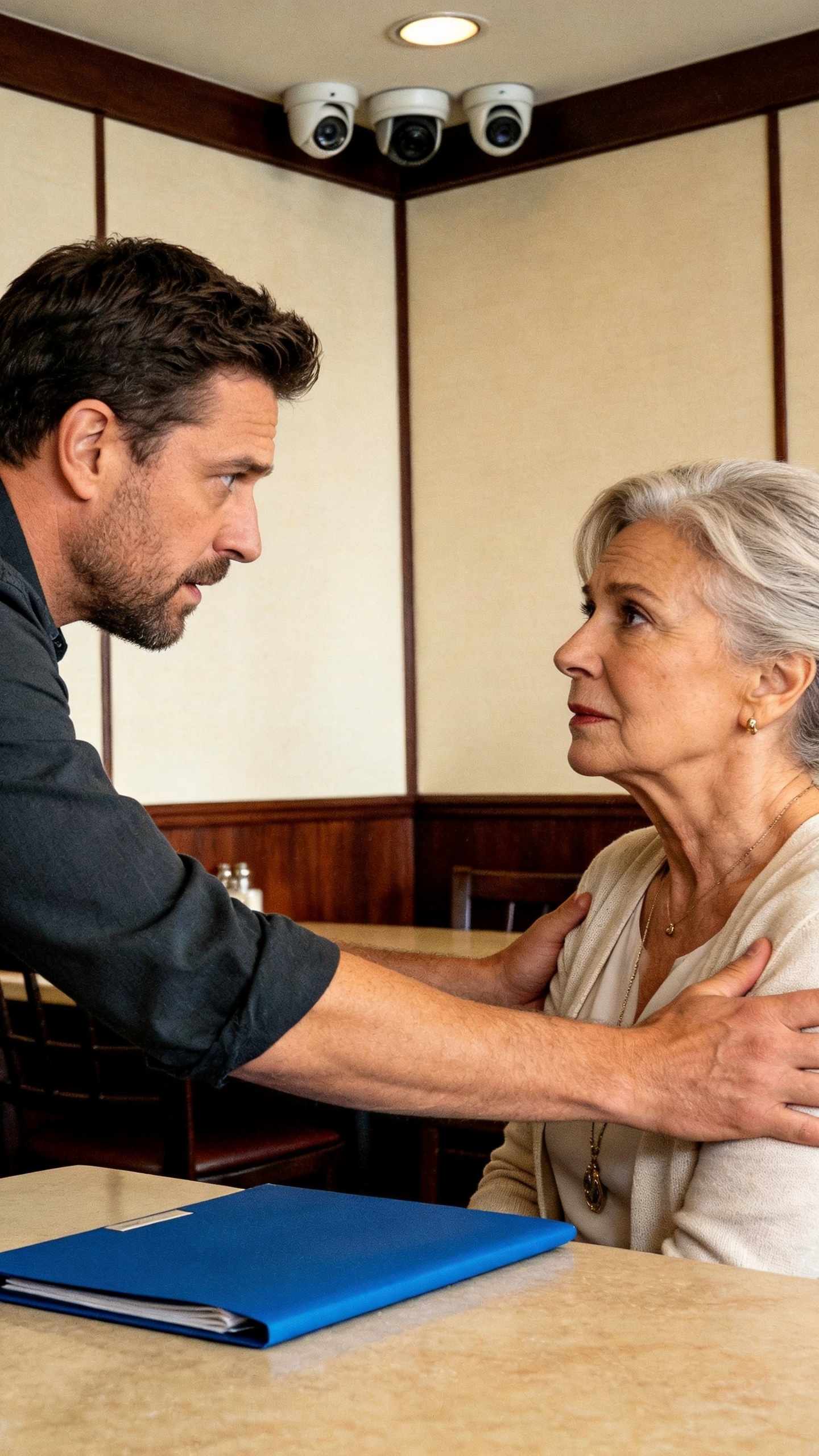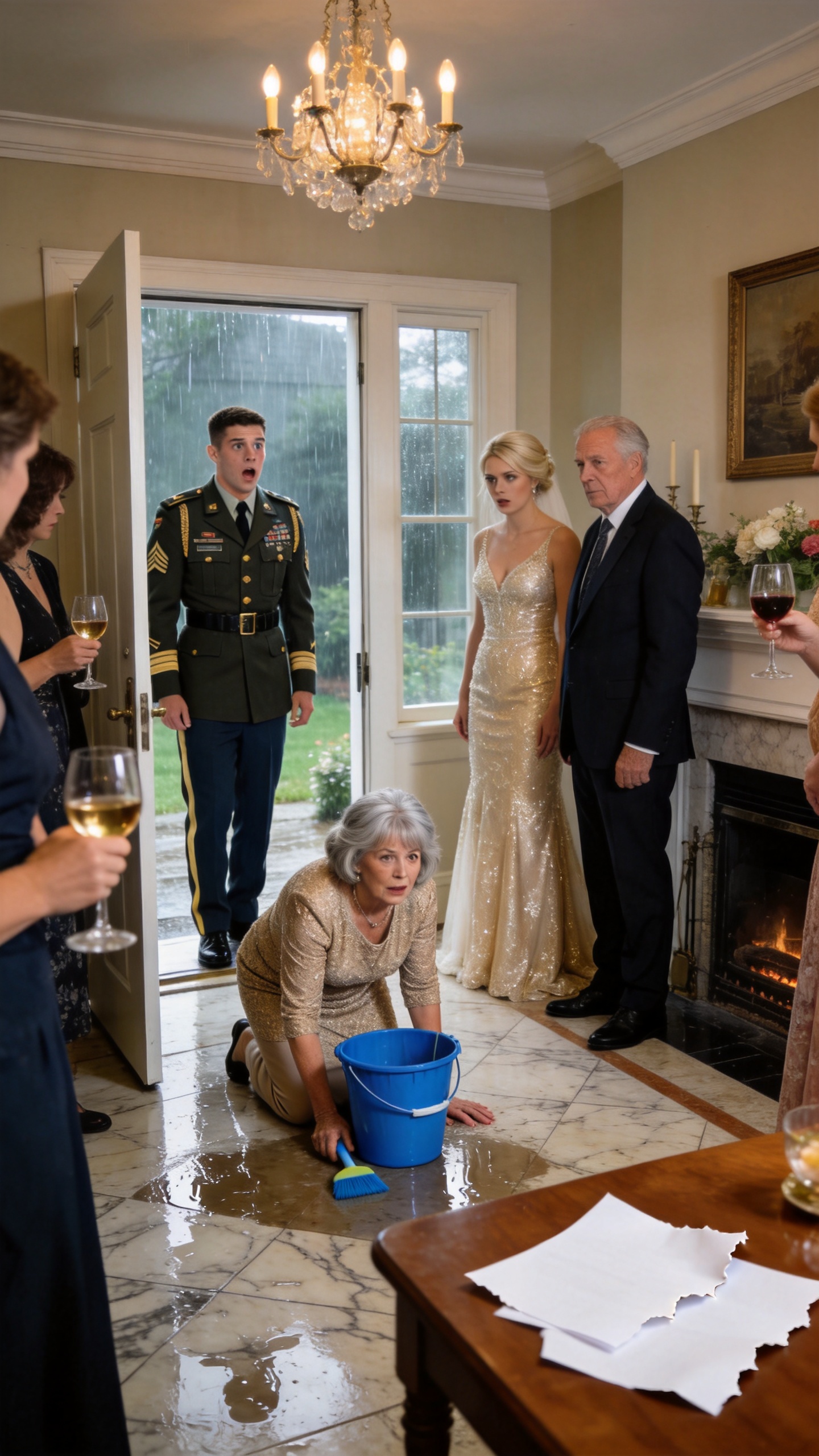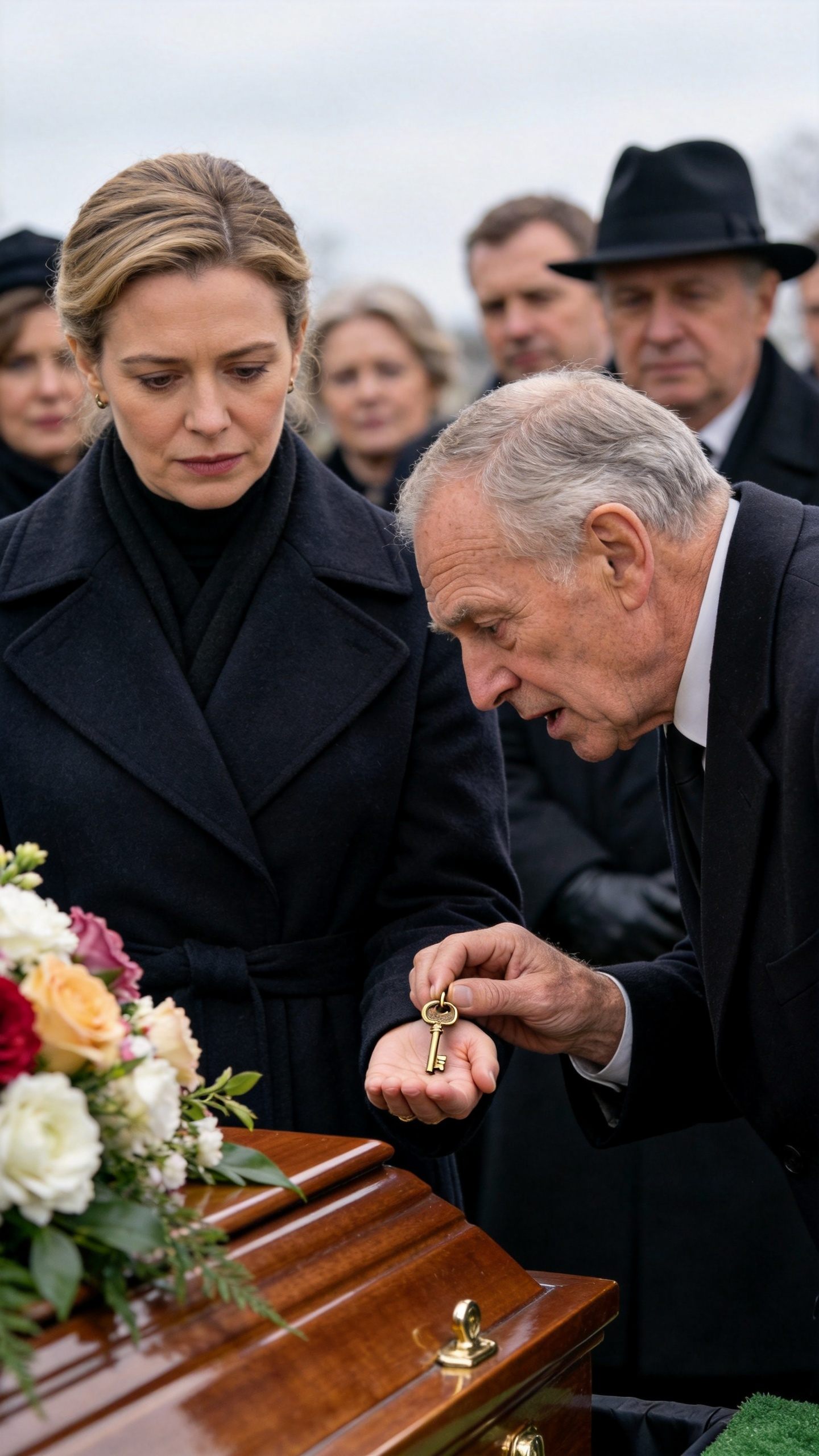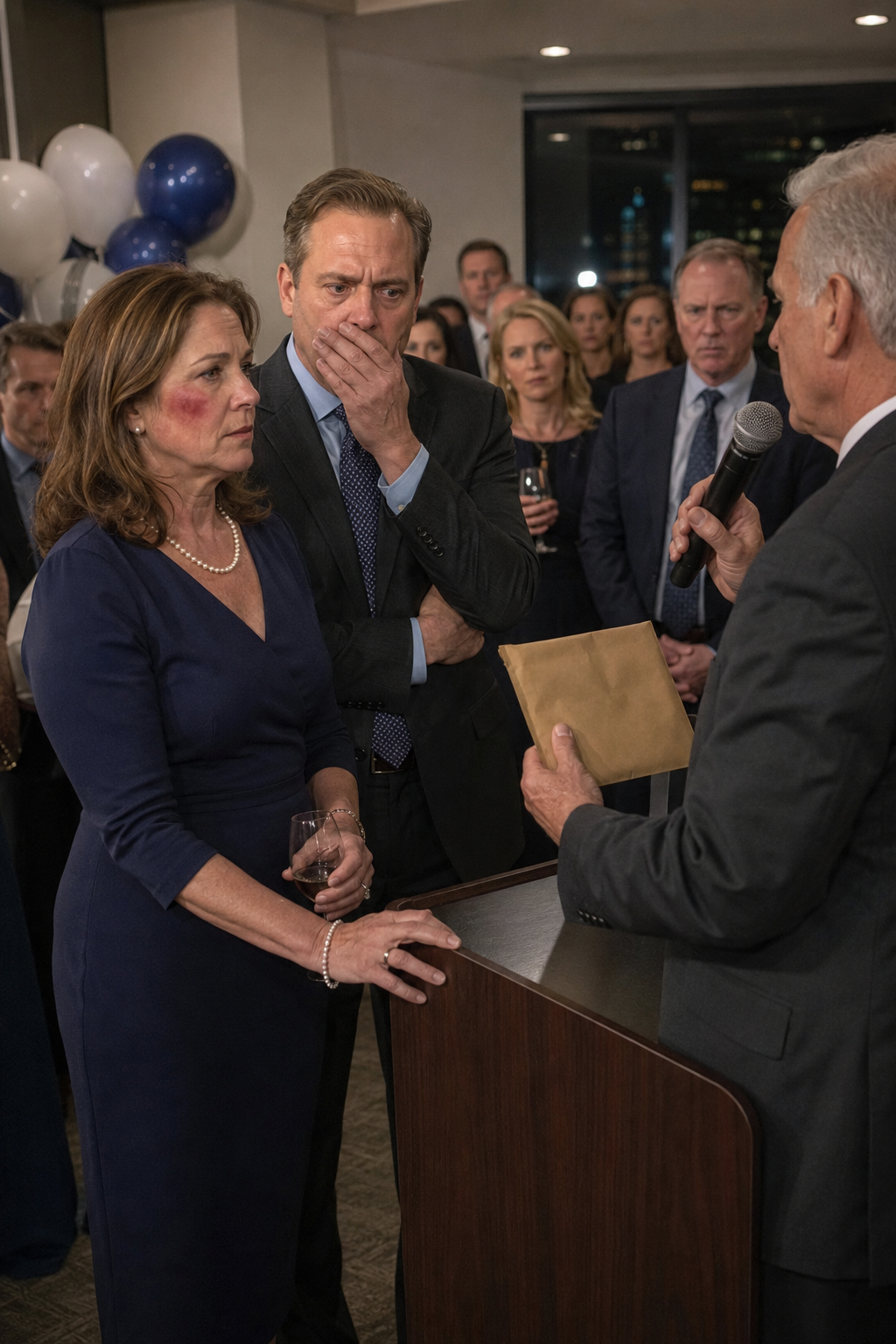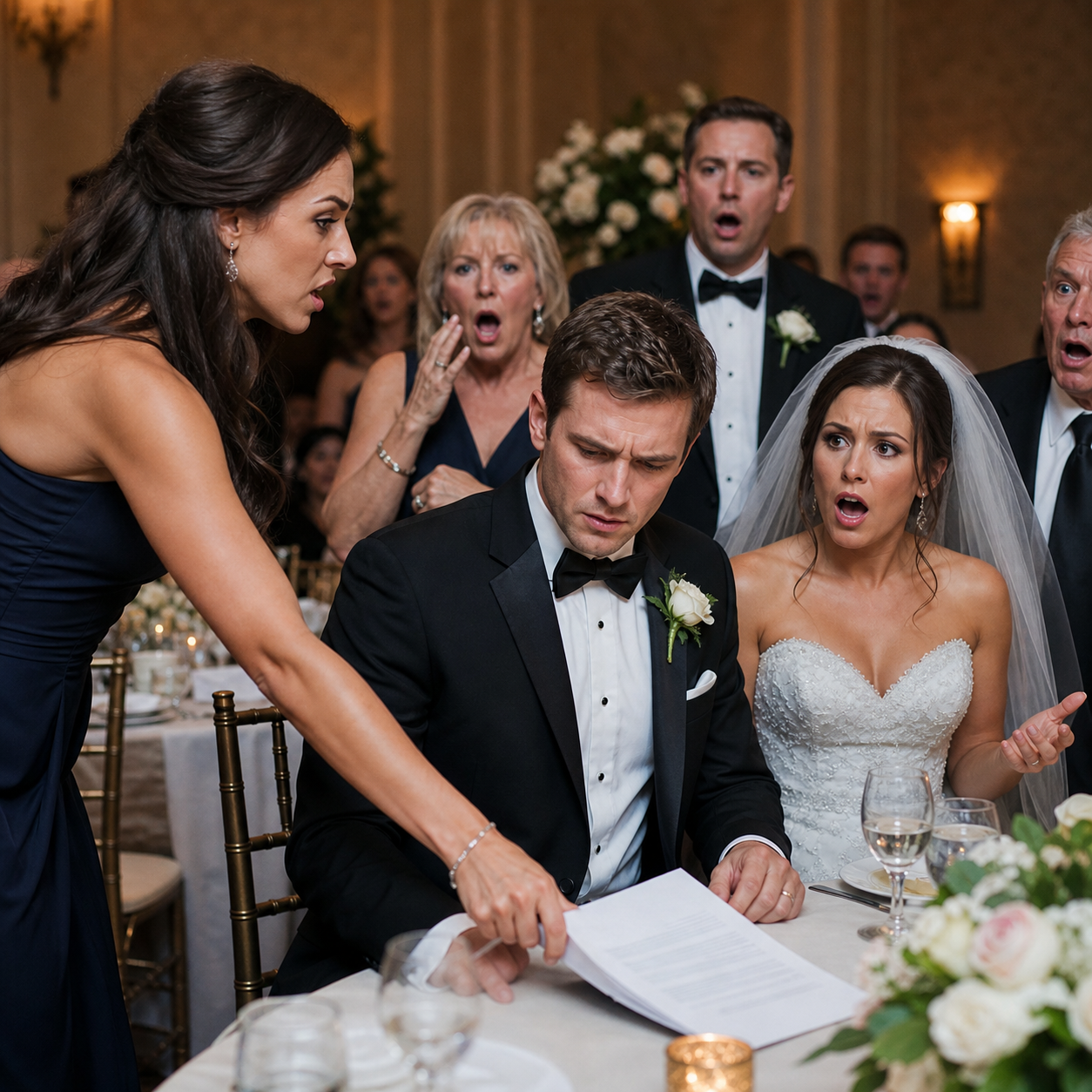
I Came Home Unannounced on New Year's Eve and Found My Wife Starving After Surgery, While Our Baby Shivered in the Cold. Then the Security Cameras Exposed the Betrayal That Ended With Police at Our Door
"He committed grand larceny and fraud," I said. "He can face the law."
Chloe sank into a chair and played an audio recording from Mark's phone.
On it, Mark told another woman he had married Chloe only to get close to my money. He said he kept feeding Eleanor's fear that Maya would replace her as head of the family.
"The old woman did the dirty work for me," he laughed.
He bragged that Eleanor needed only two sentences to become cruel: tell her Maya was lazy, then tell her Maya was stealing her son. After that, he said, my mother would defend any decision as family discipline.
Then he explained the plan. If I divorced Maya, Eleanor could control the apartment, the family trusts, and the allowances I sent home. With a newborn involved, they believed they could bleed me dry for eighteen years.
Chloe finally understood that she had abused Maya to protect a man who saw her as a key to my bank account.
Maya looked at her from the hospital bed.
"I am not asking you to forgive me," Maya said softly. "But I will never let your fear terrorize my home again. Decide what kind of mother you are going to be after today."
Maya Refused to Disappear
Chloe gave the recording to Julian and agreed to give a full deposition.
She also opened a private account Mark had managed from his phone. Inside were receipts for paid online trolls, wire transfers to rumor blogs, and a draft for another smear campaign.
Mark had planned to accuse me of abusing my mother, using old photos from a fall she had suffered a year earlier.
He did not care who was destroyed. He only wanted me frightened enough to pay his debts.
Maya asked to record a short video from her hospital room. Liam's bassinet sat beside her. She held up her medical chart, patient wristband, and admission papers.
She did not insult Eleanor or Chloe.
Her voice was still weak, and the hospital gown hung loose around her shoulders. Before Julian pressed record, she asked me to make sure Liam was visible, because she wanted people to understand that this was not gossip. It was a mother trying to stay alive for her child.
"I stayed silent for years because I didn't want to break up a family," she said. "I almost left my newborn son without a mother. No woman should endure starvation, humiliation, or abuse to prove she is a good daughter-in-law."
The video spread fast. Thousands of women replied with stories of their own.
For the first time, Maya understood that silence had not kept peace. It had only protected the people hurting her.
Messages came from nurses, teachers, young mothers, older women, and daughters-in-law who had been told patience was the same thing as virtue. Maya read them between medication rounds, sometimes crying, sometimes simply nodding as if a door had opened inside her.
A few days later, relatives gathered at my mother's apartment. My eldest uncle arrived determined to restore order.
"Family matters stay inside the family," he declared. "A mother is still a mother."
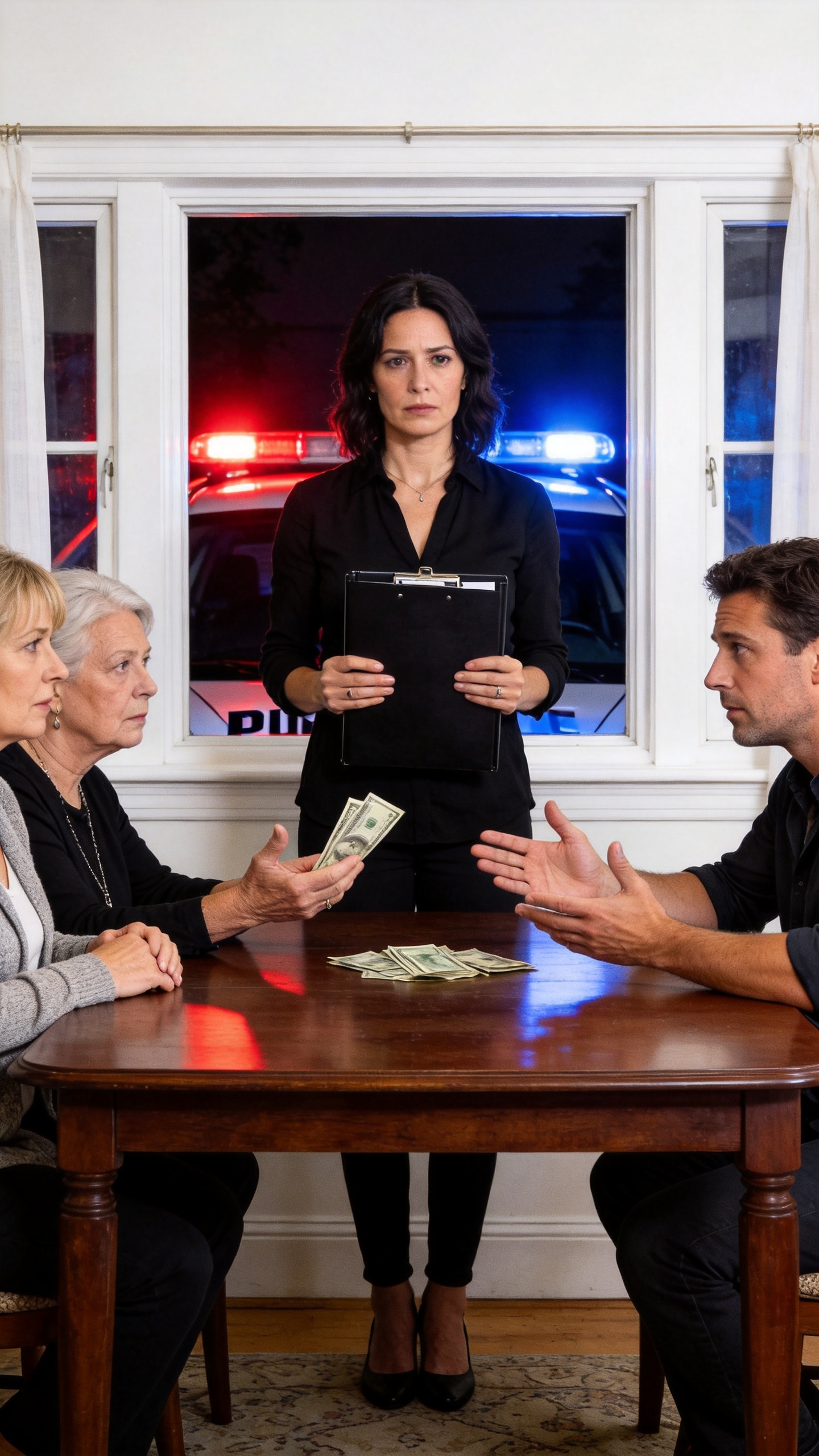
Julian placed five criminal fraud complaints on the coffee table. I played Mark's recorded call through a speaker.
His voice filled the room, mocking Eleanor, calling Chloe useless, and describing exactly how he had manipulated my mother's insecurity to isolate Maya.
Eleanor sat frozen.
"You starved Maya because this man told you she was your enemy," I said. "You nearly killed the mother of your grandson to fund a vacation for someone who called you a fool."
My mother's lower lip trembled. She reached toward her chest, lost control of her left side, and collapsed from the couch.
Relatives panicked and tried to lift her.
Maya stepped forward at once.
"Don't move her!" she shouted. "It could be a stroke. Clear the space and call 911."
Maya had taken adult and pediatric first-aid courses for her former job as an elementary educator. She kept Eleanor's airway clear and turned her safely until paramedics arrived.
The woman Eleanor had left bleeding and starving had just saved her life.
When the paramedics wheeled Eleanor out, several relatives turned toward Maya with stunned shame. Nobody called her dramatic then. Nobody asked her to stay quiet for the family's image.
The Last Lies Fell Apart
Doctors confirmed a severe ischemic stroke caused by a hypertensive crisis. Maya's quick response saved Eleanor, but the stroke left her partially paralyzed and struggling to speak.
Days later, Maya visited her room.
Eleanor cried silently and tried to apologize, but the words came out slurred and broken. Maya held her hand with calm dignity.
I stood by the door, ready to intervene if Eleanor tried to turn pain into pressure. She did not. She only stared at Maya's bandaged abdomen, then at Liam's tiny photograph taped to the bed rail, and sobbed harder.
"Focus on recovering," Maya said. "I don't wish you harm. But saving your life does not mean you control mine or have unlimited access to my son. Compassion does not erase what you did."
Those quiet words carried more weight than any shouting could have.
Weeks later, another woman named Brenda came to Julian's office with a USB drive, ledgers, and property deeds.
She was Mark's secret girlfriend. He had laundered nearly one hundred fifty thousand dollars from his victims into accounts under her name and converted the rest into cryptocurrency.
Brenda also brought a sealed envelope.
Inside was a DNA test and old custody paperwork about Noah.
The paperwork was worn at the folds, as if Mark had carried it for years and hidden it whenever it became inconvenient. Brenda said he had used Noah in photographs whenever he needed sympathy, then ignored the boy whenever money was not attached.
Noah was not Mark's biological son. He was not Chloe's either. He was the child of Mark's late older brother and sister-in-law, who had died in a car accident.
Mark had taken temporary guardianship of the orphaned baby, then lied that Noah was his son abandoned by an ex. He knew my mother wanted a grandson to continue the family name, and he used that child to unlock her sympathy and money.
I told Chloe in a quiet cafe near the hospital.
She read the papers three times before breaking down.
"So none of it was real?" she whispered.
"Your marriage was a lie," I told her. "But the love you gave Noah was not. He is innocent."
Chloe looked at Noah coloring nearby and pulled him into her arms.
"I am not abandoning him," she said. "He already lost his parents. I will be the mother he deserves."
A Different New Year's Eve
Three months later, Mark's trial began.
The courtroom was full of families who had emptied savings accounts and retirement funds for his fake visa contracts. The handwriting evidence, text messages, Brenda's testimony, Chloe's recording, and the financial audit left him nowhere to hide.
The judge sentenced Mark to twelve years in state prison and ordered restitution.
As officers led him away, he looked at me and mouthed, "Think of the family, David. Sign a waiver."
The family died for him the night he helped leave my wife bleeding on a kitchen chair while spending her recovery money in Miami.
Chloe filed for divorce, surrendered any claims to Mark's assets, cooperated with the DA, and took full-time care of Noah and our impaired mother. I did not forgive her quickly, and Maya did not pretend the damage had vanished.
But Chloe began making amends through actions, not speeches.
I met with the executive board of my engineering firm and presented the whole case. The audit confirmed my digital signature had been copied from old family documents I had once emailed to my mother.
It hurt to learn that even my work had been weaponized by people I trusted.
For weeks afterward, I answered calls from victims who had believed they were dealing with me. I apologized for what my name had allowed, even when the lawyers told me not to carry guilt for another man's crimes.
Those calls changed me. I had spent years building a company and a family safety net, but I had left too many doors open to people who confused access with entitlement.
One year later, I spent New Year's Eve at home in Brooklyn.
I had turned down a permanent promotion in Germany and accepted a regional director role in New York. I used to think huge paychecks proved love. Now I knew a husband and father cannot outsource presence.
Our apartment smelled of herbs, bread, and cider. Liam, healthy and noisy at one year old, chased a plush ball across the rug.
Maya had recovered her strength. She had her own accounts, a part-time remote consulting job, and a therapist who helped her practice saying no without guilt.
She also kept a folder of every document Julian had helped her save: hospital records, camera clips, bank statements, court filings, and the first message she ever sent Eleanor after setting boundaries. It was not revenge. It was proof that she no longer had to argue from memory.
That afternoon, we visited Eleanor at the small ground-floor apartment I rented for her and Chloe.
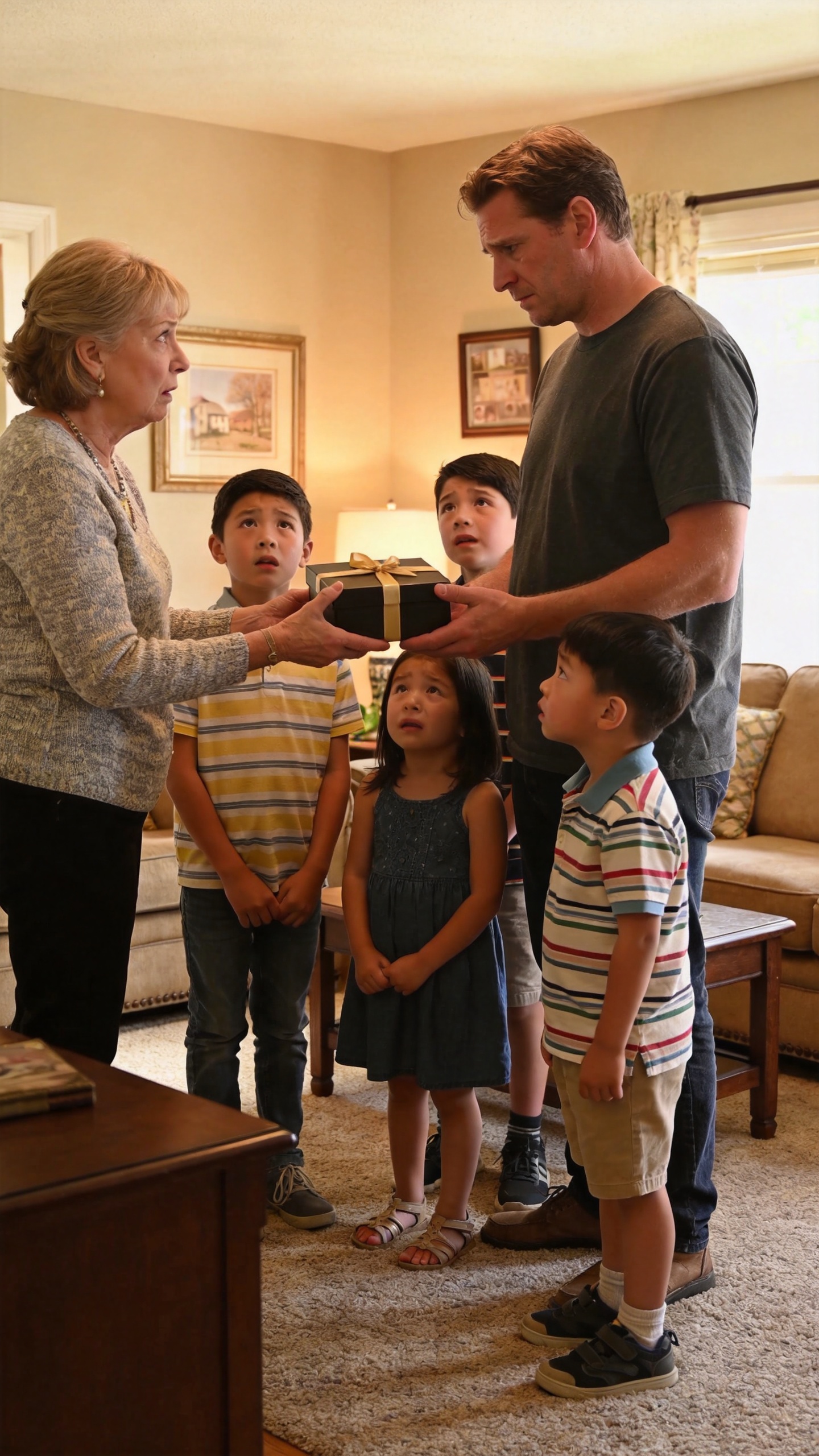
She was still wheelchair-bound. When Maya entered, Eleanor shakily offered a box of bakery cookies and managed a soft, slurred "thank you."
Maya accepted it gracefully. There was no dramatic embrace and no lie that everything had been forgotten.
I paid my mother's medical expenses because that remained my duty as a son. But she had no credit cards in her name and no key to our home. Chloe could call in a real emergency, but she no longer had a vote in our marriage or our parenting.
Every bill went through an accountant. Every visit was scheduled. Every boundary was written down because vague promises had nearly cost Maya her life once, and I would never again let politeness blur danger.
At midnight, we toasted with sparkling cider while fireworks lit the cold sky beyond the window. Liam clapped in my arms, and Maya raised her glass to mine.
"To a family where nobody has to bleed to be heard," she said.
I kissed her and remembered the cold ramen, the empty refrigerator, and the note that tried to make cruelty sound like duty.
I had confused loyalty with endurance for too long.
Blood makes people related. Respect makes them family.
Since that night, I have kept one simple rule: anyone who hurts my wife or child loses the right to hide behind titles like mother, sister, or brother-in-law.
You can help someone without handing them the keys to your peace. You can forgive without forgetting. And you can honor where you came from without letting it destroy the family you chose.
The real spring in our home began the moment we stopped calling cruelty love.