My Fiancee Said, 'Your Mother Can Scrub The Floor Before The Guests Arrive,' But When I Tore Up Our Wedding Contract, The House Revealed What Her Family Had Buried For Twenty-Eight Years
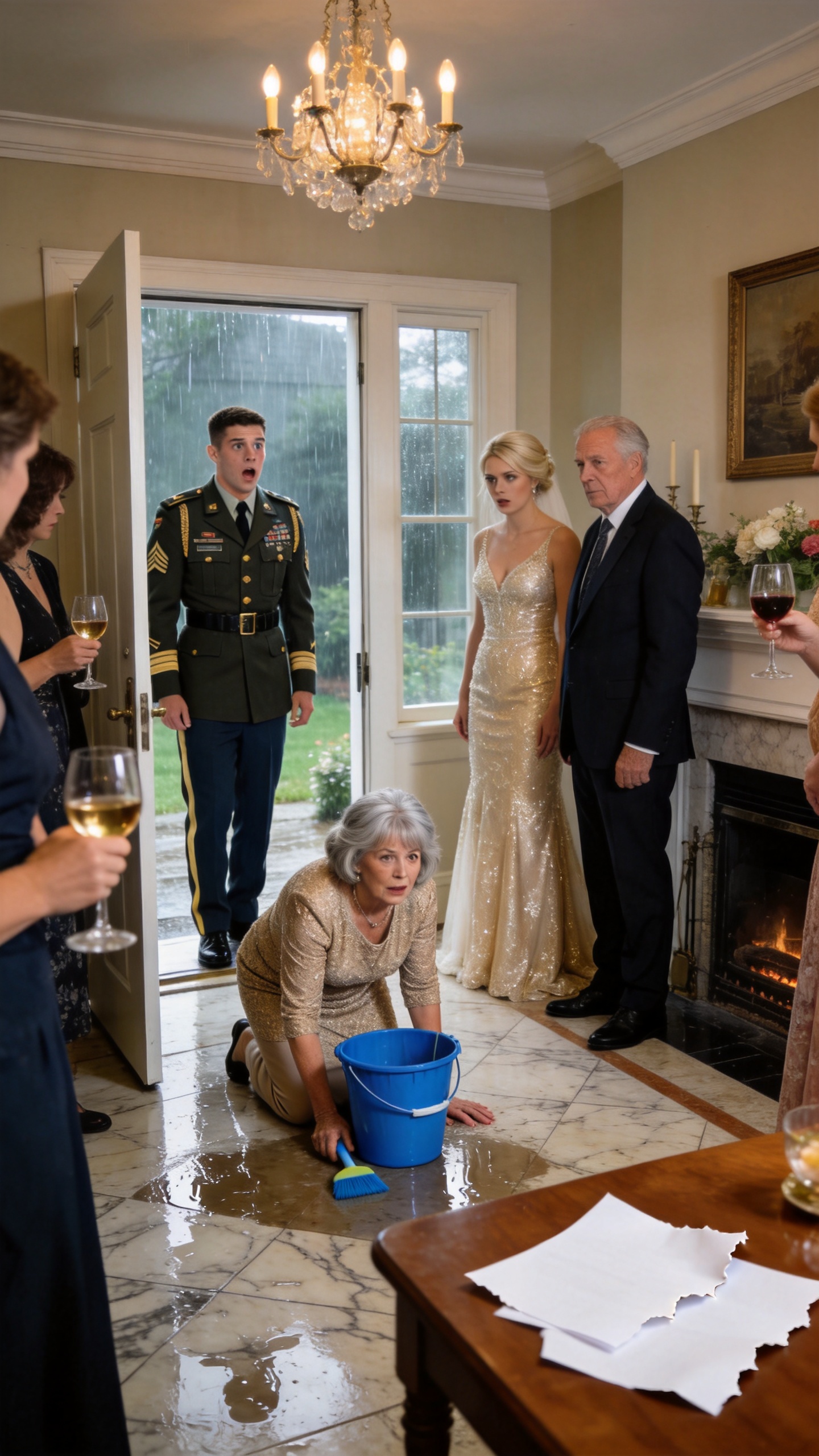
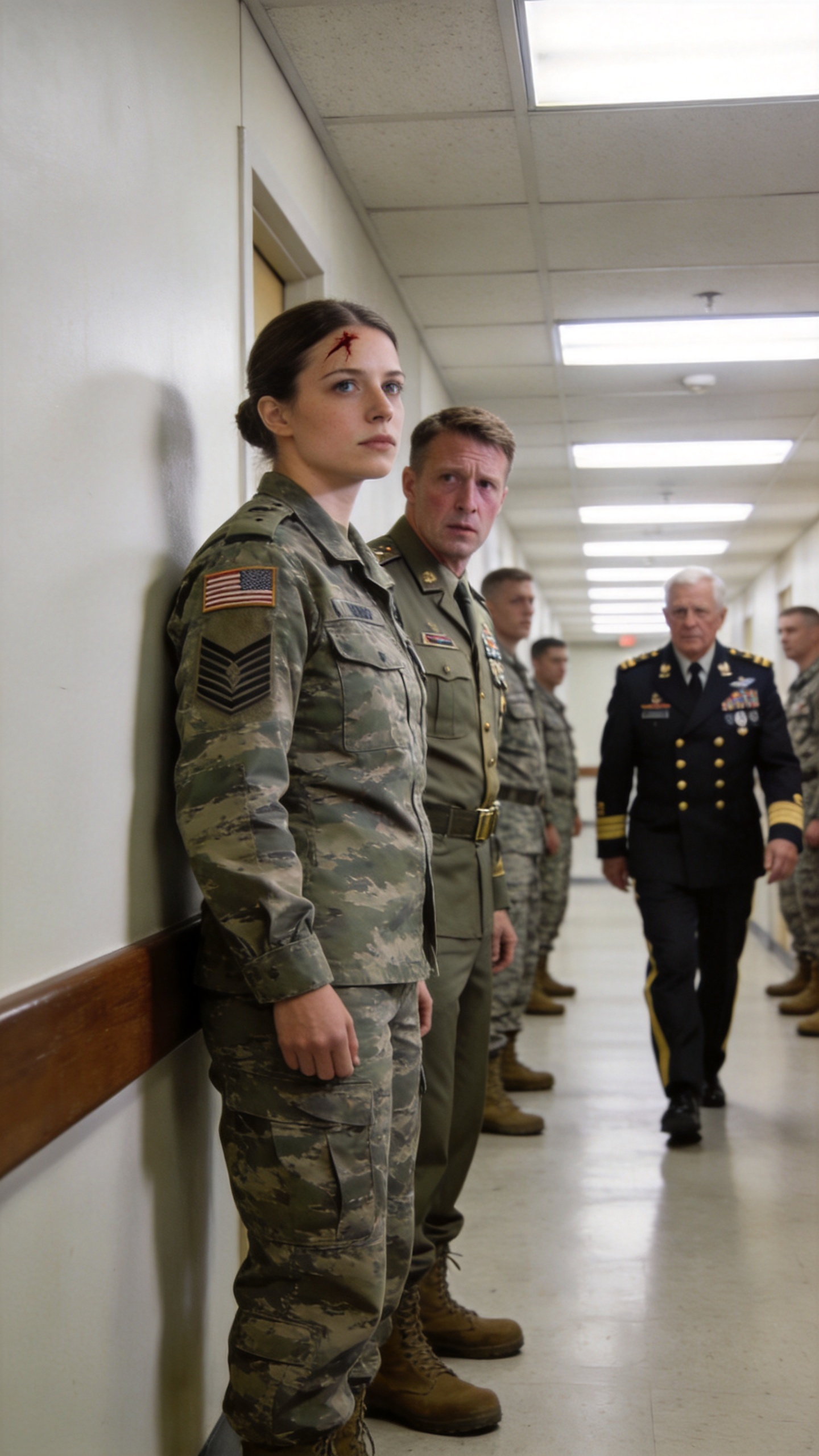
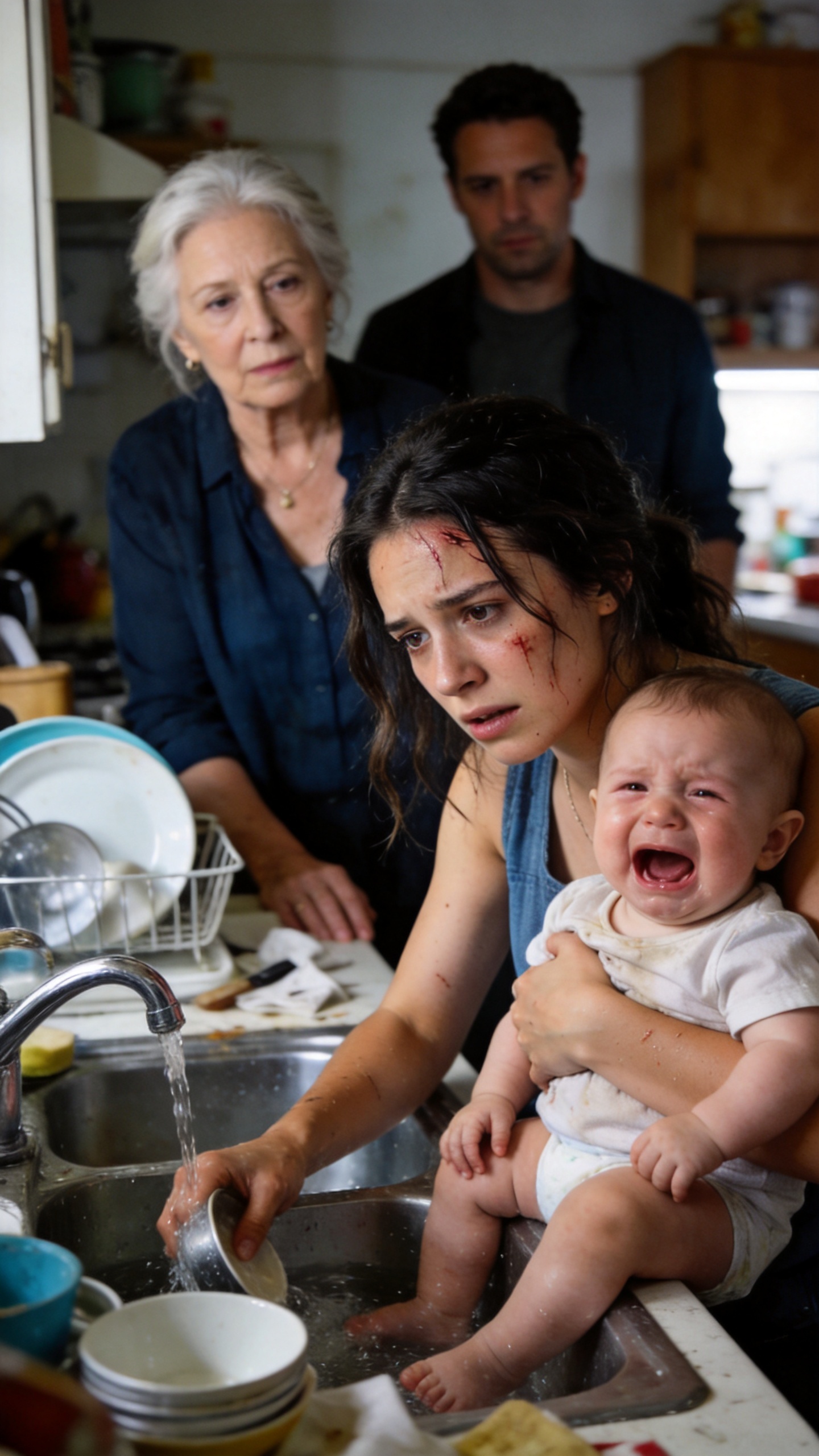
The first thing I saw when I came home from deployment was my mother on her knees.
Not praying.
Scrubbing.
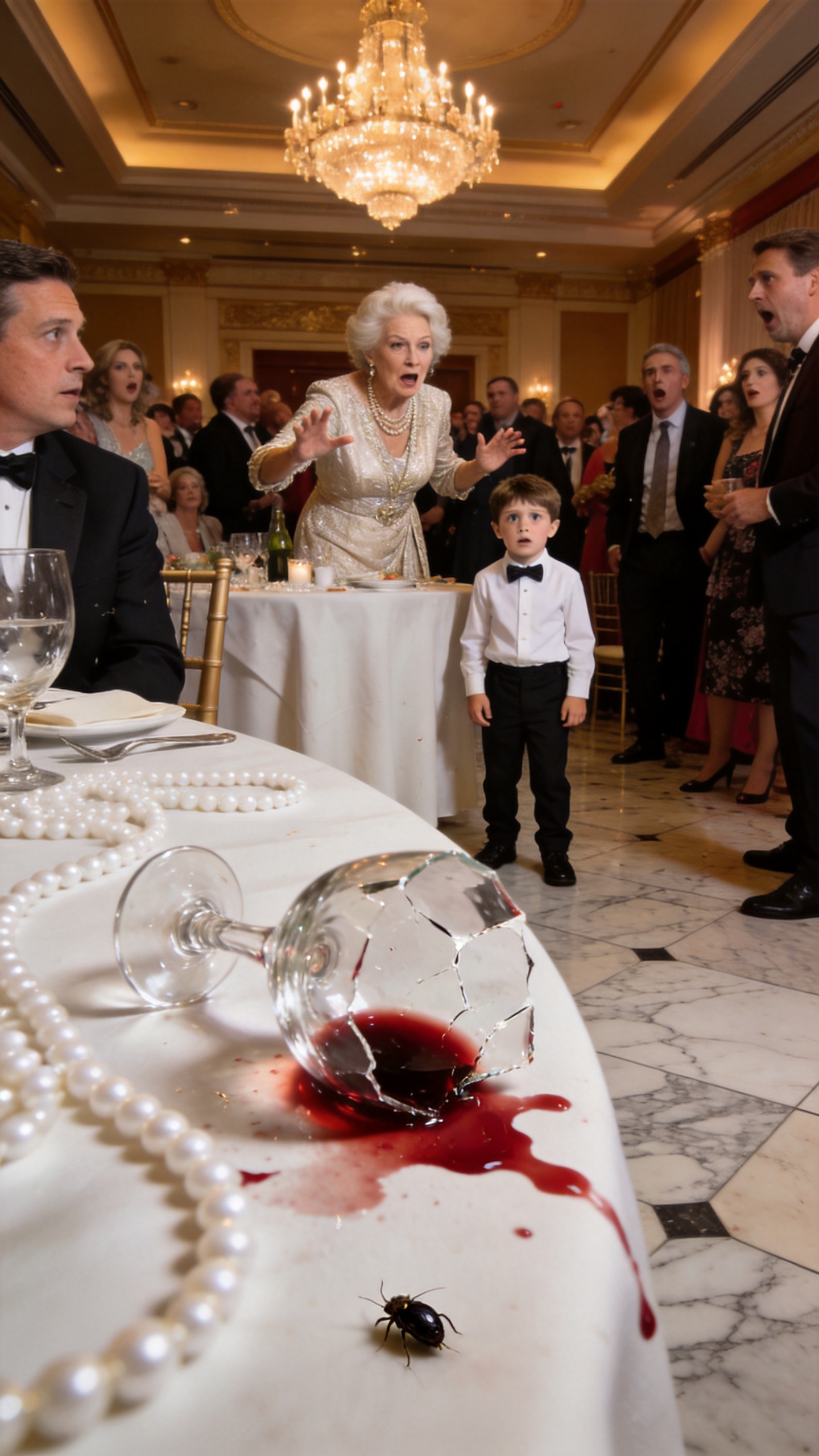
A silver bucket had tipped beside the marble entryway, sending soapy water across the floor my grandfather had laid by hand before I was born. White roses curled around the staircase. Gold ribbons hung from the banister. Crystal glasses waited on trays. Everything in the house had been polished for a welcome-home dinner that was supposed to become a wedding celebration.
And in the middle of it, my mother knelt with a rag in both hands while forty guests watched her try not to cry.
My fiancee stood above her in a champagne-colored dress.
"If she wants to live here after the wedding," Camille Waverly said, not even lowering her voice, "she can at least learn what clean looks like."
Someone laughed.
A small laugh.
A nervous one.
But it was enough.
My mother heard it. I saw her shoulders fold inward, as if she could make herself too small for humiliation to find.
I had seen men bleed in the dark and still keep their dignity.
I had seen soldiers carry the injured through fire.
Nothing I had seen overseas prepared me for the sight of the woman who raised me being treated like hired help in her own hallway.
"Mom," I said.
The room turned.
My duffel bag slipped from my hand and hit the floor.
Camille's face changed so quickly that, for half a second, I wondered how many versions of her I had loved without knowing it.
The cruel woman vanished.
The tearful bride appeared.
"Noah," she whispered. "You're early."
That was how she always survived being seen.
She changed shape.
At hospital fundraisers, she became tender. At military events, she became proud. In front of my mother, when I was on video calls from a tent with bad reception, she became the devoted daughter-in-law who promised to check the gutters, refill prescriptions, and make sure Margaret never felt alone.
"Your mom is my mom now," she had told me the night before my last convoy.
I had believed her.
That was the part that made the hallway tilt beneath me.
I had not only left my mother in Camille's care.
I had thanked Camille for taking care of her.
My mother pushed herself up too fast. "Noah, honey, it's nothing. There was a spill."
Her hands were red.
Not from the water.
From the bleach.
I looked at Camille.
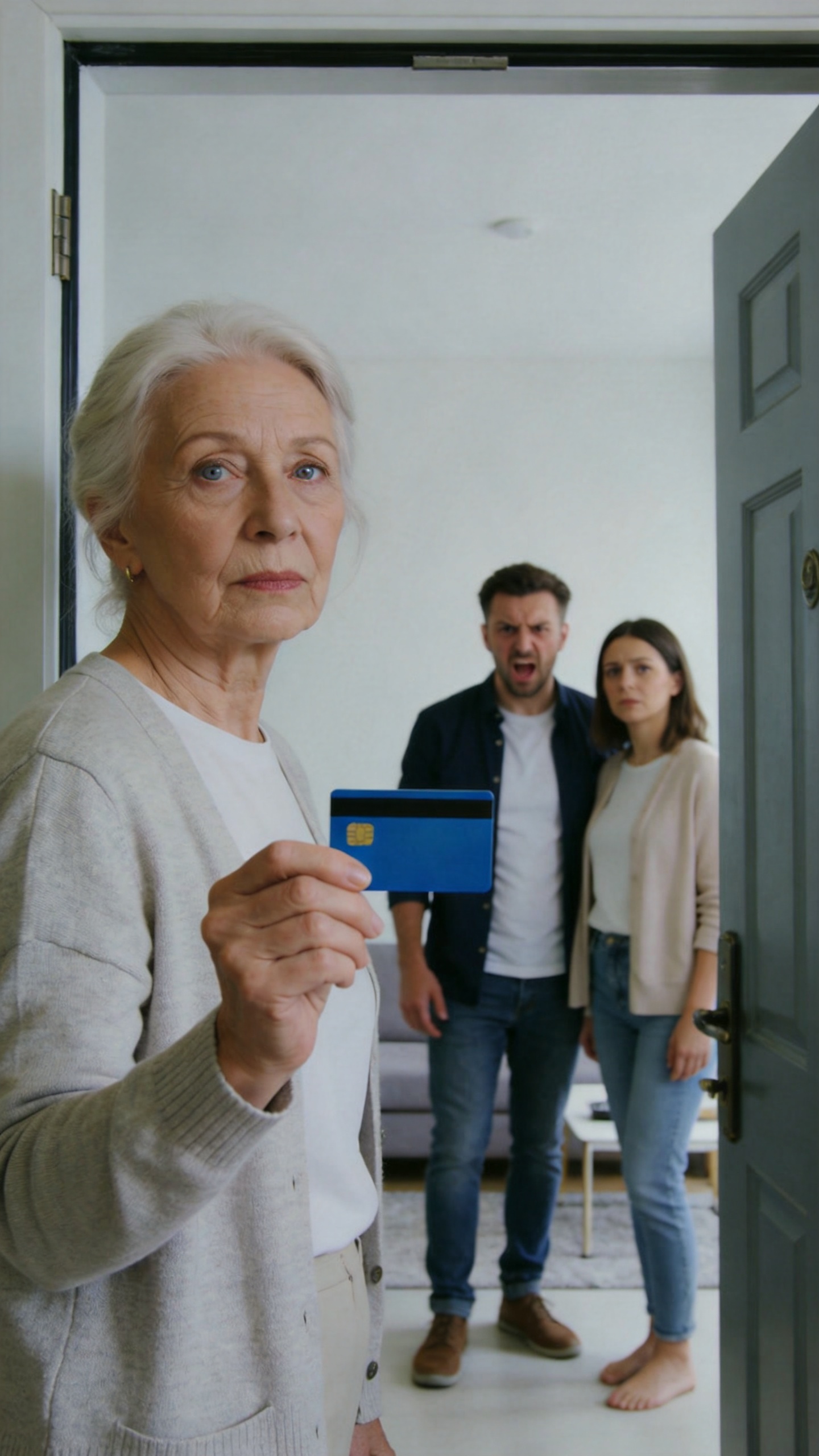
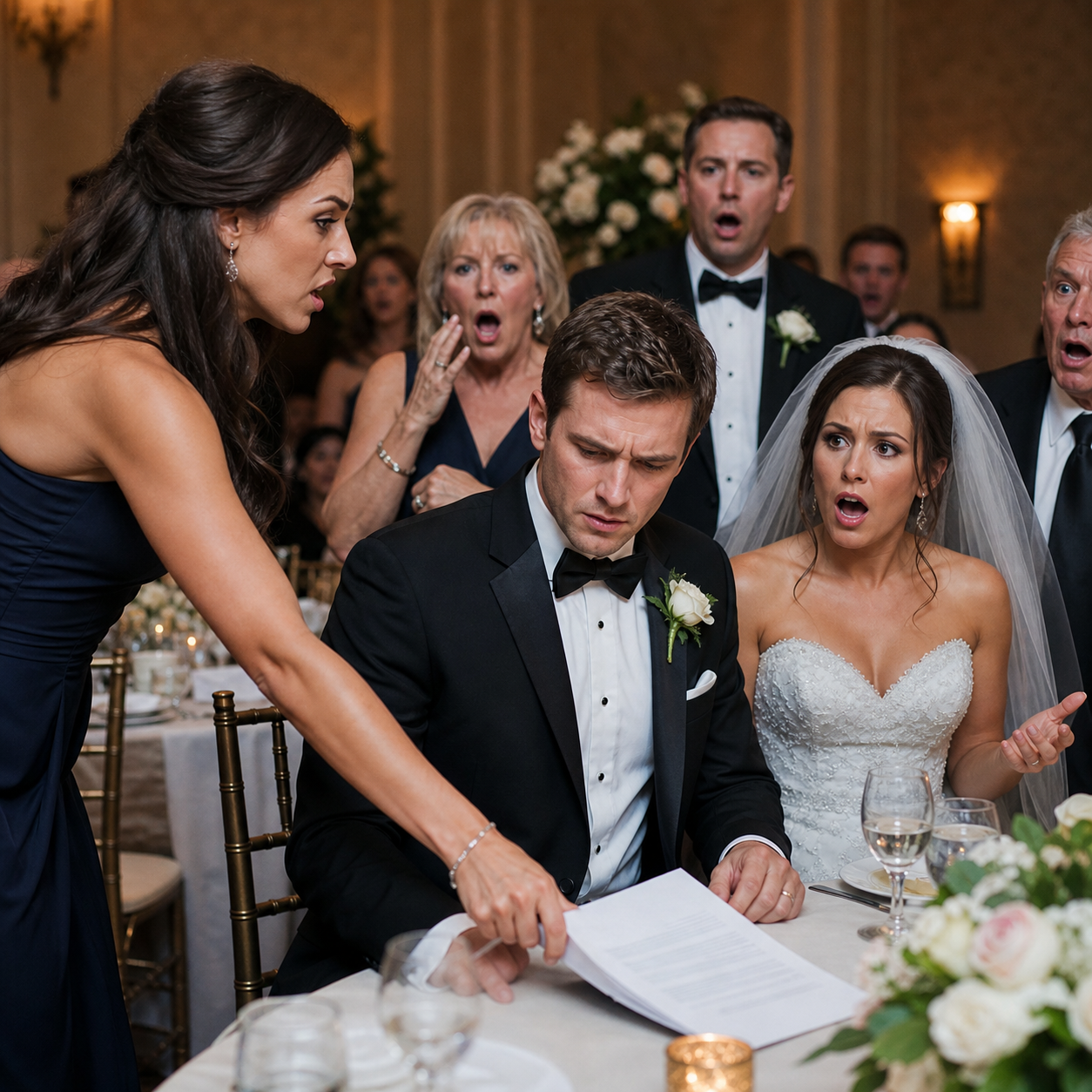
Then I looked at the contract lying on the entry table, tied with cream ribbon, waiting for a ceremonial signature in front of her family and mine.
Our wedding agreement.
The pretty little document Camille's father had insisted would "protect everyone."
I picked it up.
Camille took one step forward. "Noah, don't be dramatic."
I tore it in half.
The sound cracked through the foyer louder than a gunshot.
The ripped pages fluttered to the marble between us.
For one breath, nobody moved.
Then Camille smiled.
Not a sad smile.
Not a shocked one.
A smile that told me I had just stepped into a room she had prepared long before I arrived.
She Thought The Contract Was The Trap
"You don't understand what you just did," Camille said.
Her father, Preston Waverly, stood near the fireplace with an untouched drink in his hand. He was the kind of man who never rushed because he expected the world to wait for him.
Real estate money.
Political friends.
A name that appeared on charity plaques and sealed doors.
He watched the torn contract like a banker watching a bad check.
"Captain Whitaker," he said, smooth as glass, "emotions are running high. Perhaps we can speak privately."
"My mother was humiliated publicly," I said. "So we can speak publicly."
A murmur moved through the guests.
Camille heard it and her eyes sharpened.
That was the moment I understood something important.
She was not afraid of hurting my mother.
She was afraid of being seen doing it.
"Fine," she said. "Publicly, then. Your mother spilled wine on the imported marble. I asked her to clean it before people arrived. She chose to make herself look pitiful."
My mother's mouth trembled. "I didn't spill it."
Camille turned to her with a look so polished it was almost beautiful.
"Margaret, please. Don't embarrass your son more than you already have."
My name is Noah Whitaker.
My mother's name is Margaret.
My father, according to every story I was ever told, left when I was five and never looked back.
Our house sat on the edge of an old Maryland neighborhood that developers had been circling for years. My grandfather built it after the war. My mother worked double shifts to keep the taxes paid. Every cracked step, every uneven window frame, every stubborn rosebush in the backyard had a history.
Camille used to call it charming.
Now I knew she had meant temporary.
"Get out," I told her.
Her eyes widened. "Excuse me?"
"Take your father. Take your guests. Take the flowers. Take the caterers. Take everything that came from your side of this room and leave my mother's house."
Camille's smile returned.
This time, several people saw it.
"Your mother's house," she repeated softly.
Preston set down his glass.
My stomach tightened.
Camille tilted her head. "Noah, sweetheart. While you were deployed, your mother signed a renovation partnership with Waverly Development. The kitchen, the security system, the landscaping, the drainage repairs, the marble beneath your boots... all of it was funded through my father's company."
I looked at my mother.
Her face had gone gray.
"Mom?"
She shook her head once.
Small.
Terrified.
Camille folded her arms. "If she fails to meet the maintenance requirements, the property can be transferred under a sale-option clause. It's not cruel. It's business."
The room seemed to narrow around her words.
Sale option.
Maintenance requirements.
Transfer.
Camille had not only planned to marry me.
She had planned to take the house my mother had spent her life protecting.
I thought of every message Camille had sent while I was away.
The kitchen is almost done.
Your mom finally agreed the old place needed help.
Dad says the neighborhood is changing fast. We have to be smart.
I had read those messages under a canvas roof while dust blew through the camp and mortar alarms complained in the distance. I had smiled at them like a fool. I had imagined coming home to new cabinets, fresh paint, my mother proud instead of exhausted.
I had never imagined Camille sitting beside my mother at the dining table, sliding papers across the wood, telling her that signing quickly would keep her son from worrying.
But now I could see it.
Camille with her soft voice.
Preston with his patient explanations.
My mother with her reading glasses low on her nose, ashamed to admit the language frightened her.
And both of them knowing exactly which fear to touch.
"You told her it was insurance paperwork," I said.
Camille lifted one shoulder. "It was paperwork she chose to sign."
My mother whispered, "She said it would protect you."
Something inside me went quiet.
That kind of quiet is dangerous.
Camille mistook it for defeat.
The Man By The Fireplace Forgot There Were Witnesses
Preston stepped forward, palms open, wearing the expression men like him use when they are about to steal something and call it maturity.
"Noah," he said, "you are a decorated officer. You understand strategy. This home is financially inefficient. Your mother is aging. Camille and I were simply trying to bring order to a situation that sentiment has made messy."
"You made my mother scrub your daughter's mess off her own floor."
"My daughter made an error in tone."
"Your daughter made a confession."
Camille laughed.
It was quick.
Mean.
"A confession? Please. You came home with dust on your boots and hero music in your head. You think tearing paper makes you powerful. It makes you exposed."
My closest friend, Army medic Jonah Price, stood near the doorway. He had arrived early to surprise me. His smile was gone. His hand rested near his phone, but his eyes stayed on Preston.
He knew what I knew.
This was not just family drama anymore.
This was a scheme.
"What else did you make her sign?" I asked.
Camille's eyes flicked toward my mother.
Too fast.
There it was.
"Mom," I said. "What else?"
My mother gripped the edge of the side table. "I didn't understand it."
Preston's tone changed. "Margaret, be very careful."
I turned on him. "Do not speak to her."
For the first time all evening, Preston's mask slipped.
Only a fraction.
Enough.
Camille exhaled as if bored. "There was an authorization letter. Nothing illegal. It allowed Waverly Development to manage unresolved title complications connected to the land."
"Title complications?" I said.
My mother's eyes filled.
The room went too still.
Because everyone there understood the shape of those words, even if they did not understand the law.
Camille had dressed theft in paperwork.
Preston had supplied the ink.
"You people cling to houses because you have nothing else," Camille said. "My father turns dead neighborhoods into value. That's the difference between your family and mine."
My mother flinched.
I stepped closer to Camille.
I did not touch her.
I did not need to.
"People like you," I said, "only understand the price of a home because nobody ever taught you what one is."
Her face tightened.
Preston reached into his jacket.
Jonah moved.
Preston withdrew only a phone, but Jonah's voice cut across the room.
"Slowly."
Several guests backed away from the fireplace.
Camille looked at Jonah with disgust. "Is this what you brought home, Noah? Soldiers who think every dinner party is a battlefield?"
"No," I said. "I brought witnesses."
She smiled again.
"Witnesses to what? Your mother being pathetic? Your father running away? Your little old house finally becoming useful?"
The words landed.
My father's name had not been spoken in that house in years.
My mother made a sound like air leaving a punctured tire.
Camille heard it.
And because cruelty always looks for the deepest bruise, she pressed harder.
"Did Margaret ever tell you why your father really disappeared?"
The foyer changed temperature.
Preston's face went blank.
Not confused.
Warning blank.
"Camille," he said.
She ignored him.
"All these years, Noah thought Dean Whitaker abandoned them. Poor brave boy. Poor saintly mother. But your father found out something about Waverly Development, didn't he? Old deeds. Forced sales. Families who refused to move."
My ears rang.
For most of my life, my father had been a single sentence.
He left.
That was what my mother said when I was little and asked why other boys had dads at Little League.
He left.
That was what she said when I was thirteen and angry enough to punch a locker because the school form asked for a father's phone number.
He left.
That was what she whispered when I enlisted and asked, for the first time as a grown man, whether I looked like him.
But she never sounded hateful when she said it.
She sounded tired.
As if every repetition cost her something she could not afford.
"Stop," my mother whispered.
Camille's eyes gleamed. "He was going to expose my father. Then he vanished."
I looked at Preston.
He smiled faintly.
"Grief creates stories," he said. "Your mother has carried many."
I wanted to cross the room and put him through the wall.
Jonah stepped between us before I moved.
"Not here," he said under his breath. "Not like this."
Jonah had pulled me away from worse things than rich men in tailored suits.
He had known me in places where anger could get people killed.
He knew the exact moment my breathing changed.
He also knew, before I did, that Preston wanted me to lose control. One shove, one broken nose, one headline about an unstable veteran attacking a respected developer in front of wedding guests, and every ugly thing Camille had done would become background noise.
That was the trap behind the trap.
Not the contract.
Not the house.
My temper.
Preston was waiting for me to hand it to him.
My fists opened and closed.
My mother covered her mouth.
And Camille, thinking she had finally found a weapon sharper than shame, made the mistake that saved us all.
She kept talking.
The Video Went Out Before Anyone Could Stop It
"Your father wasn't noble," Camille said. "He was inconvenient. My father handles inconvenient people. That is how families like ours stay families like ours."
Preston snapped, "Enough."
But she had already said it.
In a room full of guests.
In a house full of phones.
In front of my mother's trembling hands and my torn wedding contract.
I bent down and picked up one half of the ripped document.
"Thank you," I said.
Camille blinked. "For what?"
"For saying it where other people could hear."
Somebody near the dining room gasped.
A phone buzzed.
Then another.
Then five more.
The sound spread like insects waking inside the walls.
Preston looked around slowly. "What is happening?"
Nobody answered him at first.
That was the first time I saw real fear touch the room.
Not fear of violence.
Fear of being connected.
Guests who had spent the first half of the evening laughing softly at my mother's humiliation were suddenly checking their phones with both hands. A city councilman's wife stepped behind a pillar. Camille's maid of honor lowered her champagne glass as if it had become evidence. Two men near the dining room began whispering about leaving before reporters arrived.
That is what public shame does to powerful people.
It does not make them moral.