They Tried To Remove Me From First Class Like I Had Stolen The Seat, Until The Pilot Saw The Old SEAL Mark On My Back And Asked Where I Served
"Coronado first," Renee said. "Then places people don't put on postcards."
The pilot's face changed.
Not dramatically. Not enough for most passengers to understand. But Renee saw recognition move behind his eyes. He knew the rhythm of that answer. He knew what it meant when a person did not say more.
He turned to the flight attendant.
"Her boarding pass is valid?"
"Yes, Captain, but a passenger raised concerns."
Captain Ellis looked at 2A.
"About what?"
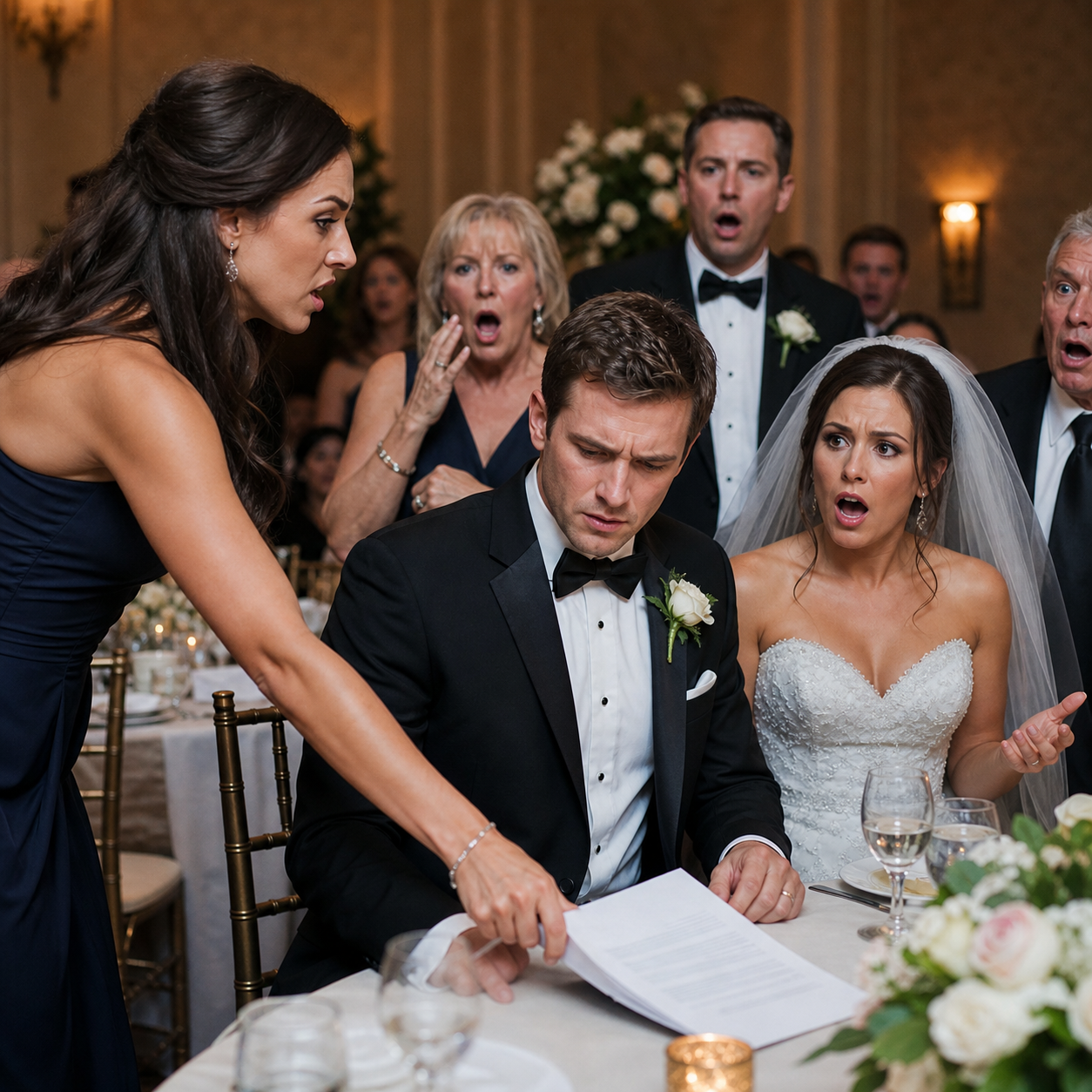
The woman opened her mouth, then seemed to hear her own accusation before she said it again. Stolen. Service line. Doesn't belong. Words that had felt powerful when aimed at a quiet woman suddenly looked cheap under a pilot's stare.
"I was uncomfortable," she said.
"Then I can have the gate agent rebook you," he replied.
The cabin went so still Renee could hear the air system above the seats.
The woman blinked. "Excuse me?"
"Ms. Voss has the seat she paid for," he said. "If you are unable to sit beside her respectfully, we can make other arrangements for you."
Nobody laughed then.
That was the part Renee carried with her later. Not the apology the flight attendant whispered. Not the way the man across the aisle suddenly offered to lift her duffel. The silence. The withdrawal of permission.
Humiliation needs permission from bystanders to keep breathing.
Captain Ellis had removed it.
First Class Got Quiet For A Different Reason
The apology arrived somewhere over the clouds, smaller than the insult and much less useful.
Some were direct. Some traveled through relatives, managers, attorneys, carefully worded texts, and voices suddenly softened by consequence. A few people wanted forgiveness because they had always imagined themselves as decent. A few wanted access restored. A few wanted the old arrangement back, the one where Renee absorbed the insult and everyone else got to call the evening normal.
That arrangement was gone.
the cabin learned that belonging is not measured by cashmere or polished luggage.
The ugly part was not the mistake. It was how ready everyone was to believe she had stolen comfort from someone richer-looking.
So Renee changed what came next.
Renee accepted the apology from the flight attendant, not from the woman who had needed an audience.
People later asked if it felt like power.
Not exactly.
Power sounded too dramatic for what settled over her afterward.
What remained was quieter and steadier.
She no longer explained her seat, her body, or her history to strangers who confused plain clothes with permission.
Halfway through the flight, the attendant came back with water and a folded apology that sounded like it had been approved by a manual.
Renee took the water.
She did not take responsibility for making the attendant feel better.
That was new. For years, she had softened other people's shame after they discovered what she had carried. She had said it's fine when it was not fine, no problem when there had been a problem, don't worry when worry was the only reasonable response.
This time she only said, "Thank you," and looked out the window until the clouds took the shape of mountains she did not have to climb.
In the end, Renee kept her seat and slept through the first hour, which felt better than any apology.