My Captain Made Me Stand Bleeding In The Hall To Break Me, But He Went Pale When The Four-Star General Walking Toward Us Said My Name
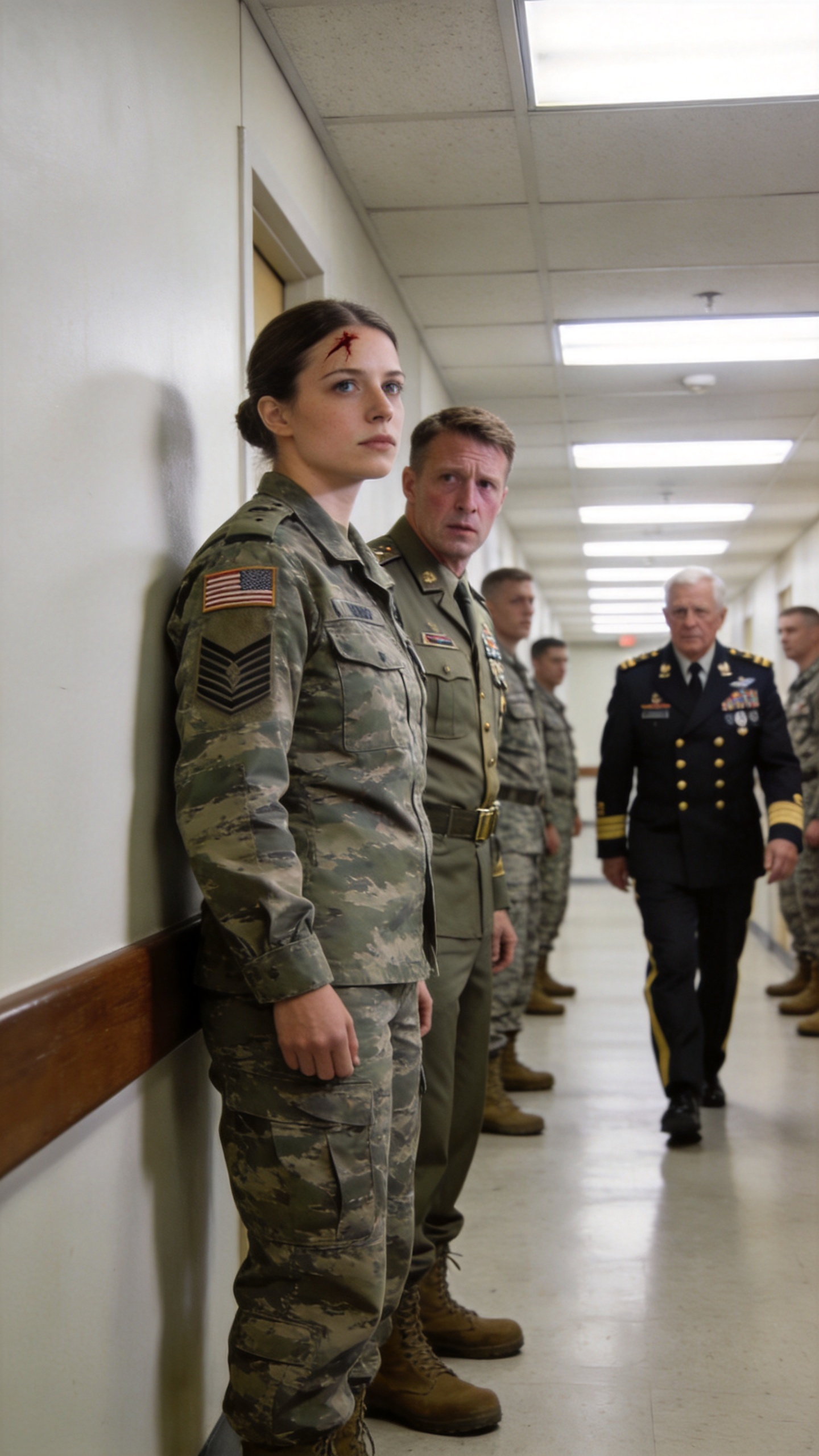
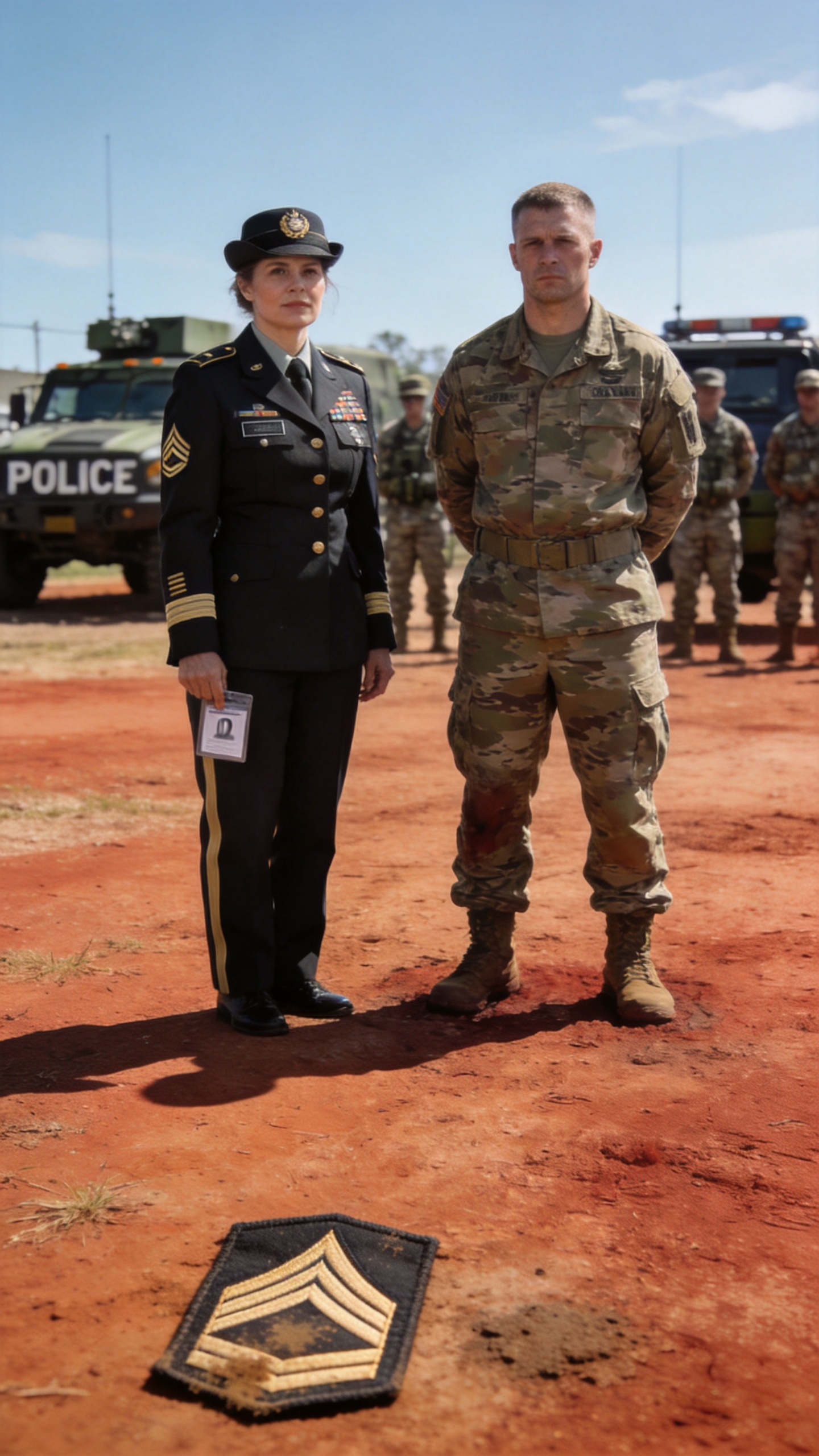
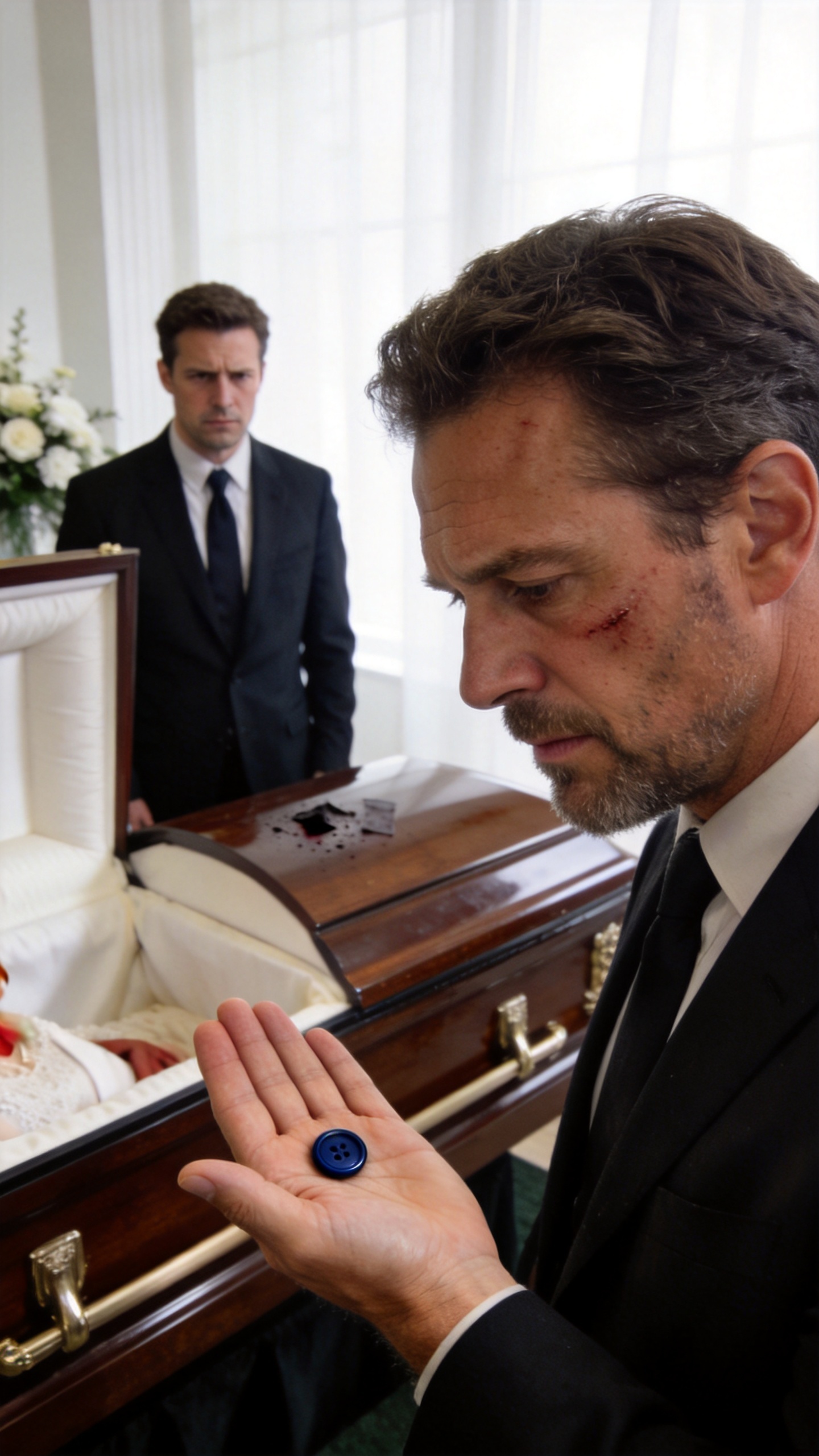
Lieutenant Grace kept her hand against the wall because Pike wanted everyone to see her bleeding.
The hallway outside the training room had gone too quiet. Boots stopped. Voices lowered. Captain Pike stood close enough to block the exit and far enough to pretend he had not caused the cut above her eyebrow.
"Maybe this will teach you discipline," he said.
Grace tasted blood and refused to give him the satisfaction of wiping it away.
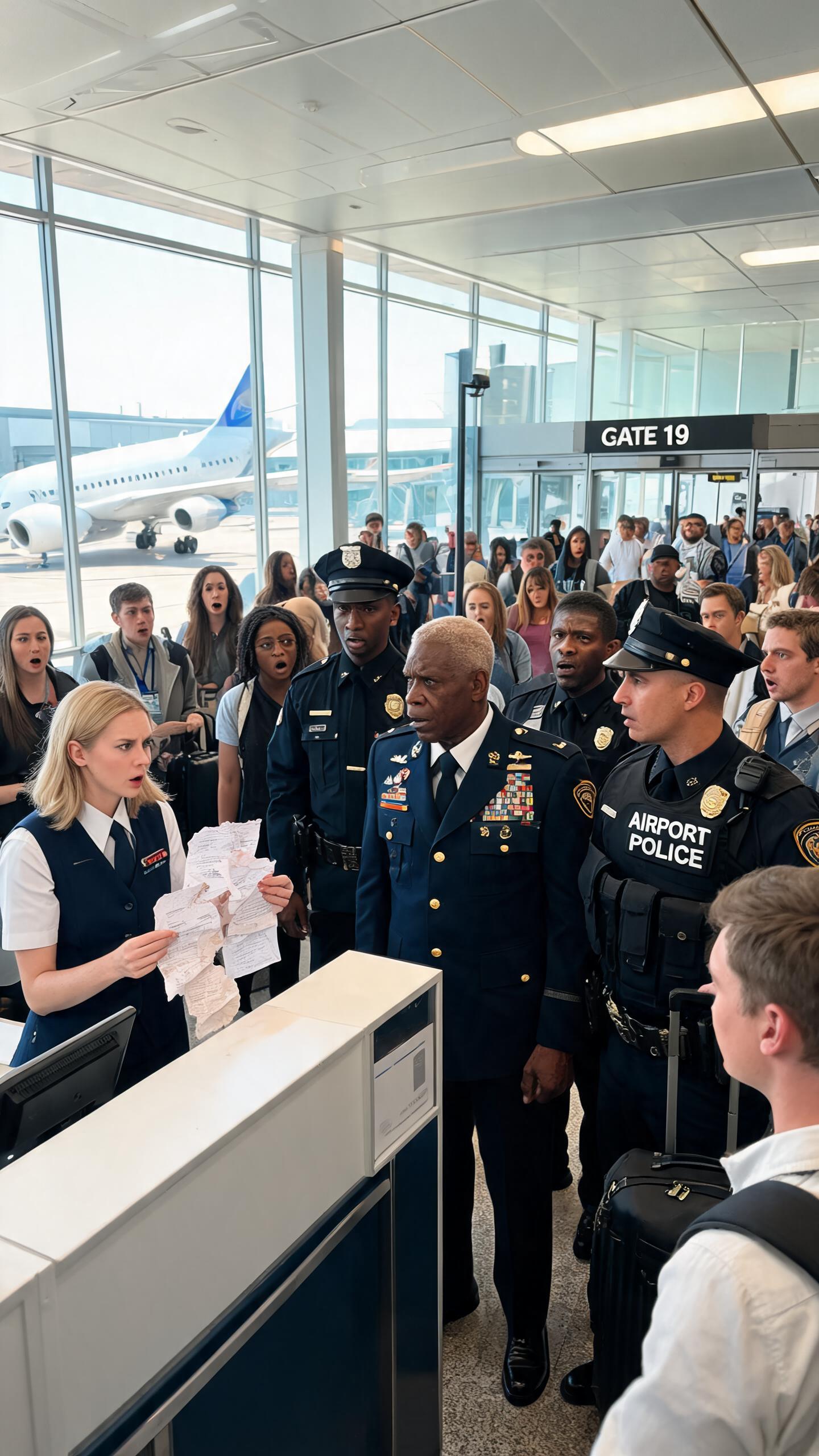
Then the doors at the end of the corridor opened. The four-star general walking toward them did not look at Pike first.
He looked at Grace.
"Lieutenant Rowe," he said, and Pike went pale before anyone asked why.
Captain Pike Wanted The Hallway To Break Her
Pike had mistaken endurance for permission more than once.
Years of being corrected when she was right, softened when she was angry, ignored when she had proof, and told to keep the peace by people who had never once protected hers. The insult in the hallway outside command offices after a brutal training exercise did not come from nowhere. It had roots. It had practice. It had been rehearsed in smaller rooms long before it became public.
the watching trainees stood close enough to matter and did not stop it.
The hallway hurt because every boot that stayed still gave Pike another inch of borrowed power.
Lieutenant Grace knew exactly how they were.
Grace knew the pause after an order becomes abuse, when witnesses measure their careers against someone else’s blood.
This time, she did not save them.
She let the silence do what explanations never could.
Grace Knew The Difference Between Pain And Defeat
Pike believed rank could turn witnesses into furniture.
It was not.
a timing board showing she had not hesitated mattered because it carried the part of the story nobody had cared to ask about. People like Captain Pike always assume quiet women have no records, no witnesses, no history outside the version they repeat at dinners and counters and courtrooms. They think the person who does not brag must have nothing to show.
But Lieutenant Grace had learned to keep copies.
She had learned that records matter because bruises fade before cowards admit what they saw.
That person arrived as General Marcus Rowe.
The change began when General Rowe said her name with the calm of a man who already knew the file.
Then General Marcus Rowe looked past the noise and addressed Lieutenant Grace correctly.
That was when the room began doing the math.
General Rowe Said Her Name First
The proof was in the records, the blood, and the name General Marcus Rowe said without hesitation:
the evaluation file proving Pike had falsified the failure and targeted her.
For a second, nobody moved.
Not from confusion. From recognition.
Understanding often looks like silence before it looks like regret. The people who had laughed too quickly stared at plates, phones, shoes, ceiling lights, anything except the woman they had helped corner. Captain Pike tried to speak first, of course. People who build themselves on control always reach for volume when facts turn against them.
Noise had reached the end of what it could protect.
General Marcus Rowe continued calmly. Each sentence removed another piece of the false version. The room learned who had been lying, who had been pretending, who had mistaken access for ownership, cruelty for discipline, arrogance for class, or noise for rank.
Lieutenant Grace did not smile.
People later remembered Pike going pale. Grace remembered keeping her knees locked because she refused to fall for him.
The general did not look at Pike first.
That was almost worse for him.
General Marcus Rowe walked down the hallway with two aides and a silence that seemed to arrive a step ahead of him. Everyone straightened. Even the men who had laughed at Pike's joke remembered their spines. Pike's face rearranged itself into respect so quickly Grace nearly smiled through the blood drying at her cheek.
"Lieutenant Rowe," the general said.
Grace hated that her last name hit the hallway before anything else.
Not because she was ashamed of him. Because she knew what weak men did with fathers. They used them to erase daughters. They would decide she had endured only because of protection, not because she had earned every second she was still standing.
So she answered like an officer.
"Sir."
The general stopped in front of her, not close enough to rescue, close enough to inspect.