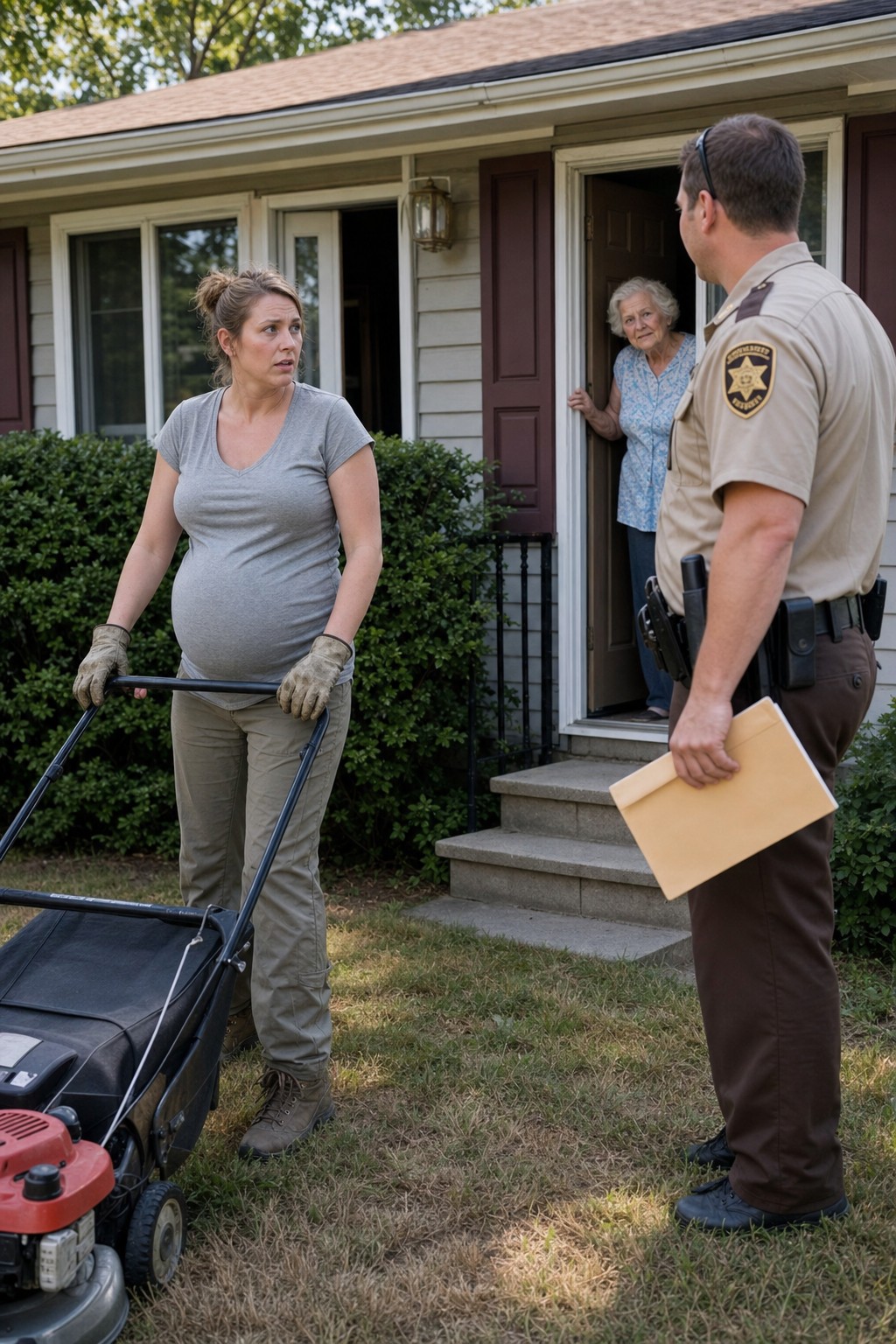
That Morning, My Daughter-in-Law Dropped Her Mud-Smeared Heels at My Feet and Ordered Me to Clean Them
A Painful Ultimatum
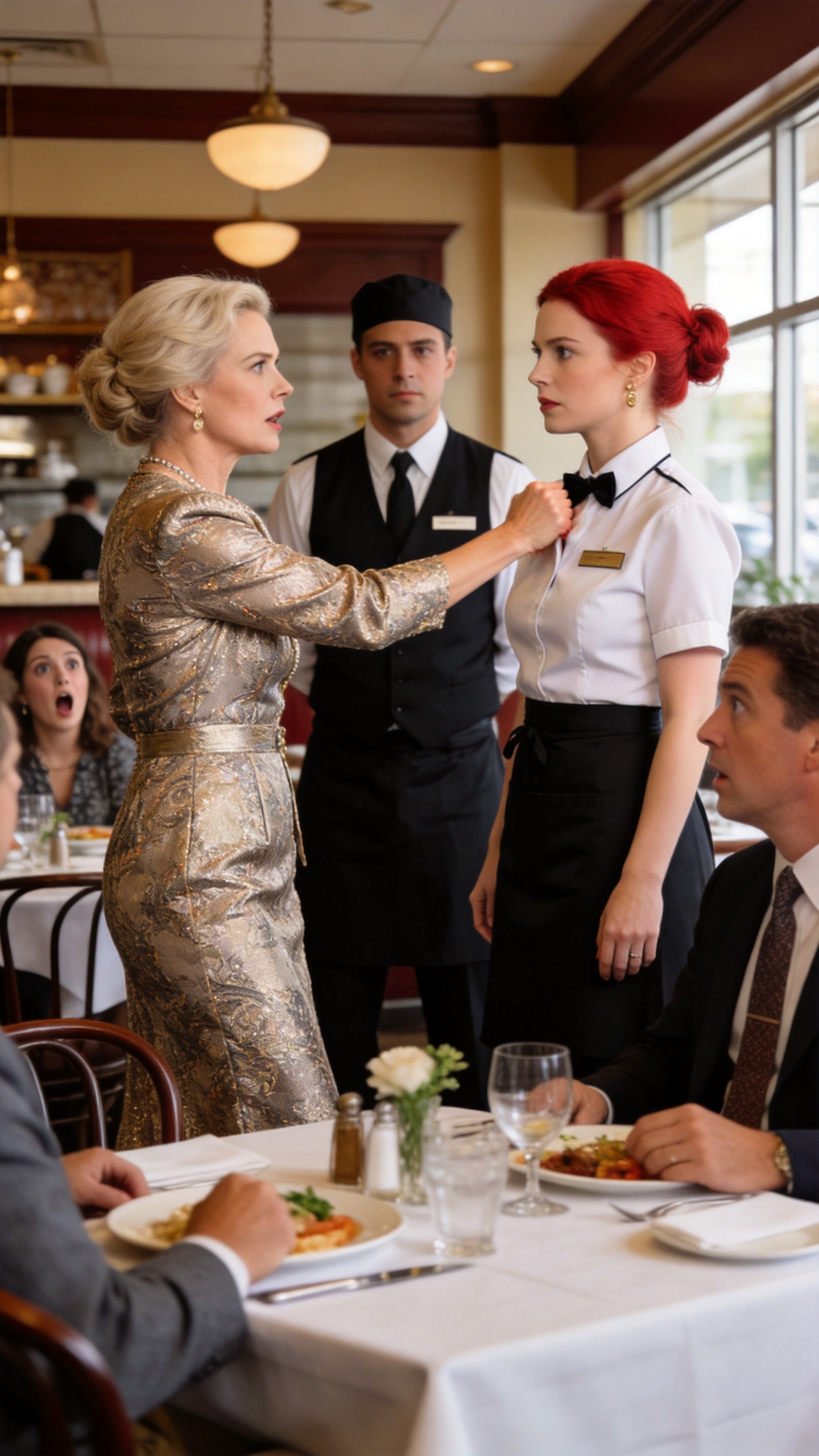
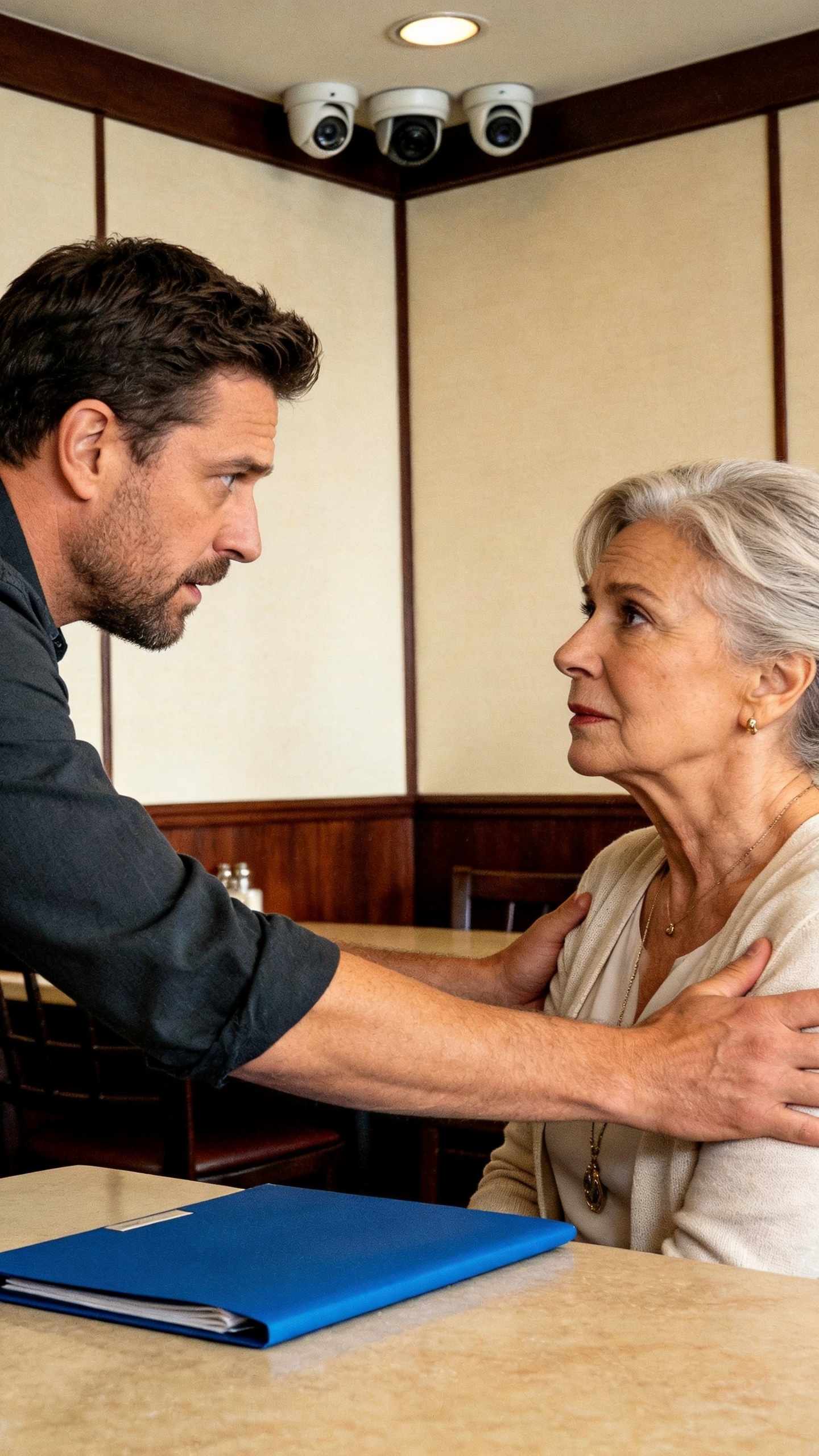
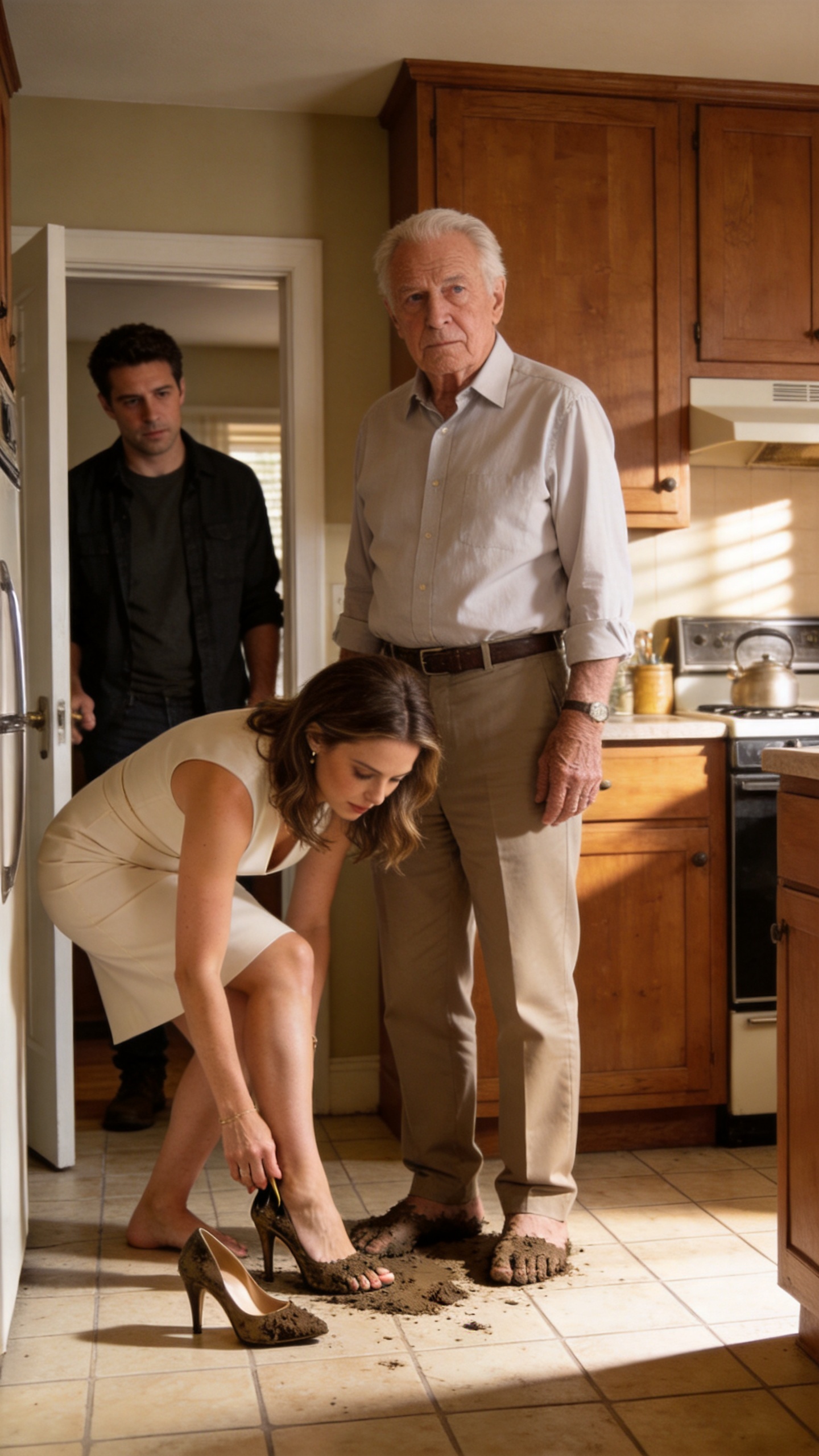
"Clean them before we leave." Claire dropped her mud-splattered heels on the kitchen floor and nudged them my way with her slipper's pointed toe. She didn't even glance at my face. It was just after eight on a brisk October morning in Boston. Fall had lost its charm and now felt like a warning. Rain had fallen all night, making the brick sidewalks slippery and pressing maple leaves flat against the curb. I stood by the stove, a spatula in my hand. Two eggs crackled in the cast - iron skillet that my late wife, Margaret, had bought at a yard sale in 1987. Morning light streamed through the bay window, stretching across the hardwood floor I'd laid before my son, Daniel, could even drive. The kitchen smelled of butter, burnt toast, and a long - building resentment. Claire wore a champagne - colored robe, her hair loosely pinned. Her phone was already up, aimed at the bowl of white roses she'd arranged by the sink. Nearly two hundred thousand followers watched her create what she called an "intentional home." They saw candles, linen napkins, soft music, and gentle morning light. They never saw me up before dawn, making breakfast. "The soles are filthy," she said. "We're meeting people at eleven." I put the spatula down. "I heard you." Only then did she look up from her phone. "Then why are you standing there?" Some anger is loud. It shows on the face, stiffens the shoulders, and demands action. What I felt was cold. It had been building for two years and eleven months, since Daniel and Claire moved in after Margaret died and said I shouldn't live alone. At first, I thought they came to help. But then the guest bedroom became theirs. The back study became Claire's filming room. My clothes were moved to a small room at the end of the hall with a narrow window over the alley. My favorite chair disappeared because Claire said it messed up the look. By the third year, I was the quiet old man who cooked, got packages, watered plants, and stayed out of sight when she filmed. Now her shoes sat at my feet. Daniel walked in, fastening his shirt cuff. He was forty - two and between jobs, but still dressed like he might get a big meeting call any minute. He looked at the heels, then at me. His face showed something guarded, not concern, but calculation. "Dad," he said, "Claire asked you to do something." "I know what she asked." "Then why are you making it uncomfortable?" Claire picked up her juice and stared out the window, like the conversation bored her. Daniel stepped closer. "It's just a pair of shoes. You're home all day. We have schedules. You haven't had a project in three months." The words weren't mean. They were just true. And the truth embarrassed him more than any insult. His jaw tightened. "That has nothing to do with this." "What does?" "Respect." I looked at the muddy soles. "Yes. I believe that's exactly what this is about." Claire put her glass down. "I'm not standing here for this emotional talk." She walked into the living room with her phone up. Soon, soft piano music came from the speaker she used for videos. Daniel watched her go, then turned back to me with a hurt look, like he'd failed a test in front of his wife. "I'm going to say this once. You'll apologize to Claire, clean the shoes, and stop causing trouble in this house." I looked around the kitchen. Margaret had chosen the blue - gray paint. She'd kept the old brass drawer handles even when a designer said they were out - of - date. The mark by the pantry door was from when Daniel drove a toy truck into the wall as a kid. "This house," I repeated. Daniel folded his arms. "If you can't live here respectfully, pack your bags and leave." The refrigerator hummed behind him. The eggs fried until their edges turned brown. I'd thought about this moment all week. In some of my daydreams, Daniel apologized. In others, I made him repeat the words so I could hear how cruel they were. In reality, I was calm. "All right," I said. He blinked. "All right what?" "All right, Daniel." I turned off the stove and walked past him down the hall. The room I lived in used to be Margaret's sewing room. Claire called it the utility bedroom, but the only useful thing in it was me. A dark leather suitcase sat on the top shelf behind a folded blanket. I'd packed it five days ago. Three shirts, two suits, one pair of walking shoes, Margaret's small Bible, her photo in a velvet frame, and a folder with my ID, medical records, trust papers, and a hotel reservation Michael Wallace arranged. I didn't pack in anger. I packed because a man should know where the exits are before the building shakes. I put the suitcase on the bed and checked the zipper. There was a black - and - white photo of Daniel at seven next to the lamp. He was sitting on the back steps of our first house in Dorchester, dressed for Sunday, polishing my shoes with a cloth. Margaret took the picture. I picked it up, looked at the concentrated boy, and put it in my coat pocket. The cloth was kept somewhere else. I'd kept it for thirty - five years. When I got back to the foyer, Daniel was at the bottom of the stairs. Claire was in the living room, filming the flowers. She'd changed the music to something warmer. I slowly put on my coat and smoothed the lapels. "You asked me to leave. I'm leaving." Daniel stared at the suitcase. For a split - second, doubt crossed his eyes. He'd expected me to fight back, maybe apologize. He didn't get that I'd spent months learning the difference between peace and dignity. "Where are you going?" he asked. "You don't need to worry about that." "I'm still your son." "Yes." That one word held more sadness than I meant to show. Claire appeared in the doorway. "Arthur, there's no need to act." "I agree." I opened the front door. The October air hit my face, cold and fresh. A black Lincoln waited by the curb. Thomas Cole stood near it, in a gray cap and a dark overcoat. He'd driven for me for eleven years and knew that sometimes, questions aren't kind.
A New Beginning After a Bitter End
He looked at my suitcase. Then he opened the rear door of the car. "Good morning, Mr. Bennett," Thomas greeted. "Good morning, Thomas," I replied. He placed the suitcase inside the trunk. I settled into the warm car without looking back at the house. "The Liberty?" Thomas asked from behind the wheel. "The Liberty," I confirmed. As we drove away, I watched the limestone facade get smaller in the side mirror. Margaret's hydrangeas were brown and dry beside the black iron fence. We'd planted them together in the spring of 1999. She'd laughed at the gloves I bought, saying no real gardener wore such expensive leather. The house disappeared when Thomas turned onto Charles Street. I took out my phone and called Michael Wallace. He answered after the second ring. "Arthur," he said. His voice was calm and alert, like he'd been expecting my call. Michael had represented me for thirty years. He'd handled my first property purchase, the trust I set up when Margaret got sick, the company succession plans, and estate revisions Daniel knew nothing about. "Is it time?" he asked. I looked out the window at joggers, a woman pushing a stroller, and a man unloading vegetables outside a restaurant. The city moved on, not caring about my private tragedy. "Start," I said. Michael paused briefly. "Understood. The fiduciary review begins this morning," he said. I ended the call. Thomas met my eyes in the rearview mirror. "You all right, Mr. Bennett?" he asked. I thought about it. My chest felt empty but not hollow, like after a storm when the air is clear. "I'm better than I was yesterday," I said. Thomas nodded and focused on the road. Almost no one knew what "start" had set in motion. I'd spent thirty years building the Bennett Family Trust to protect what Margaret and I had created. The trust owned the Beacon Hill property, the limited - liability company leasing Daniel's BMW, and funded household accounts. But Daniel acted like it was all his success. He and Claire lived in the house under a revocable agreement. They didn't own it and never paid for mortgage, taxes, or repairs. The agreement gave me, as the primary trustee, the power to end their stay after notice and a transition period. I could also stop their secondary financial access during the review. I wasn't putting them on the street. I was ending an arrangement they'd mistaken for ownership. Michael would freeze the trust - issued credit cards. The car lease would be taken from Daniel, and the car returned at the end of the week. Household subsidies would stop after thirty days. They'd have time to find new housing and learn the true cost of their lifestyle. At the Liberty Hotel, the young man at the front desk greeted me by name. "Welcome back, Mr. Bennett. Your room is ready," he said. "Thank you, son," I replied. The hotel used to be a county jail. The designers kept the stone walls, iron rails, and arched walkways. I found comfort in the transformation. A place meant to confine was now a place people wanted to stay. My room overlooked Beacon Street. There was a small writing desk by the window, and chamomile tea beside a card from the hotel manager. The first thing I unpacked was Margaret's photograph. She was fifty - eight in the picture, by the Atlantic in Maine. Her gray hair blew in the wind, and she laughed as I tried to take a serious photo while a gull stole my sandwich. I placed the frame beside the lamp. "We finally left," I told her. The room was quiet, but the silence with Margaret never felt empty. It felt like she might answer if I waited. I spent that first day walking. I crossed the Public Garden, passed the winter - stored Swan Boats, and sat by the pond. For three years, my days revolved around others' needs. Breakfast at six, packages at nine, shopping before lunch, avoiding Claire's filming, and driving Daniel to appointments. That afternoon, no one needed anything from me. The freedom felt strange, almost like loneliness. Two nights later, Michael called at nine. I sat by the window with a cooling cup of tea. "Phase one had its first public moment," he said. "What happened?" I asked. "Daniel and Claire had dinner in Cambridge. Daniel tried to use three trust - issued cards, and each transaction was declined," he said. I closed my eyes. It was a restaurant Claire liked to post about. Dark wood, small plates, and a menu full of adjectives. "How did they pay?" I asked. "Daniel used his personal debit card. So they ate," he said. I realized I was worried about causing them harm. But the trust cards were privileges, not necessities. Michael continued, "Claire wasn't happy. A waiter said she asked Daniel why their accounts were unreliable." I thought about the word "their." For years, Daniel and Claire had said "our house," "our car," and "our investments." It had spread like ivy, at first nice but then destructive. "Everything was executed properly?" I asked. "Every step. The trust review notice was filed. Secondary access is suspended. Daniel has no ownership in those accounts," he said. "And the house?" I asked. "The formal occupancy termination notice was delivered this morning. Thirty days. Utilities stay on. They've been told to open new accounts if they want to stay," he said. "Good," I replied. "I should tell you something else," Michael said. His voice changed. "Claire posted a video from the kitchen before dinner. Flowers, music, a caption about gratitude and peaceful homes," he said. My fingers tightened around the teacup. The same kitchen where she'd pushed muddy shoes at me was now a symbol of gratitude. I looked at Margaret's photograph. "I built that room with her," I said. "I know," he replied. "She chose the paint. I laid the floor," I added. "I know that too," he said. "And Claire used it as a stage after asking me to clean mud from her shoes," I said. Michael let the silence stay. He was good at knowing when not to speak. "Continue the review," I said. "It is already moving," he replied. The BMW was collected the following morning. Thomas drove past the property after seven and called from a block away.