I Was At The Altar, About To Say "I Do," When A Five-Year-Old Boy Ran Through The Church Doors And Put A Tarnished Bracelet In My Hand. The Engraving Belonged To The Woman My Family Swore Was Dead
I almost answered.
Then I realized she had already confessed more clearly than any speech I could give.
So I did something she hated.
I went silent.
I let the cameras keep her face.
I let the church hear the echo of her words.
I let my bride's family understand they had not married into prestige.
They had married into exposure.
The Locked Doors Made Everyone Choose A Side
The first person to move was not my father.
It was Vivienne.
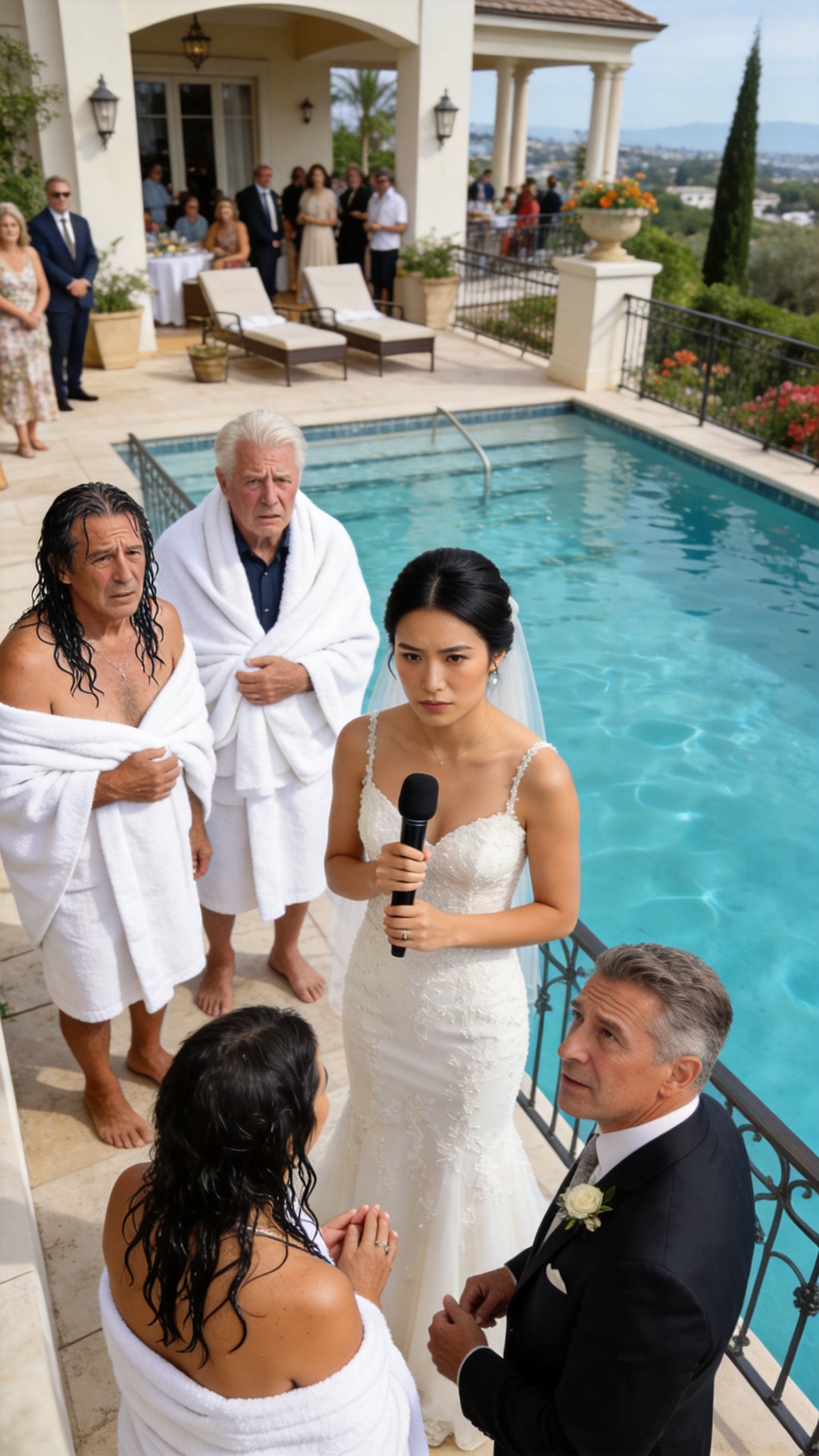
She stepped down from the altar, veil trailing behind her, and walked to the front pew where Arthur Cole stood rigid with rage.
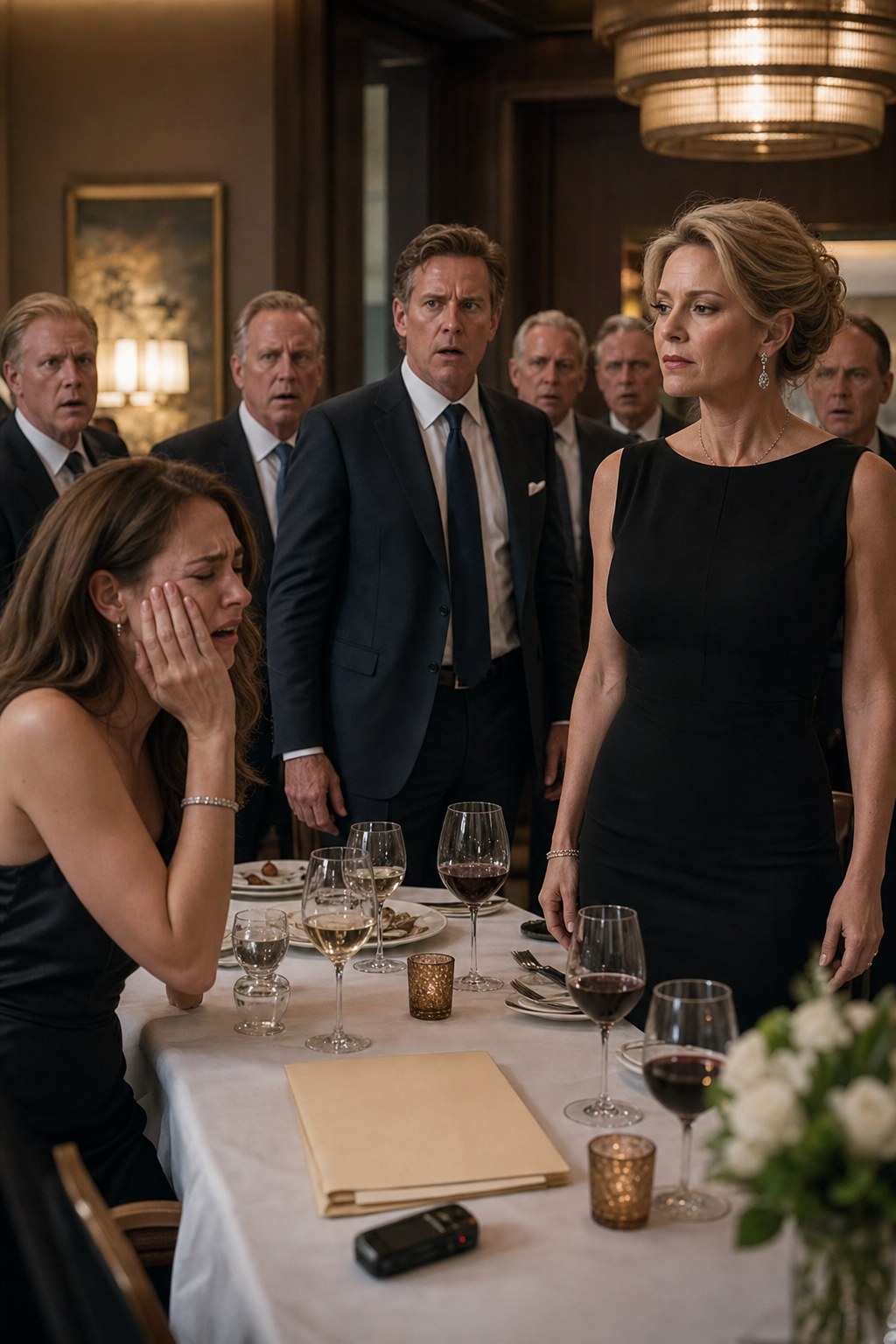
"Did you know my engagement was built on this?" she asked him.
Arthur looked at the guests before he looked at his daughter.
That answered her before his mouth did.
"You were protected from unnecessary details," he said.
Vivienne made a sound I had never heard from her.
It was not a sob.
It was the sound of a woman finding the door to the cage from the inside.
"Unnecessary?" she said.
"Lower your voice."
"You put me in a wedding dress while another woman was hidden in a clinic."
"I put you in a position to survive."
There it was.
The Cole version of love.
The Vale version of love.
Different china.
Same poison.
Vivienne turned toward me.
"He told me she had suffered a breakdown after the accident," she said. "He said your mother was paying for care because Liora had no one. He said if I told you before the wedding, you would rush to her, the deal would collapse, and the clinic would discharge her without support."
My father said, "Vivienne, be careful."
She looked at him with sudden hatred.
"I have been careful my entire life."
Then she removed her engagement ring.
It hit the marble step with a tiny, clean sound.
No one picked it up.
My father tried a different approach.
He turned to the guests.
"Ladies and gentlemen, what you are witnessing is a private family medical matter being distorted in an emotional moment. We ask for your discretion."
Discretion.
That holy word of powerful people.
It meant hide the wound so the tablecloth stays white.
It meant forgive the lie if the lie wore cuff links.
It meant everyone in that church was being invited to become part of the cover-up.
For a second, I saw some of them consider it.
Not because they believed him.
Because they knew what it cost to be outside our family's favor.
Then Noah stepped into the aisle with his too-long sleeve hanging over his fingers and said, "My aunt said bad people sound calm when they are winning."
A few guests gasped.
Della put a hand over her mouth.
I looked at Noah and thought of Liora teaching a frightened child the only language she still trusted.
Simple words.
Sharp enough to survive.
My father's face hardened.
"Remove the child."
Thomas looked at me.
I shook my head.
Noah stayed.
That was the moment several things happened at once.
The society reporter sent the first clip out.
The photographer lowered his camera and backed up the memory card.
A bridesmaid called her brother, who worked in the attorney general's office.
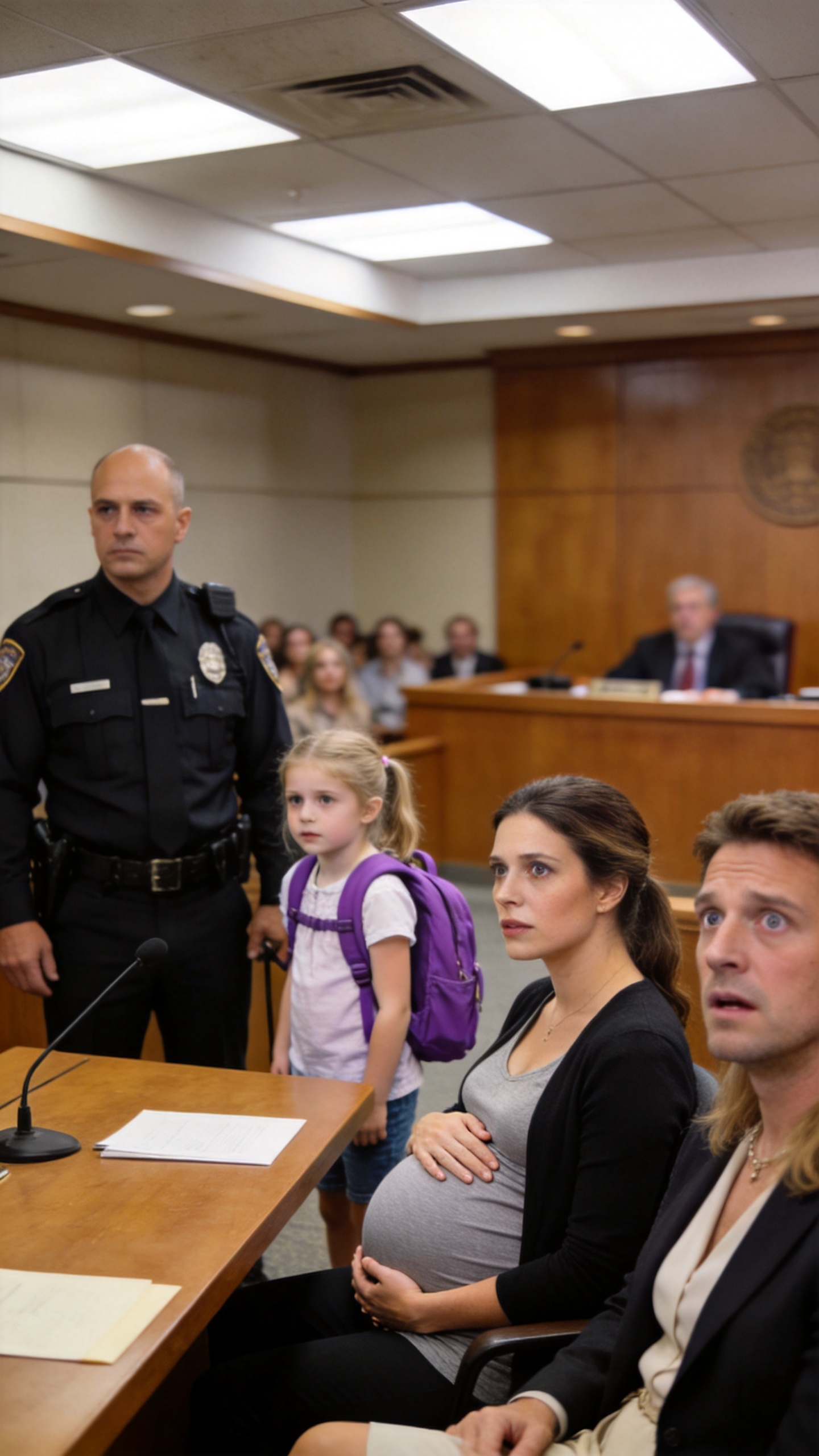
The priest told the altar server to bring the church ledger because, as he said very calmly, "If this building has become the location of a crime disclosure, we will record the timeline."
My mother stared at him as if faith had personally betrayed her.
I asked Della how she had found Noah.
She said Liora's younger sister, Mara, had died of pneumonia the previous winter after years of addiction and bad luck. Noah had been left with a neighbor in Tacoma. Liora heard a nurse mention a child services file during a phone call and began repeating Mara's name until the staff sedated her.
Della had been visiting under a false name by then.
She could not get Liora out.
But she could listen.
She could collect receipts from trash bins.
She could photograph envelopes left on desks.
She could follow a transport van from Sunrise House to Harbor Crest Recovery in the rain.
She could find Noah.
And when Liora started remembering the bracelet, the north gate, and the sentence she used to say every dawn, Della understood the wedding date had become a deadline.
"They moved her yesterday," Della said.
The words hit me cold.
"Yesterday?"
She nodded.
"A nurse called me from a blocked number. Said the family had ordered a final transfer after the ceremony. Out of state. Different name. No visitors."
My father closed his eyes.
One second.
That was all.
But I saw it.
So did Calder.
So did my mother.
They had planned to vanish Liora again after I said the vows.
Not next month.
Not when the merger settled.
That day.
While guests ate cake in the ballroom and my mother danced under flowers, the woman whose bracelet I held would have been driven across a state line under a false name.
I looked at Vivienne.
She was crying openly now.
"I am sorry," she said.
I believed her.
It did not make her innocent.
But it made her human.
And in that church, human was already more than my family had managed.
I Did Not Say I Do
I handed the hospital bracelet to the priest.
"Father, keep that safe."
Then I turned to the videographer.
"Keep filming."
My mother stepped into the aisle.
"Rowan Vale, if you do this, you are finished."
I almost laughed.
Finished was standing at an altar built over a grave that had never held the woman I loved.
Finished was three years of being told grief had made me weak while my family used my mourning as a business strategy.
Finished was wearing a wedding suit chosen by people who believed a son could be managed like an asset.
"No," I said. "I am just starting."
I asked Thomas to call the police.
Not my father's private counsel.
Not the family crisis team.
Police.
Then I asked the church secretary for a landline and called Harbor Crest Recovery myself.
My father told me I was making a mistake.
My mother told me Liora had chosen quiet.
Calder told me the board would remove me by morning.
Vivienne stood in her wedding dress and wept without asking me to comfort her.
That was the first honest thing she did all day.
When the clinic administrator came on the phone, I said my name, then gave the six numbers from Liora's note.
The man on the other end went silent.
"Is she there?" I asked.
He said he could not discuss patient information.
"Then listen carefully," I said. "There are three hundred witnesses in a locked church, two cameras filming, one hospital bracelet in a priest's hand, and a child who delivered a message from a woman my family declared dead. If you move her before law enforcement arrives, every person who signed that transfer becomes part of this."
The administrator whispered, "She is safe."
I closed my eyes.
Not dead.
Not gone.
Safe was too small a word, but it was the first word in three years that gave me air.
"Put her on the phone," I said.
He refused.
I heard papers moving.
I heard someone cover the receiver and whisper.
Then a woman in the background said, very faintly, "Rowan?"
The sound went through me so violently that I gripped the edge of the church secretary's desk.
"Liora," I said.
The administrator came back too fast.
"Mr. Vale, the patient is medically fragile."
"You have three minutes before police hear that you are preventing contact with a patient whose legal status is now under active dispute."
He said nothing.
Then the line clicked.
Breathing.
Thin.
Frightened.
Alive.
"Rowan?" she said again.
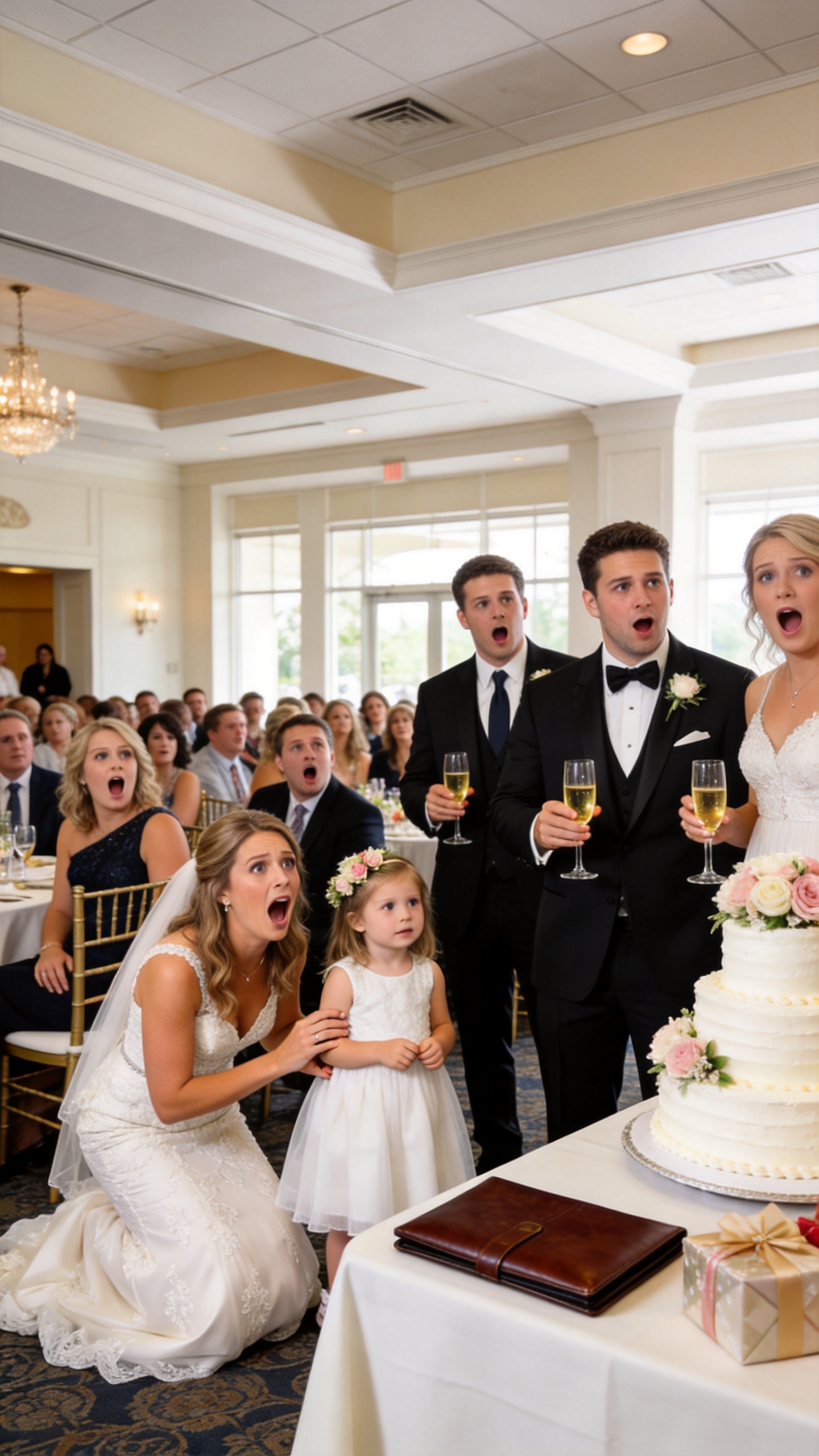
Behind me, through the open sacristy door, I heard the wedding guests begin murmuring like the sea coming in.
"I'm here," I said.
For a moment there was only breath.
"Did he make it?" she whispered.
"Noah made it."
She cried then.
Not loud.
Just one broken sound that made every year between us collapse.
"They said you forgot me," I told her.
"I forgot dates," she said. "I forgot rooms. I forgot nurses. I never forgot the gate."
My father appeared in the doorway.
He looked older than he had when the ceremony began.
"End the call," he said.
I turned the receiver outward just enough for him to hear her breathing.
"Tell her yourself."
He did not.
Men like my father could sign orders that ruined lives, but they hated the sound of a living consequence.
Liora whispered, "Do not let them move me."
"I won't."
"They said today was the last day."
"I know."
"Rowan, your mother has the blue folder."
My eyes lifted.
"What blue folder?"
My mother, still visible through the sacristy door, clutched her ivory bag tighter.
"The first report," Liora said. "The one from the night of the crash. The driver was not me."
The room tilted.
I had read the accident file a hundred times.
It said Liora lost control on a wet road.
It said no other vehicle was involved.
It said the body had been too damaged for viewing.
But I remembered one thing grief had buried under rage.
Liora hated driving in rain.
She would have pulled over.
She always pulled over.
"Who was driving?" I asked.
The line filled with a scuffle.
The administrator came back, breathless.
"This call is over."
Then he hung up.
I stood there with the dead receiver in my hand while the whole shape of the past changed again.
The bracelet had proved she was alive.
The call proved the accident had been staged.
And the blue folder, whatever it held, was now the thing my mother feared most.
Police arrived seventeen minutes later.
My mother tried to leave through the vestry and found Thomas standing there.
He did not touch her.
He only said, "Mr. Vale said no one leaves."
By sunset, the wedding had become evidence.
By midnight, Harbor Crest released Liora into protective medical custody after a state investigator found her transfer orders had been signed under false emergency status.
By morning, three board members called me privately and asked what I needed.
They did not ask my father.
That was how power changed hands in our family.
Not with a speech.
With people realizing the old fear no longer paid.
The blue folder came from my mother's bag at 6:42 that evening.
She did not hand it over willingly.
She claimed it contained prayer cards.
Then she claimed it was privileged.
Then, when the detective told her a warrant could be requested while she remained in the church office, she said she had never seen it before.
All three lies took less than a minute.
Inside was the original crash assessment from a private reconstruction firm.
There had been another vehicle.
A black town car registered to a Vale Meridian subsidiary had struck Liora's sedan near the north road and pushed it down the embankment. The driver had been paid in cash two days later and moved to a security job in Dubai.
The private firm had recommended immediate disclosure to police.
My father had written one word across the recommendation.
Delay.
Below it, my mother had written:
If she wakes, isolate.
Calder's initials sat in the lower corner beside a note about market exposure.
I read those lines in the church office while my wedding flowers wilted in the sanctuary and my bride sat in a choir robe because she could not bear to remain in white.
No one spoke.
There are moments too large for shouting.
The detective photographed every page.
The state investigator, a woman named Marisol Keene, arrived before midnight with a face that suggested she had seen money do many things and was no longer surprised by any of them.
She interviewed Noah first with a child advocate present.
Then Della.
Then Vivienne.
Then me.
My family asked for attorneys.
That was their right.
It was also the first honest request they had made all day.
By dawn, the news vans were outside the church.
Not because I called them.
Because my mother had spent thirty years making sure every important event in our family was newsworthy.
For once, the cameras stayed after the flower arrangements came down.
The board met at eight.
Calder tried to preside.
Three directors refused to sit while he remained in the room.
Arthur Cole's merger counsel demanded a delay.
The directors voted instead to suspend all Vale family voting privileges pending investigation into patient concealment, fraud, and obstruction.
My father called me from his lawyer's phone and said, "You do not understand what you have unleashed."
I looked through the hospital window at Liora sleeping for the first time without a guard outside her door.
"I understand exactly what was unleashed," I said. "It just was not me."
I saw Liora two days later.
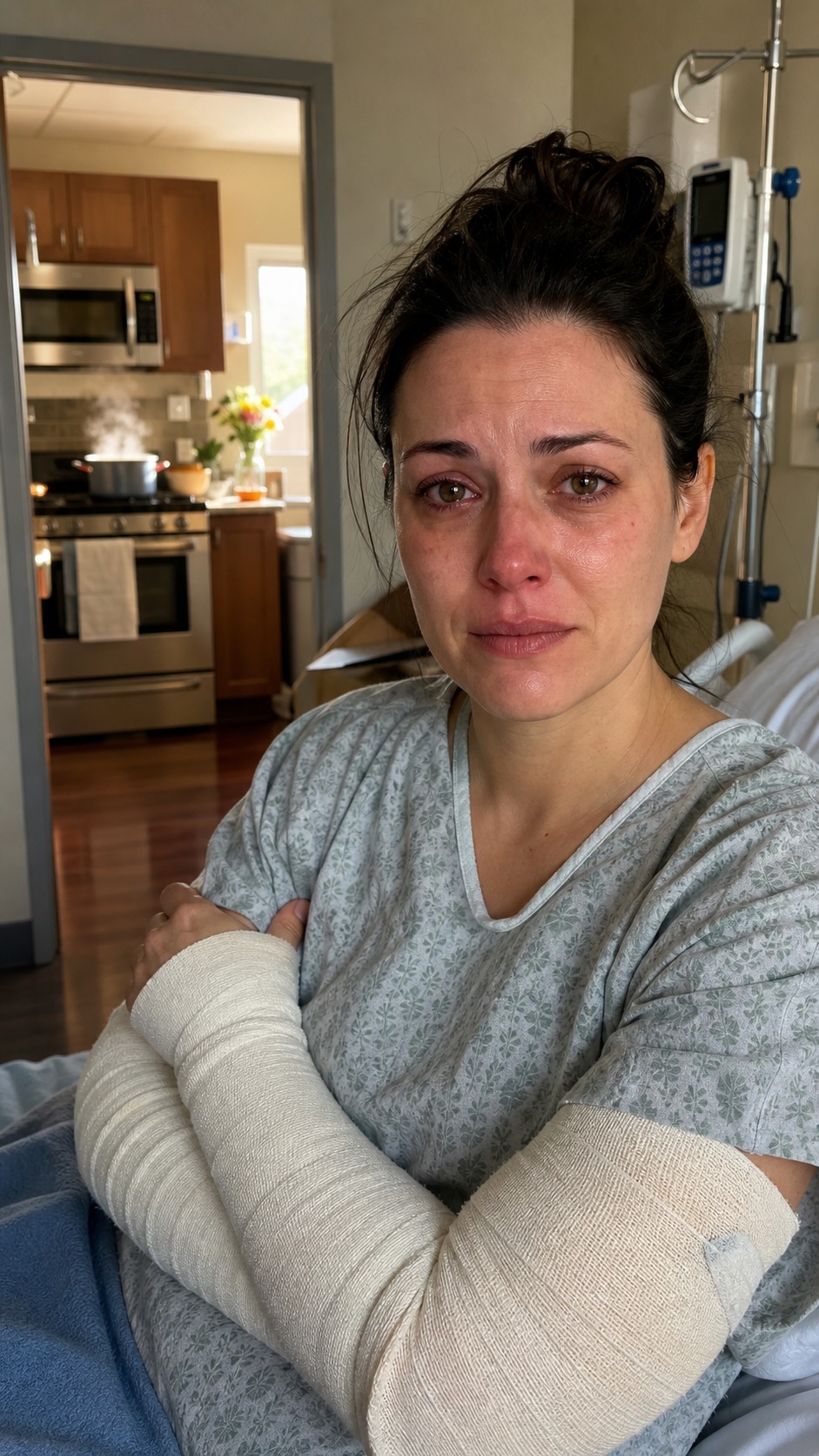
She was sitting by a hospital window with a blanket over her knees, hair shorter than before, face thinner, one hand resting on the sill as if she still did not trust open doors.
Noah ran to her first.
She held him and cried without sound.
Then she looked over his shoulder and saw me.
For one second, I was back at the north gate.
Before the crash.
Before the coffin.
Before my family taught me that grief could be staged.
"Rowan," she said.
My name broke in her mouth.
I crossed the room slowly because I did not know what pain still lived in her body.
When I reached her, she lifted her wrist.
The bracelet was gone, of course.
It was still sealed in evidence.
But the pale mark where it had rested for years remained.
"I tried to remember the whole sentence," she whispered.
I sat beside her.
"You remembered enough."
Weeks later, my father resigned from Vale Meridian "for health reasons."
My mother called me once from her attorney's office and said I had destroyed the family.
I told her the family had been destroyed the moment she decided a living woman was less useful than a dead one.
Vivienne testified.
Not perfectly.
Not bravely at first.
But she testified.
Her father lost his shipping contracts anyway.
Noah came to live with Della while Liora recovered. Every Sunday, I drove to see them both. Some days Liora remembered everything. Some days she asked the same question twice and apologized until I told her there was nothing in that room that needed her apology.
The bracelet came back six months later in a sealed evidence envelope.
The silver was darker.
The clasp was still broken.
I did not fix it.
Neither did Liora.
The trial did not give us the clean ending people imagine.
My father pleaded to conspiracy and obstruction before the worst details could be read in court.
My mother fought longer.
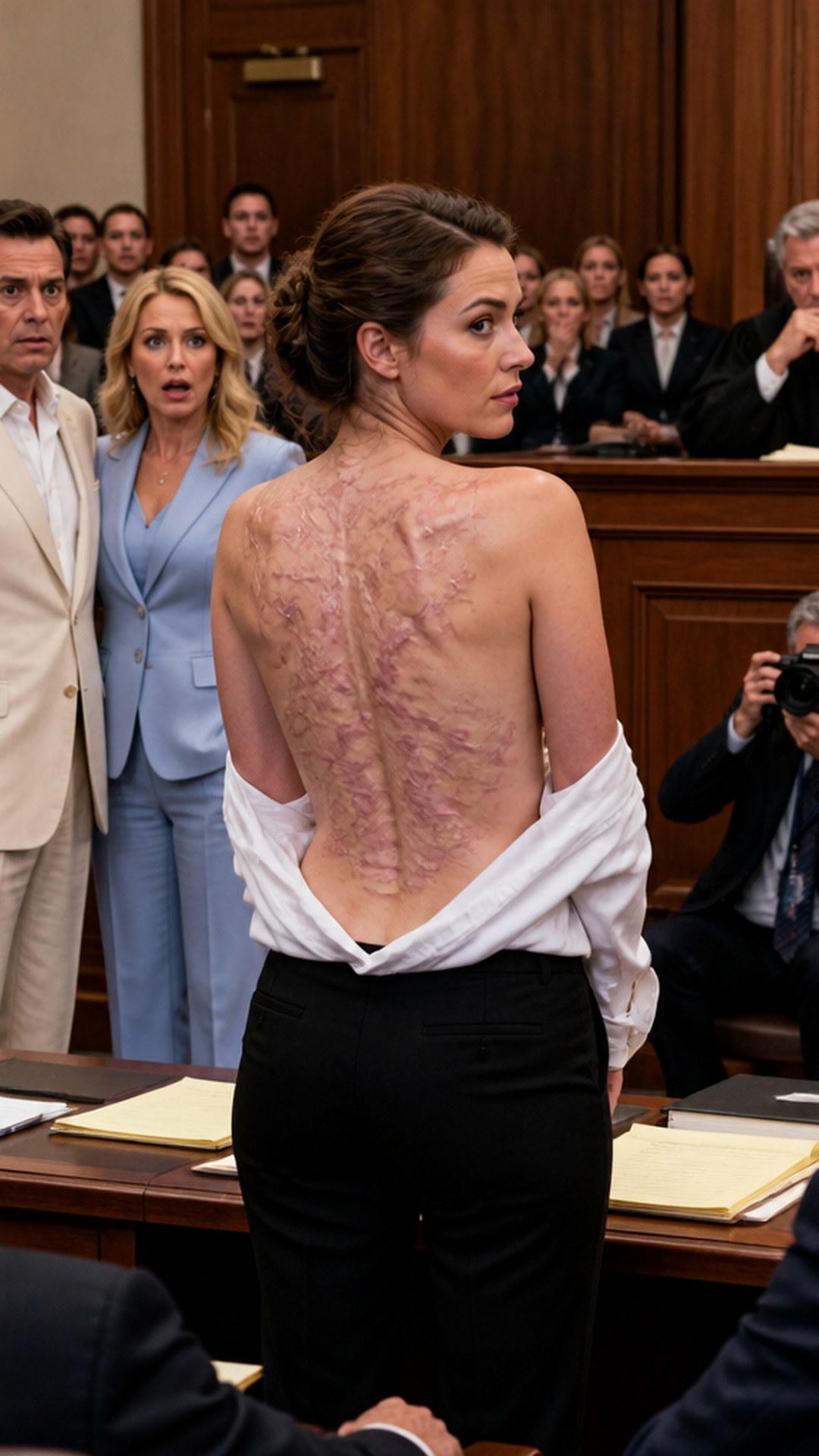
She sat through hearings in pale suits and let her attorneys call Liora confused, suggestible, compromised.
Then the recording played.
Then the visitor logs appeared.
Then Noah, older by then but still small enough that his feet did not touch the courtroom floor, told the judge, "My aunt said the sun always comes up even if bad people close the curtains."
The room went still.
My mother looked away first.
That was the only apology she ever gave.
Vivienne left her father's house and started over quietly in another city. Once, a year later, she sent Liora a letter. Liora read it twice, then put it in a drawer. Forgiveness, she told me, was not a performance we owed anyone on a deadline.
Della bought a yellow cottage two streets from the school Noah wanted to attend. She said she had spent enough of her life living in other people's houses.
I stepped down from the company after the investigation ended.
People called it dramatic.
It was not.
It was practical.
I had spent my whole life inside rooms built to make cruelty look strategic.
I wanted rooms where no one needed a locked door to tell the truth.
We hung it in a small frame beside a photograph of the north gate at sunrise.
People ask why I kept a broken bracelet on the wall.
I tell them it is not broken.
It did exactly what it was made to do.
It found its way home before I gave my life to the people who had stolen hers.