I Won 46 Million Dollars In The Lottery And Told My Family I Had Lost My Job. At Lunch, My Father Said, "Don't Expect Us To Carry You," Until My Poor Aunt Slid Her Savings Into My Hand
"Then what are you going to do?"
I took a deep breath.
"I'm going to show them what they look like when they think I'm no longer useful."
The doorbell rang. My family had arrived dressed as if they were coming to judge me. They had no idea that, that afternoon, I was not going to ask for help. I was going to strip away their victim act.
Hello, dear readers! If you are ready to read the final part, let me know in the comments section, and I will send it right away. May God always grant you health and happiness!
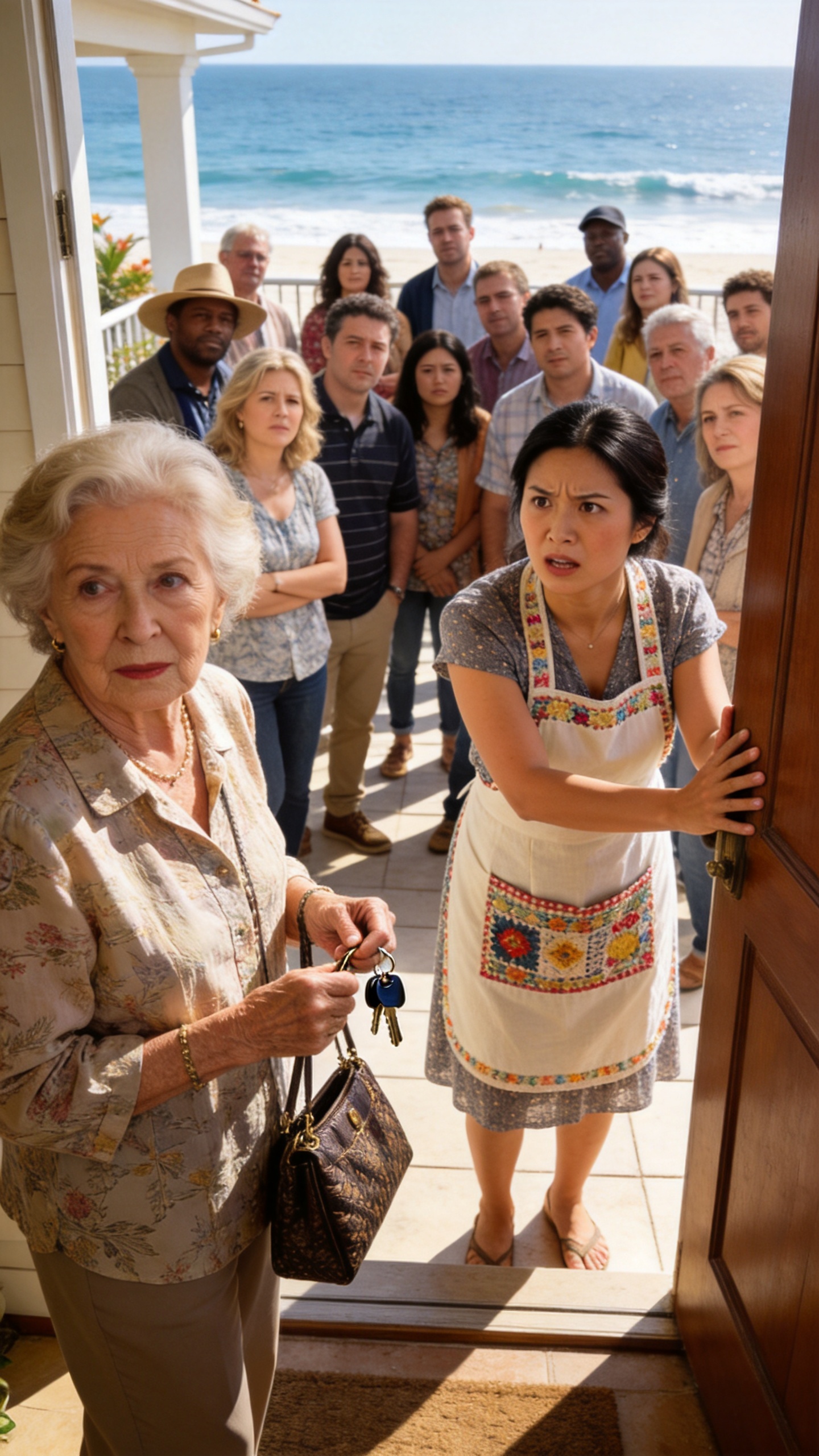
My living room had never contained so many people who believed they mattered more than everyone else. My mother Helen came with Paul and an expensive bag I did not recognize. My father Victor arrived with Beatrice, his wife, who greeted me while looking around my apartment as though she were pricing every item of furniture. Elise walked in with her surgeon husband and a face full of fake patience. Garrett came late, smelling like cigarettes and cheap cologne. Aunt Marjorie sat down without removing her sunglasses. Ruth stood quietly near the window, her empty envelope tucked inside her bag.
"Well, Maddie," my mother said. "We're worried about you. Have you found something stable yet?"
"Yes," I answered. "I found clarity."
Garrett laughed.
"That doesn't pay rent."
"Funny, coming from you."
I opened the folder and laid the first sheet on the table: every transfer I had made across ten years. 418,600 dollars. I had not counted gifts, dinners, or minor emergencies. Only direct money. My father picked up the page and frowned.
"What is this?"
"A reminder. Garrett, 35,000 for a business that never existed. Elise, 42,000 for your wedding. Mom, 28,000 for 'medicine' that lined up perfectly with your trip to Savannah. Dad, 22,000 for the roof, one month before your vacation in Miami."
The room went silent. Elise folded her arms.
"How tacky, bringing accounts into a family meeting."
"What was tackier was asking me for money and then calling me a burden the moment you believed I needed help."
My mother's face flushed red.
"I never said that."
I projected the screenshot from the family group onto the television. Her words appeared enormous on the screen: "She does need to learn that we won't always rescue her."
Paul lowered his gaze. Beatrice pretended to fix her necklace. Garrett got to his feet.
"You were spying on us?"
"No. You were talking in a group where my number was still there."
My father drummed his fingers against the table.
"You invented a crisis to manipulate us."
"I invented a small crisis. You revealed a very large truth."
Then Ruth spoke for the first time.
"I gave her money."
Everyone turned toward her. Aunt Marjorie gave a dry laugh.
"You don't even have enough money to fix your car."
"Exactly," Ruth said. "And I still gave what I could."
My mother placed one hand over her chest in a dramatic gesture.
"Ruth, you shouldn't have gotten involved."
"I got involved because someone had to love her without using a calculator."
The silence that came after that was louder than shouting. Elise tried to move the conversation elsewhere.
The Money Did Not Change Them. It Revealed Them
"Well, if you already have a job, then I don't understand the point of this little show."
That was the moment. Not the moment to tell them everything, but the moment to close the right door.
"I got a new position," I said. "I'm going to run a foundation."
My father lifted one eyebrow.
"A foundation? With what money?"
"With money from investors who actually believe in me."
It was not a lie. My trust was the first investor. They did not need to know the rest.
I explained that there would be no more loans, no emergency credit cards, no payments disguised as help. If someone truly needed support, they could look for formal assistance instead of reaching for my guilt. Garrett scoffed.
"Look at you. You barely get back on your feet and suddenly you think you're rich."
Ruth pressed her lips together to hold back a smile. I answered evenly:
"I don't have to think I'm anything to stop being your ATM."
My mother began to cry. Before, that would have folded me in half. That day, I only recognized an old tactic.
"After everything I did for you," she said.
"You gave me life, Mom. Not a monthly debt."
The meeting ended with soft door slams, which are worse because they try to sound dignified. My family left without offering a single apology. Ruth stayed to help gather the cups.
"You did well," she told me.
"I didn't tell them."
"They had no right to know."
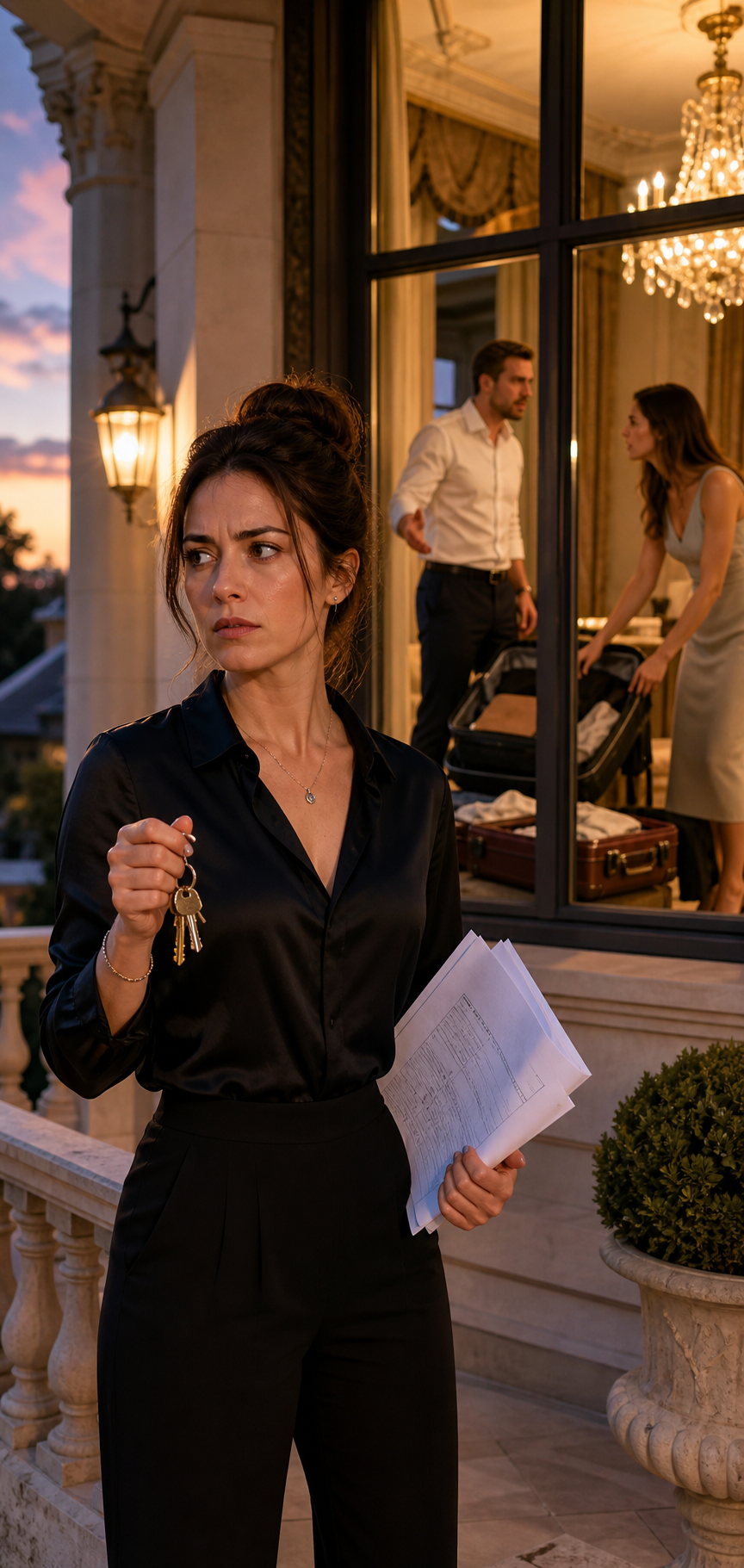
The months that followed were a strange blend of peace and dizziness. I left my job at the accounting firm, but I said it was because of the foundation. I bought a simple home in Maplewood with a garden and climbing flowers. Four blocks away, I bought another one for Ruth: a one-story house with wide hallways, sunlight in the kitchen, and a small room for her books. When I placed the keys in her hand, she cried with a tender kind of anger.
"You didn't have to do this."
"No. I wanted to."
"Then I accept it. Because I'm also learning how to receive."
That was the first happy ending that felt true.
The foundation was named Root House. We helped older adults living alone with medicine, home repairs, visits, and basic guidance. Nora left the hospital where she had been working impossible shifts and came on as coordinator. Ruth, now with her treatments paid for, led reading workshops three times a week. Within one year, we helped more than two hundred people across the city. My family believed I had found generous donors. They did not ask many questions. The truth was, they had never cared much about my life when they could not use it.
There were tests. My father had a heart scare, and I paid part of his hospital bill anonymously through a patient fund. Garrett finally entered treatment for gambling, and I helped him too without attaching my name to it. I did not do it because they had earned my love. I did it because I could finally help without allowing them to swallow me whole. That was my second freedom: realizing that boundaries did not make me cruel.
A year later, Root House hosted its first public dinner. Neighbors, retired teachers, doctors, volunteers, and families who truly understood gratitude attended. Ruth walked onto the small stage in a pale blue dress. She spoke about loneliness, dignity, and how sometimes people discover late in life who their real family has been all along. She did not expose my secret. She simply looked at me from behind the microphone.
"My niece taught me that money can buy walls, medicine, and good beds. But what turns a house into a home is loyalty."
They applauded. I cried without trying to hide it.
That night, when I arrived home, I found a message from Elise:
"I heard your foundation was featured in a magazine. If things are going so well for you, you could help me with the children's tuition. We're family."
I stared at the message for a long while. Then I typed:
"Family is also proven when there is nothing to ask for."
She did not reply.
Maybe one day they will learn about the lottery. Maybe they never will. Sometimes I picture their faces when they discover that the sister they lectured had 46,000,000 dollars hidden away and decided not to make it a prize for the people who looked down on her. But that fantasy never lasts very long. The real reward is not seeing them regret it. It is waking up without fearing the phone, without feeling as though every call arrives with an emotional invoice attached.
These days, I have breakfast with Ruth every Tuesday. We drink coffee in her garden, and she tells me stories about her students. Nora comes over on Fridays with wine and impossible plans for expanding the foundation. My house is full of light, not luxury. My life is full of people who do not know how much I have and stay anyway.
Winning the lottery gave me money. Pretending to lose everything gave me the truth. And the truth, even when it hurts, is the only wealth I will never hide from myself again.