In A Room Of Marble Floors And White Pearls, A Little Boy Grabbed A Glass From A Wealthy Woman's Hand. Everyone Called Him Rude Until The Thing Floating In Her Wine Proved He Had Saved Her
Something moved across her face then.
Not kindness yet.
Kindness would have been too easy.
It was humiliation.
The sudden knowledge that the person she had been ready to throw out had been the only one in the room paying attention.
The hotel manager tried to gather the broken glass.
Rosa stopped him.
"Do not touch that without a container," she said.
Her voice shook, but it carried.
A doctor seated three tables away stood up.
"She is right."
That changed the room faster than any apology could have.
Once a man in a tuxedo confirmed what a woman in an apron had said, people began pretending they had been concerned all along.
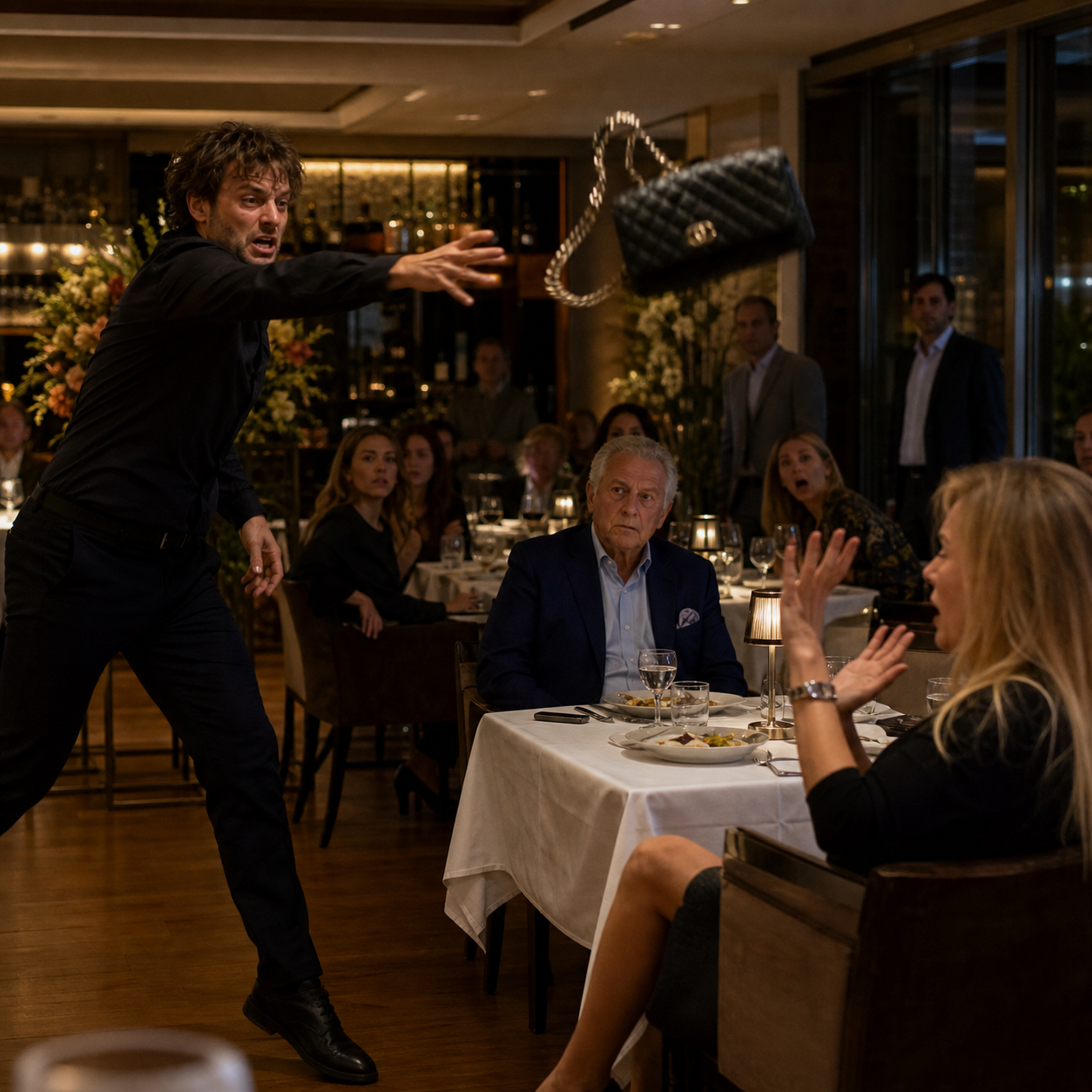
Chairs scraped.
Phones came out.
Someone whispered about calling pest control.
Eleanor still had not moved.
Owen wiped his nose on his sleeve.
"I did not want you to die," he said.
The sentence landed harder than the glass had.
The Apology Was Too Small For The Damage
Eleanor lowered herself into her chair.
For the first time that evening, she looked her age.
Not the polished age of portraits and gala programs.
The human kind.
The kind that remembers the body is fragile no matter how expensive the dress is.
"Come here," she said to Owen.
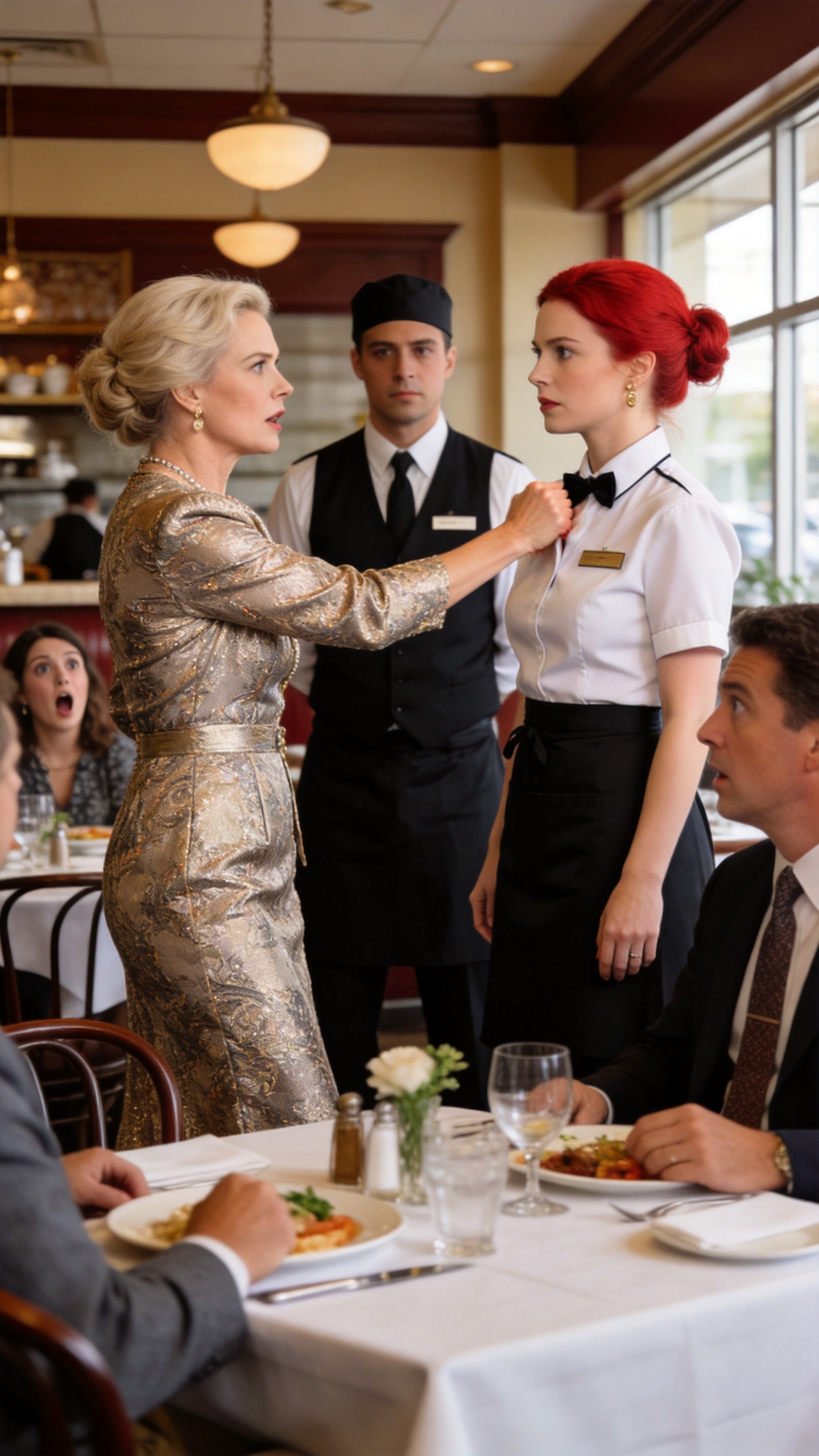
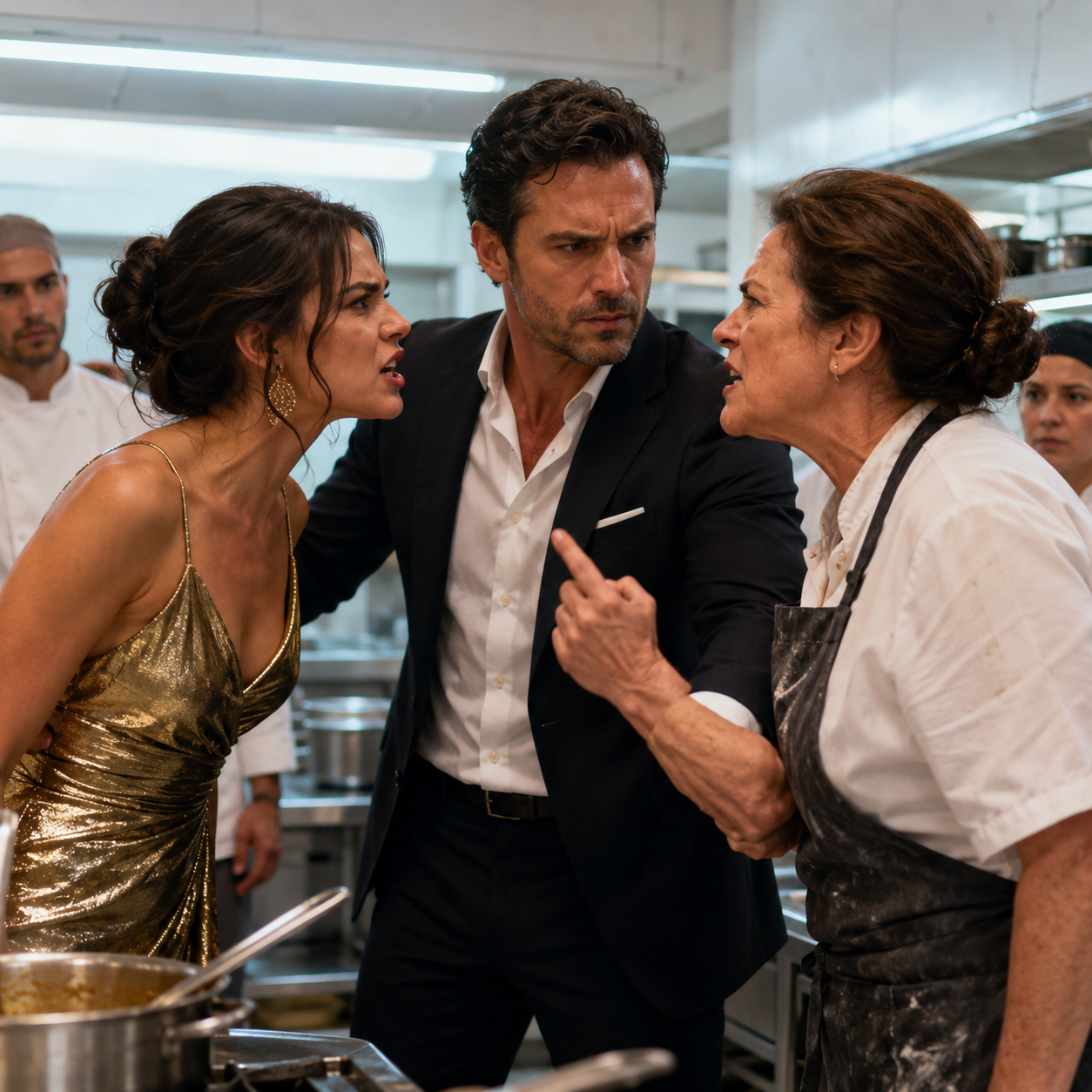
Rosa stepped in front of him.
Not rudely.
Protectively.
That small movement exposed the whole room.
They had made the boy dangerous with their suspicion.
His mother had made herself a shield because they had taught her she needed to.
Eleanor saw it.
Her eyes filled, but Rosa did not soften right away.
"He is a child," Rosa said. "You were going to let them drag him out."
The words were not loud.
They did not need to be.
Eleanor looked at the security guard, then at the guests, then at the ruined table.
"I was wrong."
Rosa waited.
Eleanor turned to Owen.
"I was wrong about you."
Owen stood very still.
"You scared me," he said.
That was the apology's real test.
Not whether Eleanor could say the correct words while everyone watched.
Whether she could bear hearing what her manners had done.
She nodded once.
"I know."
By Morning, Everyone Knew Who Had Manners
The dinner ended early.
The hotel sealed the kitchen deliveries.
The board issued a statement with careful words and no useful feeling.
But the guests remembered something simpler.
They remembered a boy in short sleeves moving faster than their pride.
They remembered his mother standing in an apron in front of millionaires and refusing to let them turn her son into a problem.
And they remembered Eleanor Vale, who built a reputation on etiquette, learning in public that manners without humility are only costume jewelry.
Two days later, Eleanor visited the kitchen.
No photographer.
No donor newsletter.
No speech.
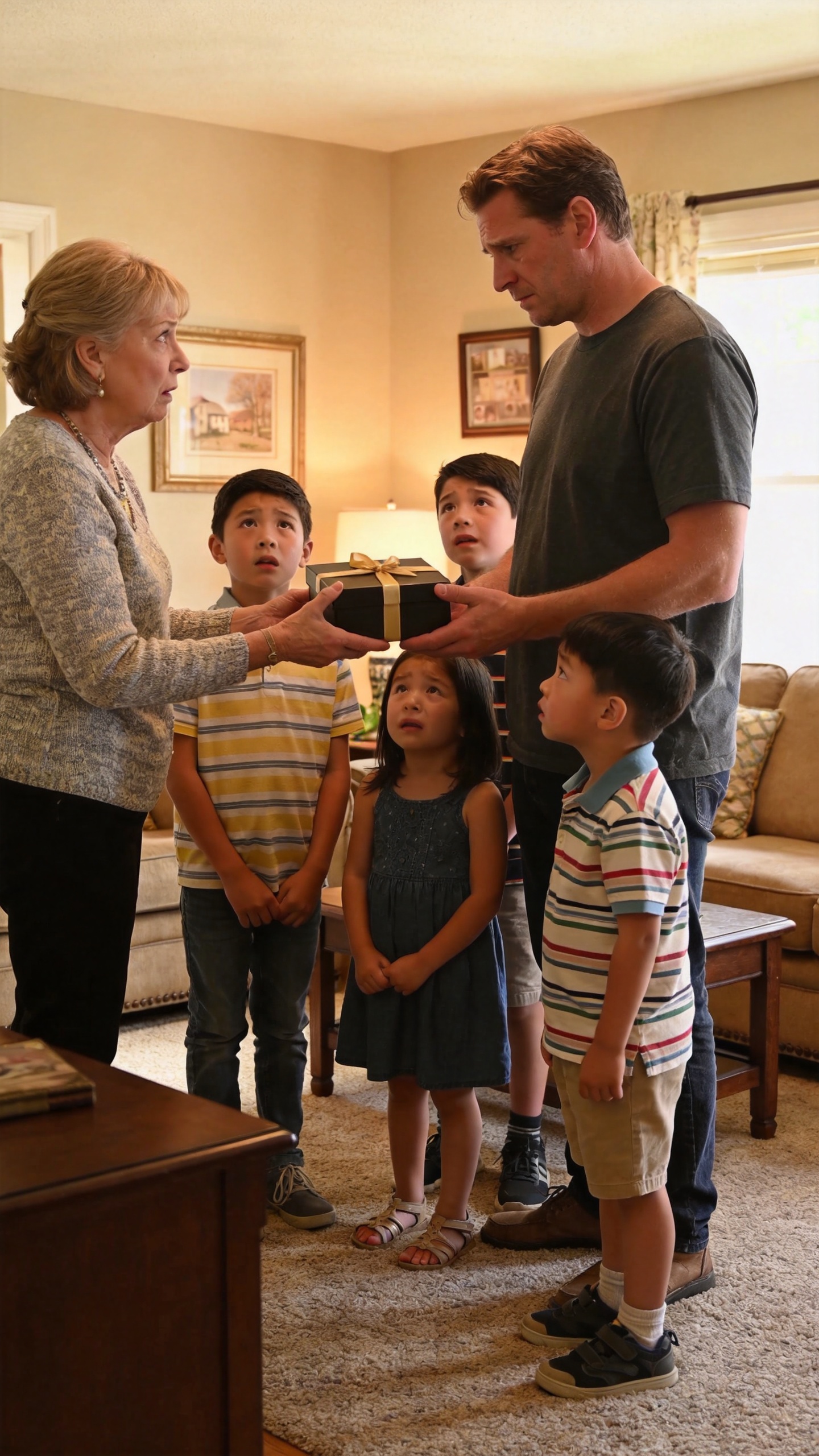
She found Rosa by the prep table and asked if Owen would accept a letter from her.
Rosa read it first.
Then she gave it to her son.
Owen kept the envelope in a shoebox under his bed, not because it came from a wealthy woman, but because the first line said what he had needed to hear.
You were not rude. You were brave.
Months later, the hospital wing opened with a new inspection fund attached to every food-service contract.
Eleanor paid for it.
Rosa helped write the rules.
Owen attended the ceremony in a jacket that fit.
When reporters asked what happened that night, Eleanor did not mention pearls or marble or broken crystal.
She looked at Owen and said, "A child saw what the rest of us were too proud to notice."
That was the first proper thing she said all year.